
LandBank offers loans for MSMEs’ climate adaptation projects

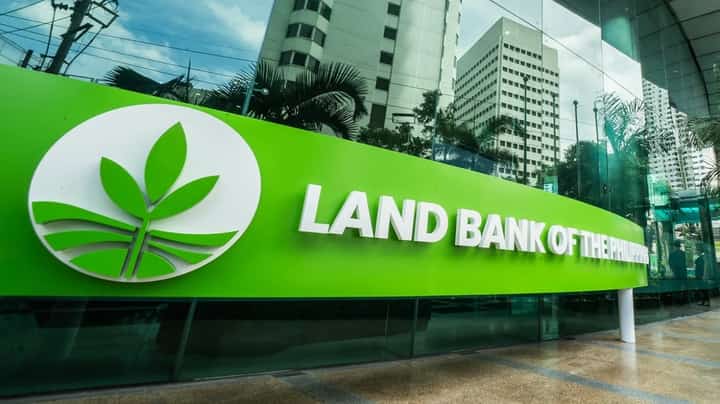
Land Bank of the Philippines (LandBank) said it can finance up to 80 percent for micro, small and medium enterprises (MSMEs) planning to undertake disaster risk management projects.
With its LandBank Climate SAFE (Special Adaptation Facility for the Ecosystem) Lending Program, the government-led banking institution provides financing for climate change adaptation projects as part of government efforts to “prioritize actions for mainstreaming adaptation and disaster risk management, aiming at improving community resilience to the hazards brought by climate change.”
This as the Philippines is one of the world’s most disaster-prone countries due to the high incidence of natural hazards and high vulnerability linked to poverty and environmental degradation.
LandBank said, undoubtedly, MSMEs are the most vulnerable in the private sector because they have very limited resources to engage in disaster risk management.
The LandBank Climate SAFE Lending Program is a nationwide credit initiative open to eligible private entities, whether single proprietorships, partnerships, corporations, cooperatives, or joint venture companies.
Some of the projects MSMEs can borrow for relate to water resource management, climate-proofing infrastructures, disaster risk reduction, climate-resilient agriculture, and greenhouse projects.
The bank said the loan can be used for project preparation, as working capital for daily operations, as permanent working capital for stable cash for year-round operations, as capital expenditures for long-term investment, and in crop, livestock, and fishery production.
The interest rate is the prevailing one offered by the bank at the time the loan is availed of, according to the LandBank’s official website.
Short-term loans are repayable within a year, while term loans can be repaid for up to 15 years, depending on the financed project.
For collateral requirements, borrowers may utilize any or a combination of the following: real estate mortgage; chattel mortgage; hold-out on deposits, government bonds, and securities; assignment of receivables or contracts; post-dated checks; pledge of shares; crop insurance cover and guarantee cover; and other collateral acceptable to the bank.
To apply for a Climate SAFE loan, the applicant must submit an accomplished application form along with the necessary documents such as registration certificate, valid certificates and permits, licenses or clearances; audited financial statements; proposed project details; collateral documents, and other documents the bank may ask for.