
Malaysia beyond KL: Malacca’s top 10
Just a couple of hours drive on impressive highways from the capital, Malacca felt like unhurriedly stepping into a slower pace, of once-upon-a-time Malaysia.


The first tour on our most recent Malaysia visit was not Kuala Lumpur as most visitors do, but Malacca — or Melaka, as locals and residents fondly call it. A most charming hub where it all began — where one breathes history and heritage, where tourists pleasantly discover customs and traditions, where transients immerse in their arts and culture.
Just a couple of hours drive on impressive highways from the capital, Malacca felt like unhurriedly stepping into a slower pace, of once-upon-a-time Malaysia. Well-preserved Portuguese ruins stood beside Dutch-inspired buildings. British influences lingered in beautiful still-functioning fountains and clocks on towers. Chinese shophouses were filled with take-me-home knickknacks and souvenirs and the unescapable aroma of roast chicken, duck, plus grilled seafood and laksa. It was undoubtedly an open-air museum!
Here are 10 sights which made Malacca memorable:
Ply the Malacca Riverside
If there is one area which defines Malacca best, it is the river. It gracefully snakes through the city like living postcards, lined with bustling cafés with global customers, intimate restaurants and several restored bridges bright enough to demand photographs worthy of an Instagram post. During the day, it is pleasant and relaxed, with locals and visitors moving at an easy cadence.
At night though, the river totally transforms itself. Hundreds of lights luminously reflect on the water, multicultural music drifts from packed bars, and the promenade turns theatrical. It becomes less of simply a sightseeing stop, and more of several joint stages with everyday performers, where we can watch the evening go by.
Explore the Red Dutch Square
Right at the center of old town is Red Dutch Square, better known for its colonial architecture and deep red buildings — it is impossible to miss! The square regally sits at the center of the UNESCO heritage district — just below St. Paul’s Hill — and is without a doubt Malacca’s most recognizable landmark. The old structures remain remarkably preserved, giving the area a true sense of admired continuity. Do not forget the nearby Tan Beng Swee Clock Tower and Queen Victoria’s Fountain, only two of several reminders that history is not limited to just one era in time.
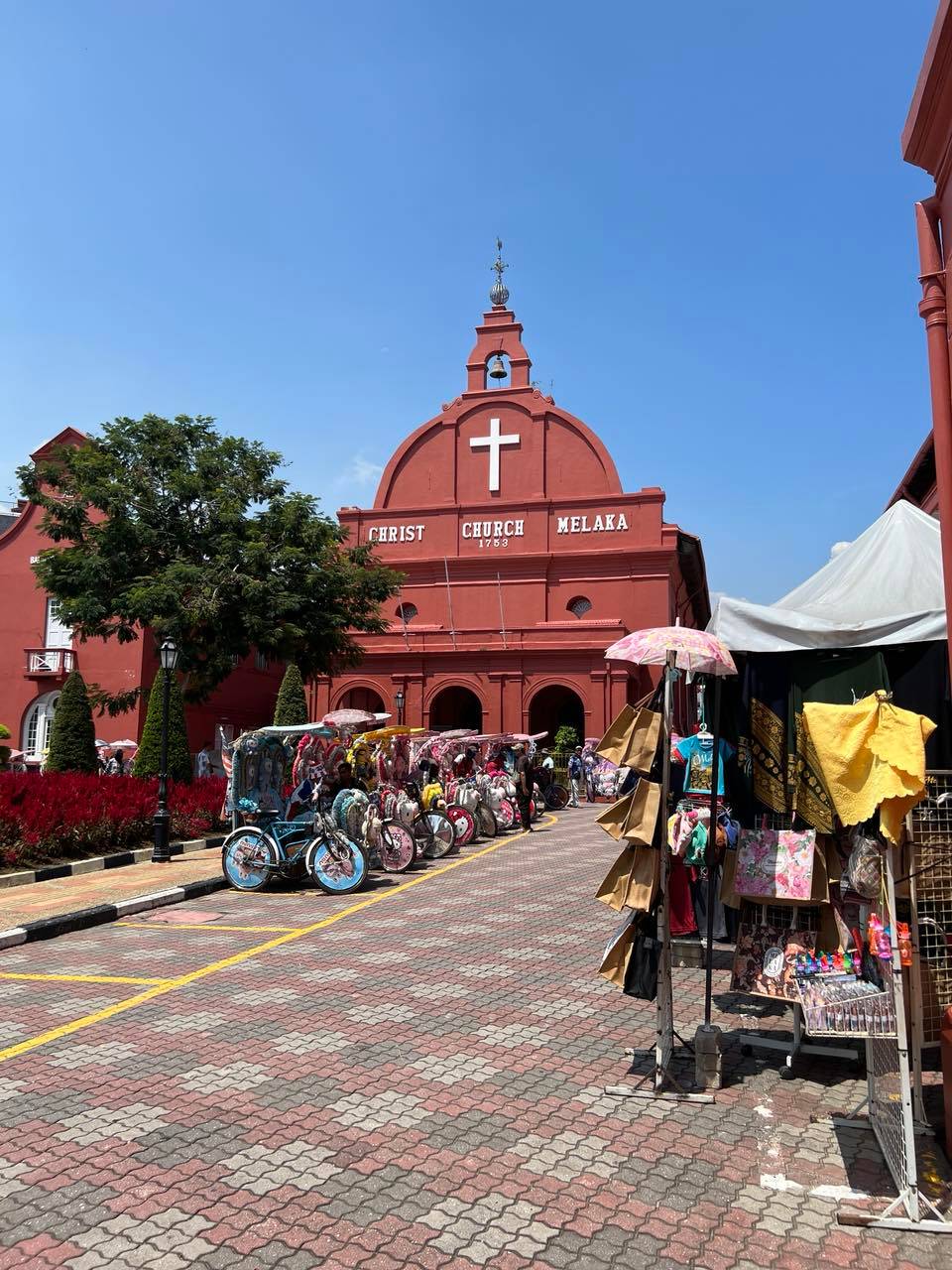
THE Red Dutch Square.
PHOTOGRAPHS BY EDU JARQUE FOR THE DAIY TRIBUNE
Sightsee at Menara Taming Sari Tower
For a wider 360-degree view, Menara Taming Sari Tower is the definite go-to. The slow-moving rotating observation skyline rises way above the cityscape. It may not be as famous as Kuala Lumpur’s Petronas Twin Towers, but at sunset, it delivers more than what it promises.
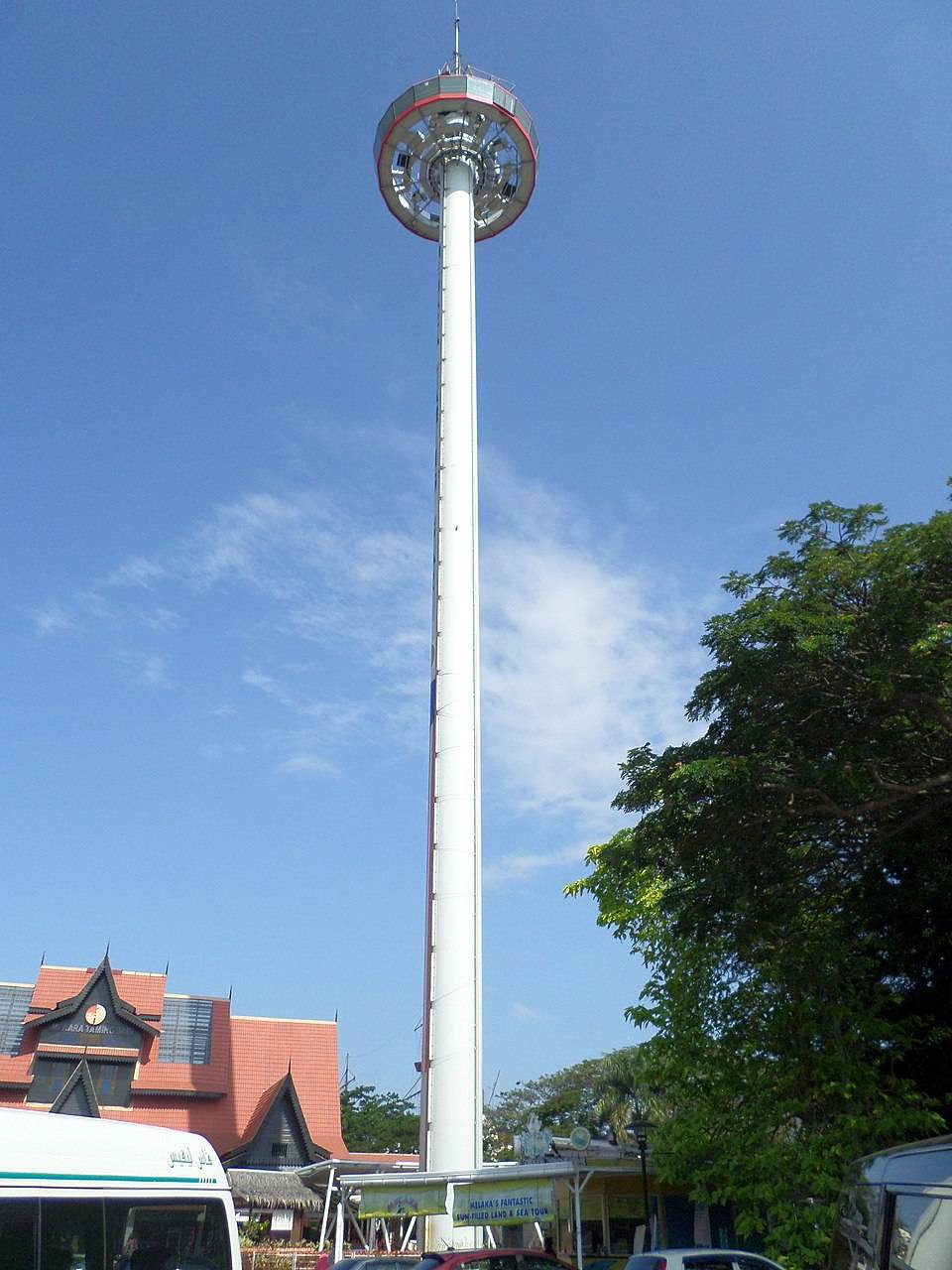
TAMING Sari Tower.
PHOTOGRAPH COURTESY OF Chongkian/CC BY-SA 4.0
Marvel at St. Paul’s Church
Above the ever-so-popular Red Dutch Square, after a short uphill walk, stand the ruins of St. Paul’s Church. Built in the 1500s, it remains one of the oldest European church structures in this part of Asia. Most of the roof is long gone. And what remains are weathered stone walls and old Portuguese tombstones carefully attended to with care. The unobstructed view from the hill alone truly makes the climb worthwhile. Looking out toward the Malacca River, it becomes easier to understand the reasons why so many colonial powers once fought for this piece of land.
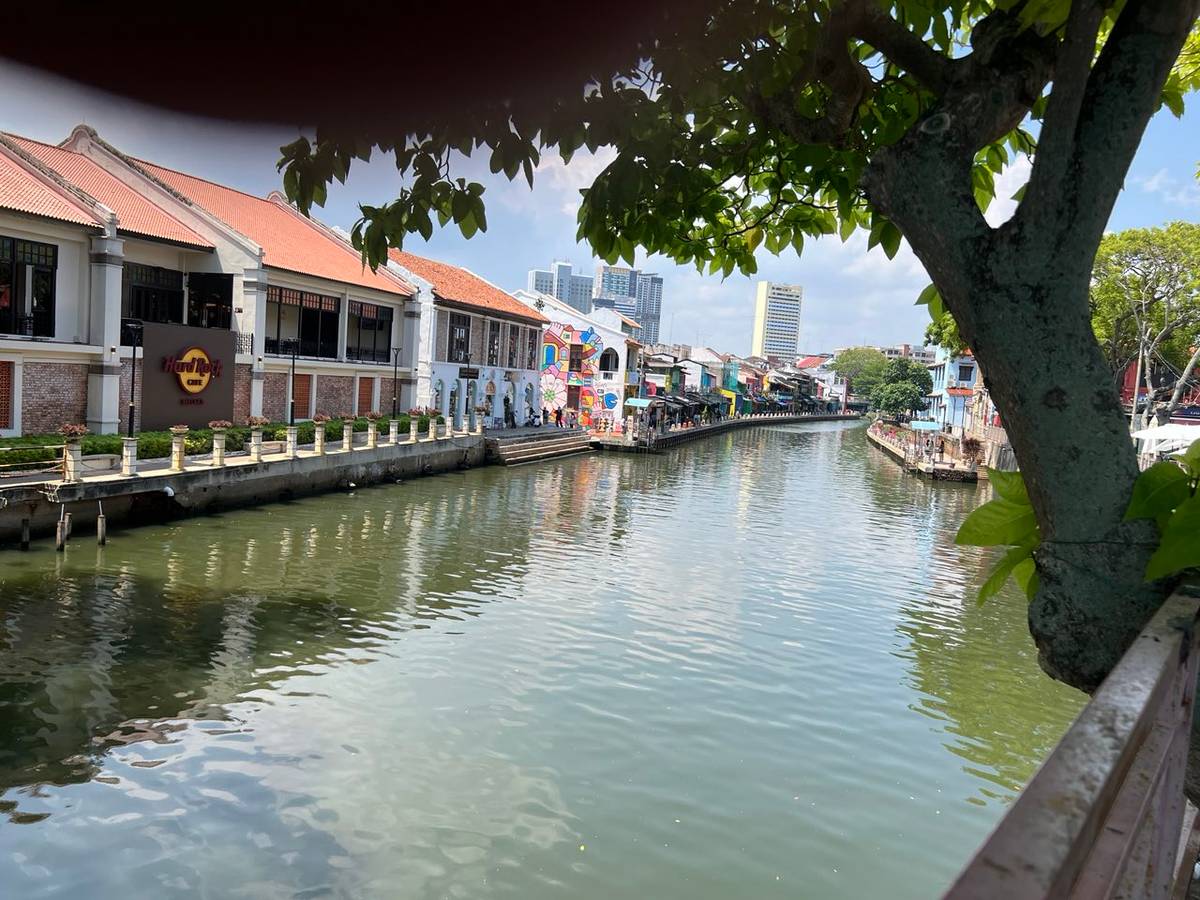
The Malacca Riverside.
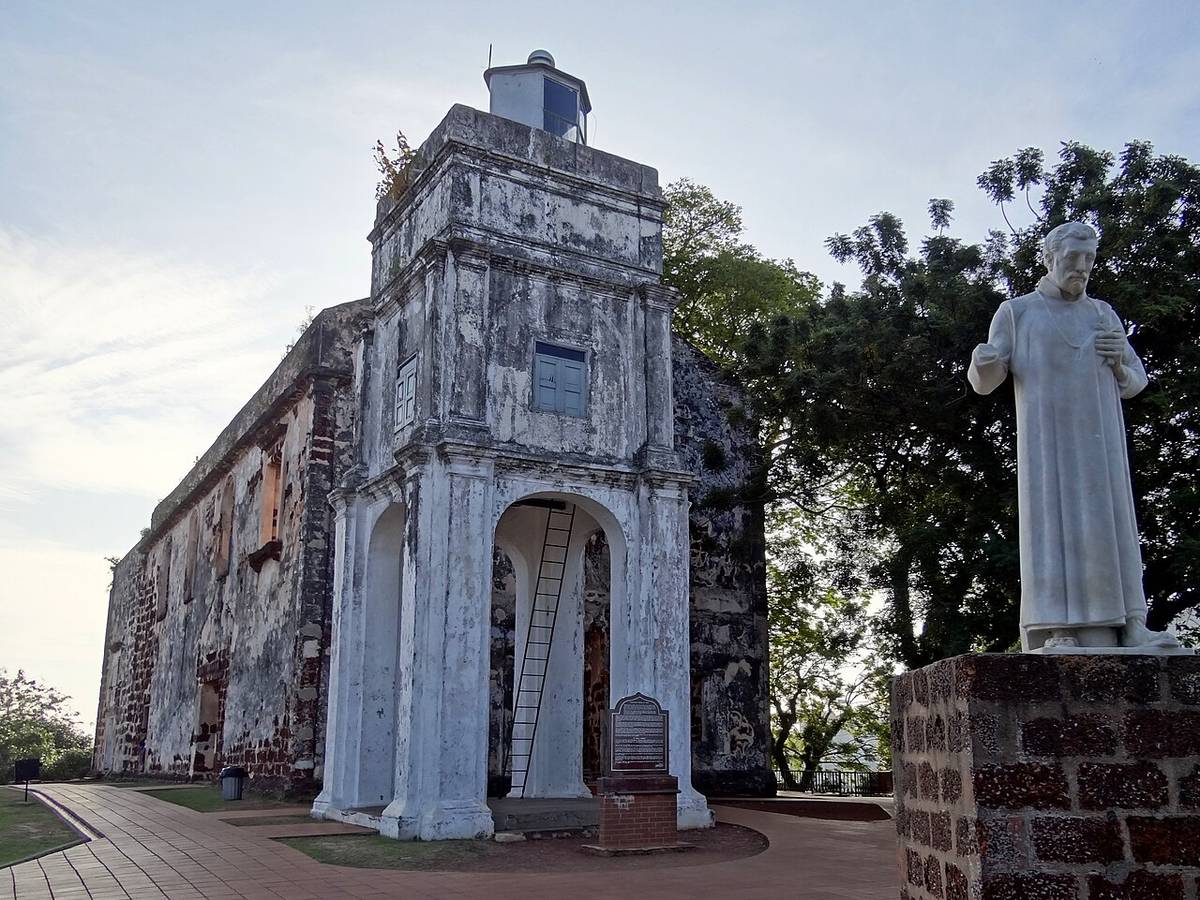
St. Paul’s Church.
PHOTOGRAPH COURTESY OF Bjørn Christian Tørrissen/CC BY-SA 3.0,
Peep into A Famosa
At the base of the hill is A Famosa, one of the most important physical remnants of Portuguese rule. What survives today is only a seemingly insignificant small gate. However, it once led to a fortress which dominated the region. Constructed under the leadership of Alfonso de Albuquerque, it was considered one of the strongest defensive complexes of its time.
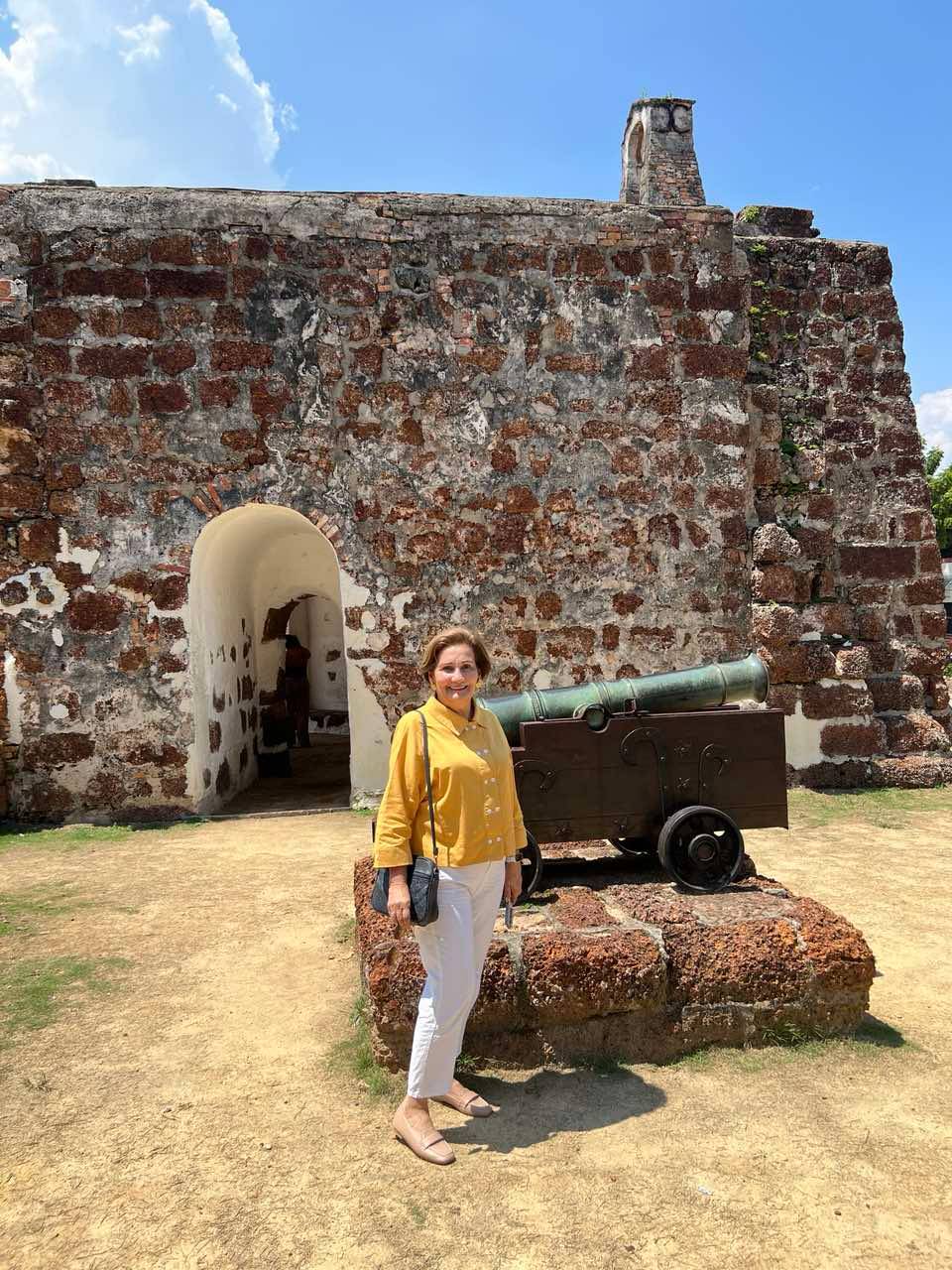
LIFESTYLE DAILY TRIBUNE columnist Honey Jarque Loop by the A Famosa.
Spot street art
Artistic murals surprisingly appear all across the old town in alleys, café vicinities and on the sides of some old buildings. Around Lorong Hang Jebat and let’s not forget the riverside, walls become canvases filled with portraits, animals, painted bicycles and playful hidden details. It readily turns ordinary paseos into a scavenger hunt — so always be on the lookout!

Artworks on the street by @melakagraffiti.
Ride colorful trishaws
Malacca’s trishaws deserve their own category! These are not quiet, ordinary pedaled vehicles. They are loud — make that very loud — and bursting with a rainbow of colors, overdecorated with stuffed toys, artificial gardens of varieties of flowers, blinking LED lights, and oversized speakers blasting pop songs from every imaginable genre. They reminded me of our subdued-in-everything tricycles back here in the Philippines, but with the showmanship of painted jeepneys.

Colorful trishaws.
Feast at hawker markets
The hawker centers are where the city feels most honest. Jonker Street Kopitiam, Lock Ten Food, Newton Food Court and the seafood stalls at the Portuguese Settlement all offer the kind of meals the locals consume on a daily basis and are not reserved only for tourists. Make certain you try out satay, wonton mee, fried Hokkien mee, and laksa!
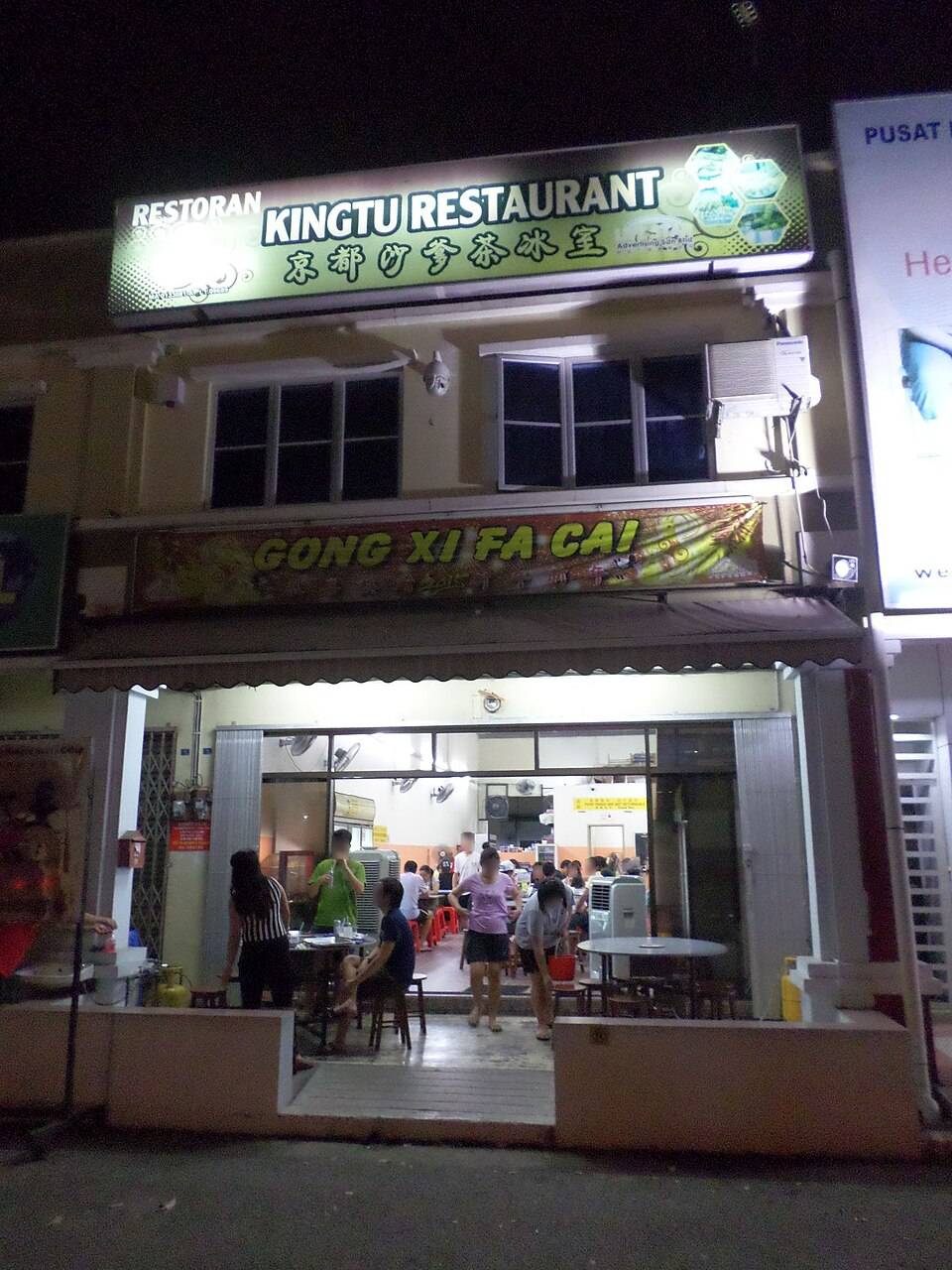
A Satay resto in Malacca.
PHOTOGRAPH COURTESY OF Chongkian /.CC BY-SA 4.0
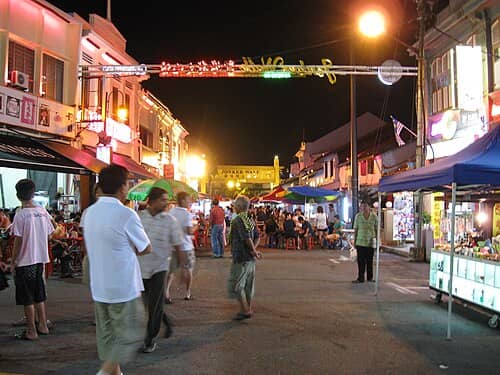
The Jonker Street Night Market.
Shop in the Jonker Street Night Market
Weekend in Malacca is synonymous with the night market. By early evening Friday until Sunday, the street closes to vehicular traffic and opens — as if through magic — to rows of food stalls, souvenir peddlers, while music blares in the air. Warm bodies multiply exponentially into crowds by the minute. It is busy in all the best ways one can imagine.
Contemplate at the St. Francis Xavier Church
For a quieter stop, there is the St. Francis Xavier Church. Established in the 19th century by the ardent French missionaries, it remains one of the largest Catholic churches in Malaysia. Its twin spires rise sharply above the surrounding streets. The mood is understandably calm. The marble high altar was deemed one of the most beautiful in the region and is still visible after renovation. We soon found out there are several versions of the legend behind the statue missing its right hand. We suggest you contact locals for their own varied tales.
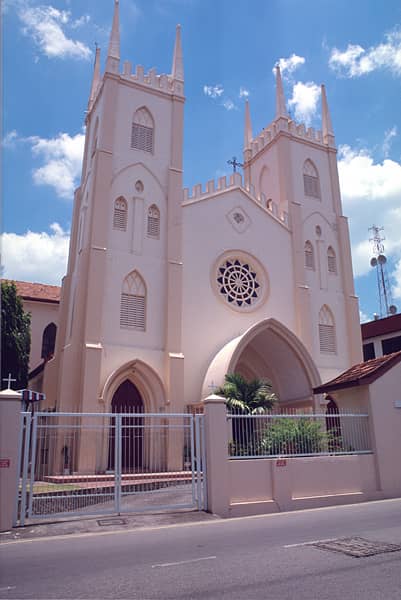
St. Francis Xavier Church.
PHOTOGRAPH COURTESY OF Iansmartyboy/ CC BY-SA 4.0