




Why Da Nang is more than just a gateway


Text size
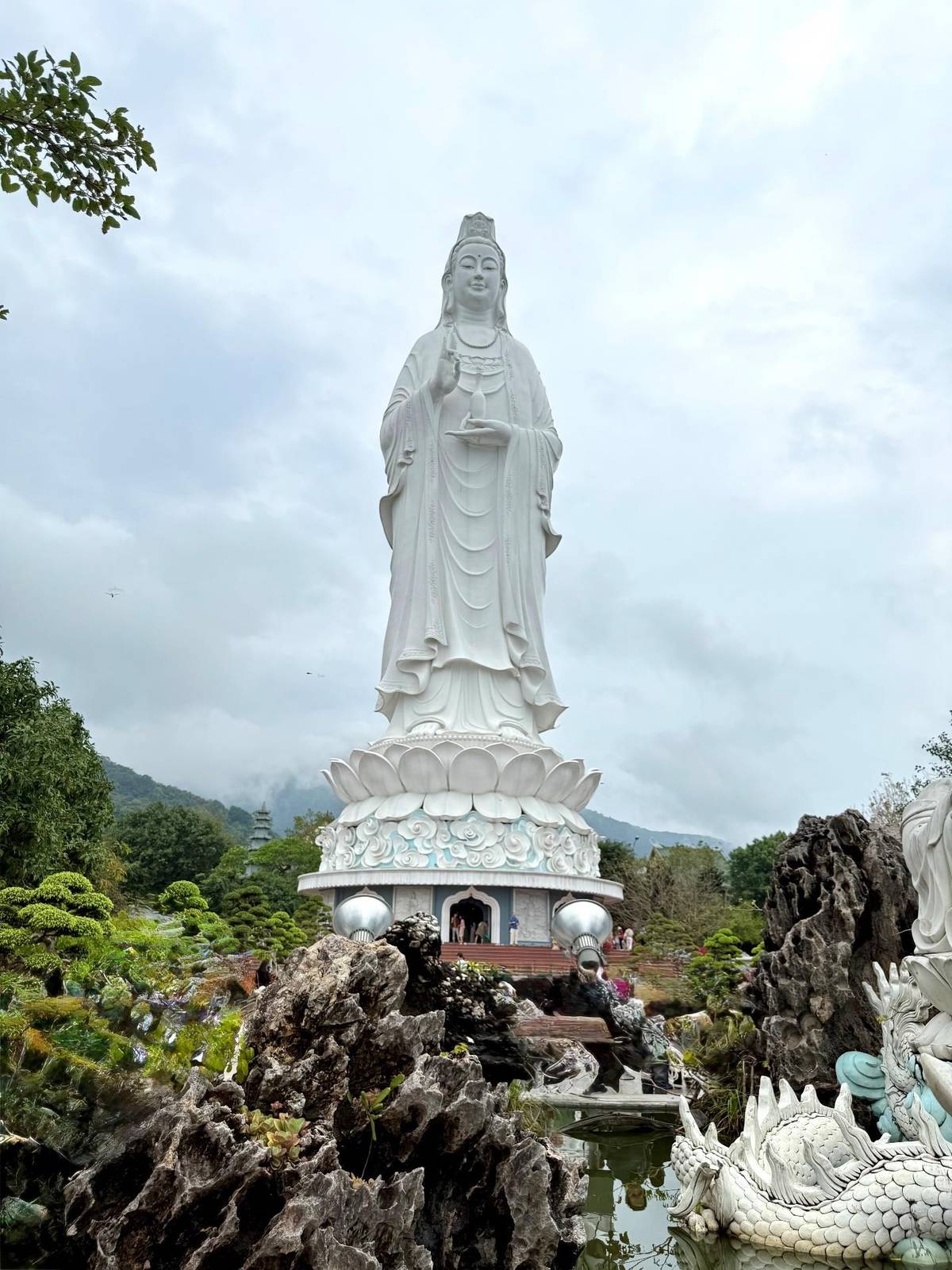
THE Lady Buddha at the Son Tra Peninsula.
Photographs courtesy of Edu Jarque
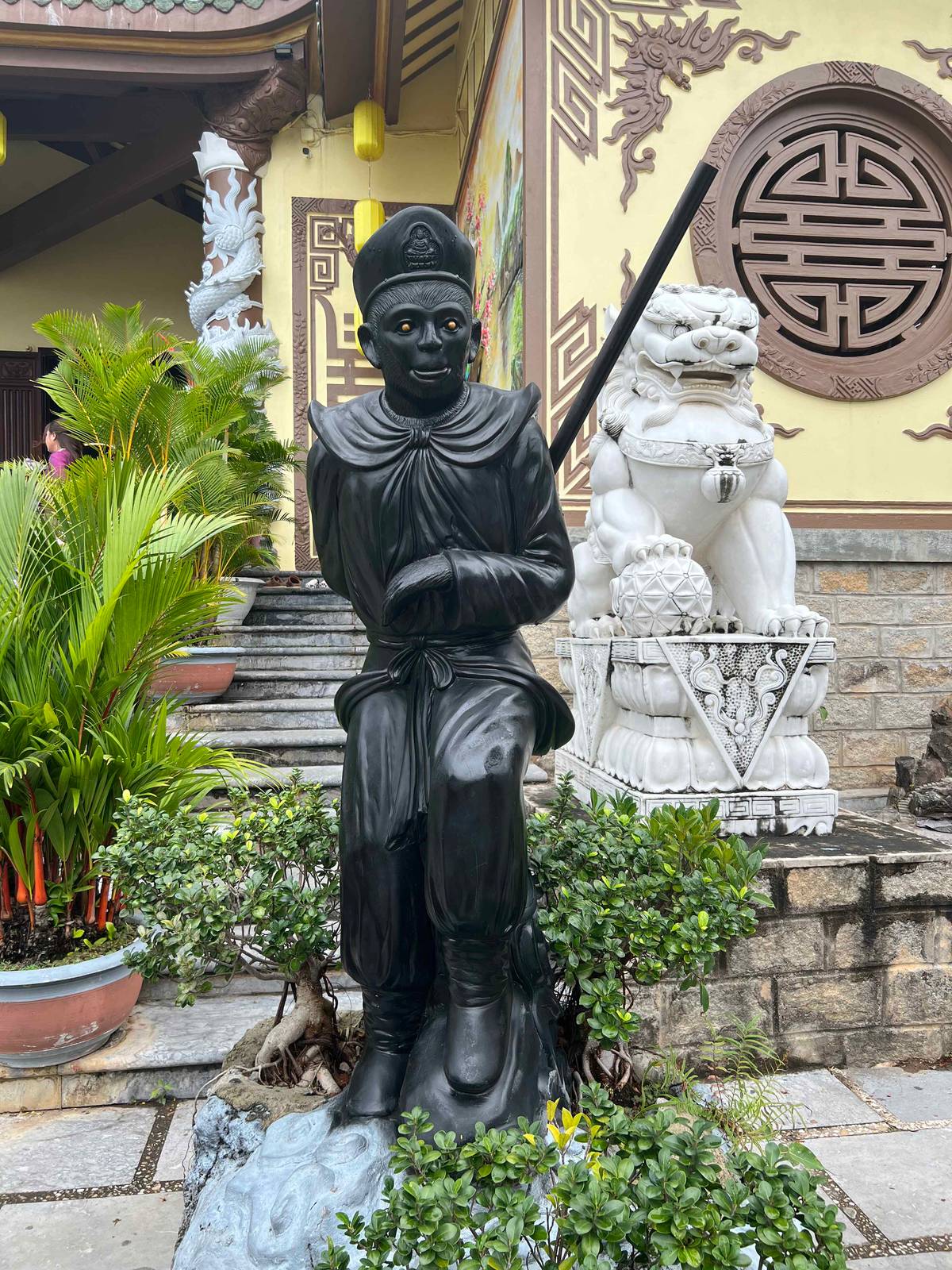
A dark statue of the legendary Sun Wukong in the Monkey Mountain.
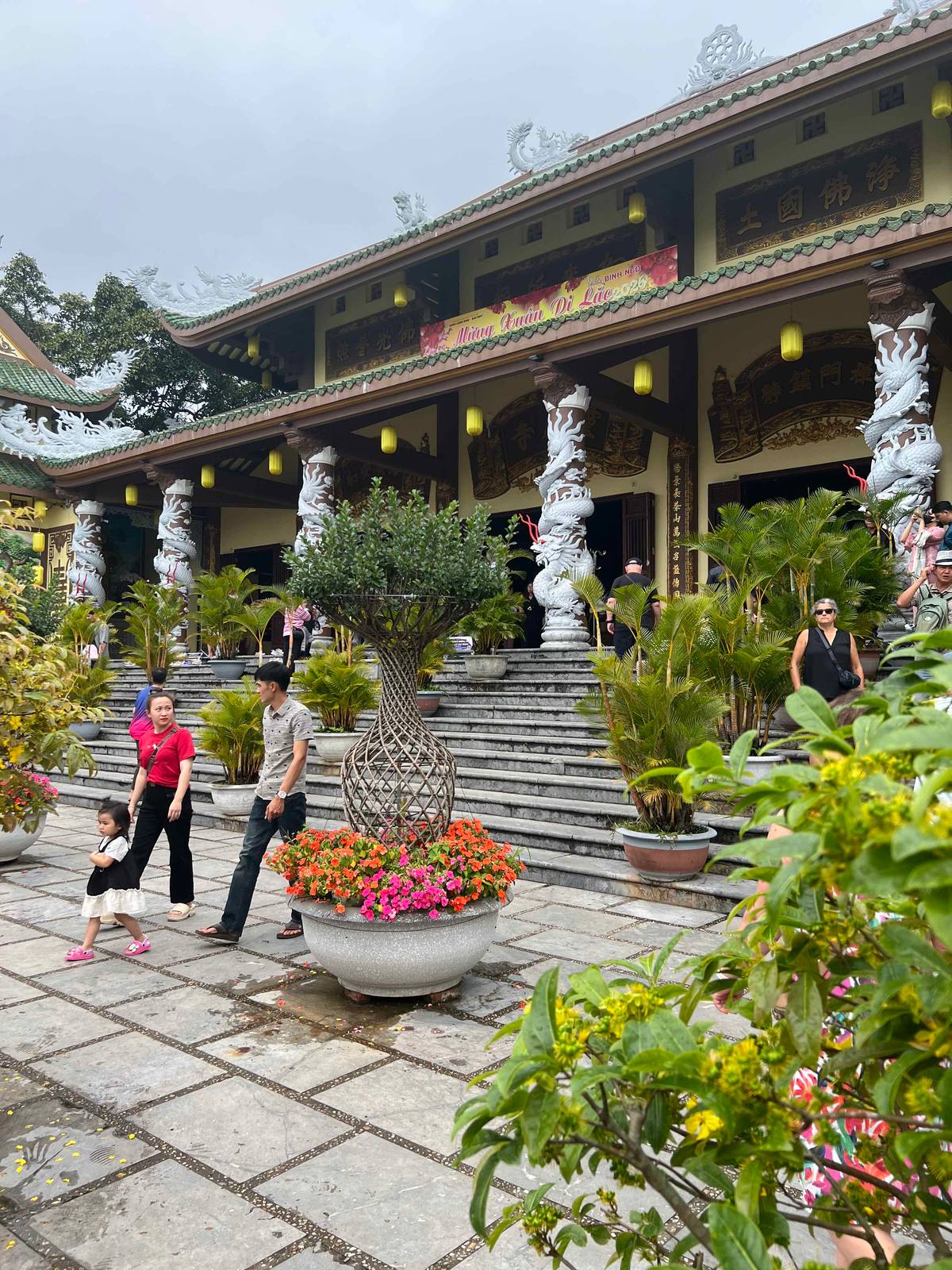
VEGETATION abound at the entrance of a shrine.
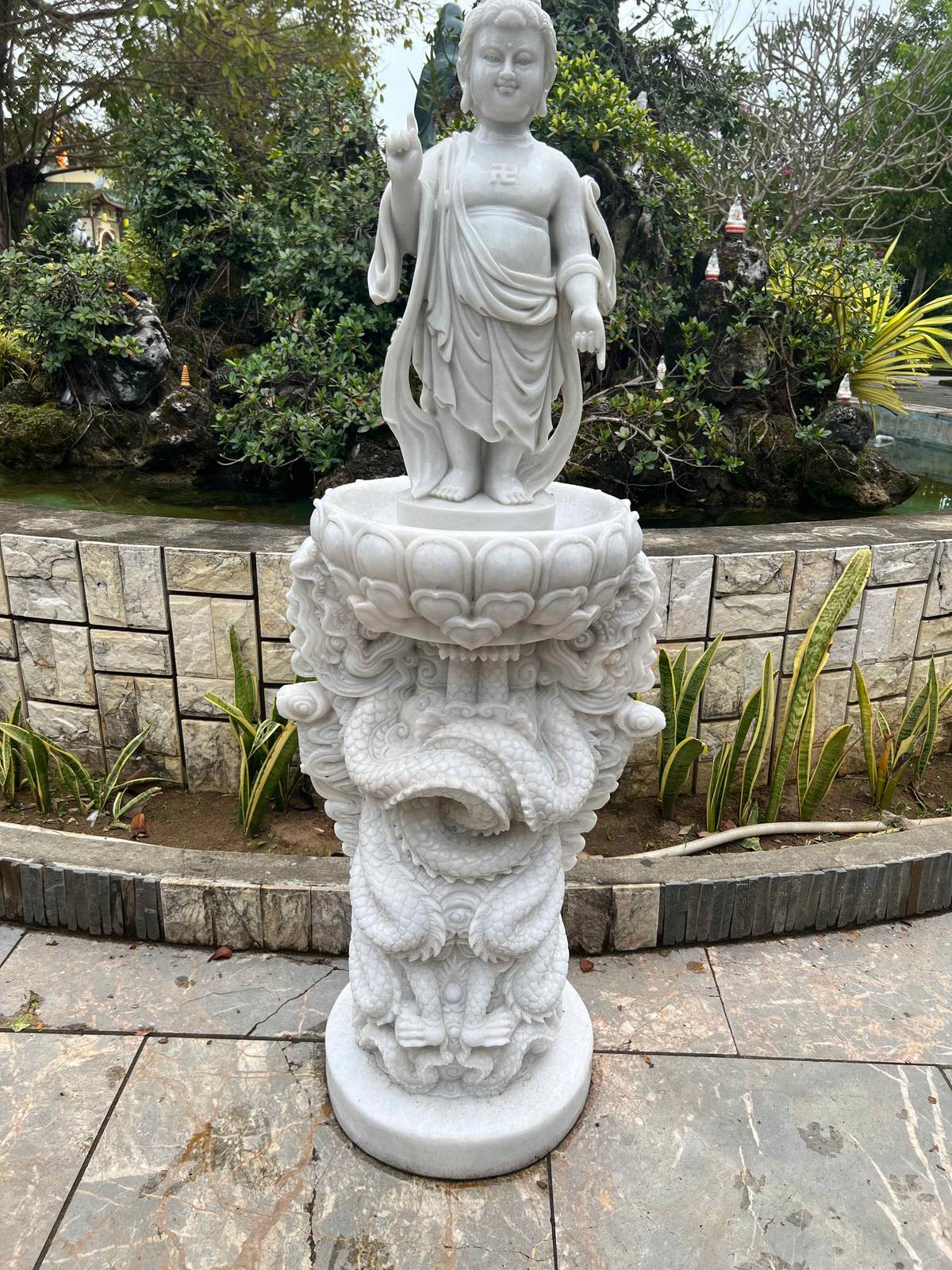
A young Buddha.
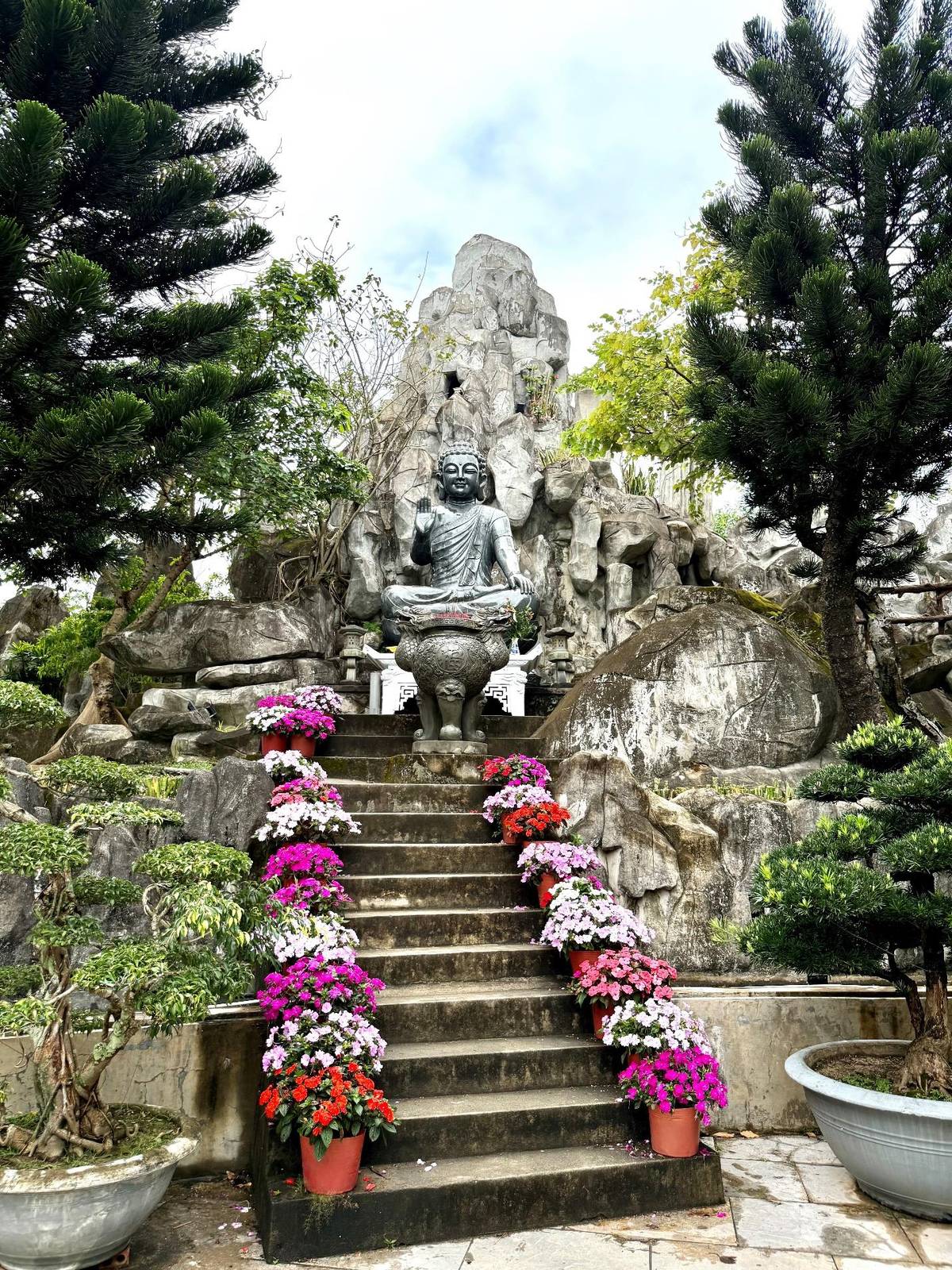
POTS full of blooms honor the sitting Buddha.
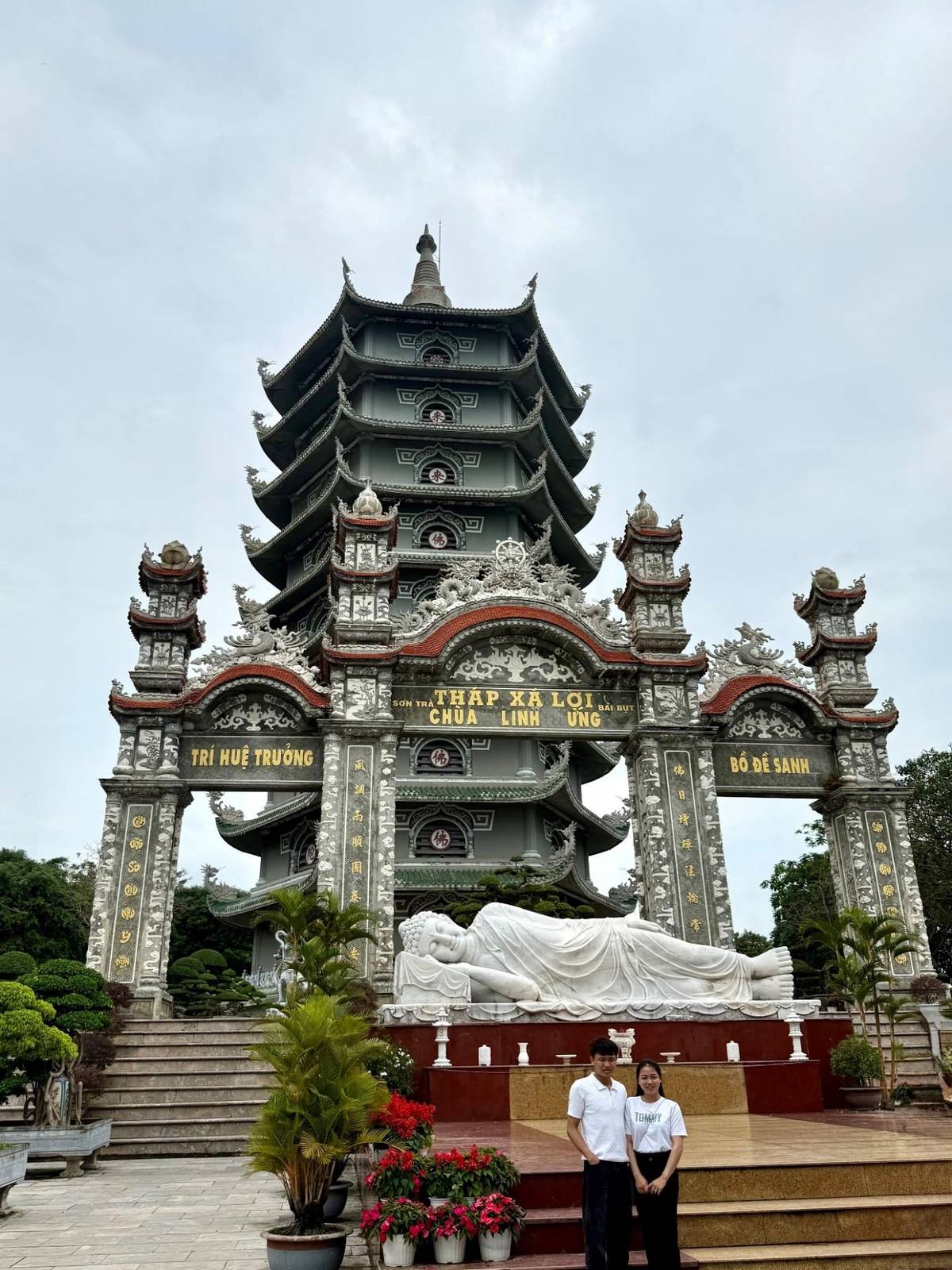
THE Linh Ung Pagoda
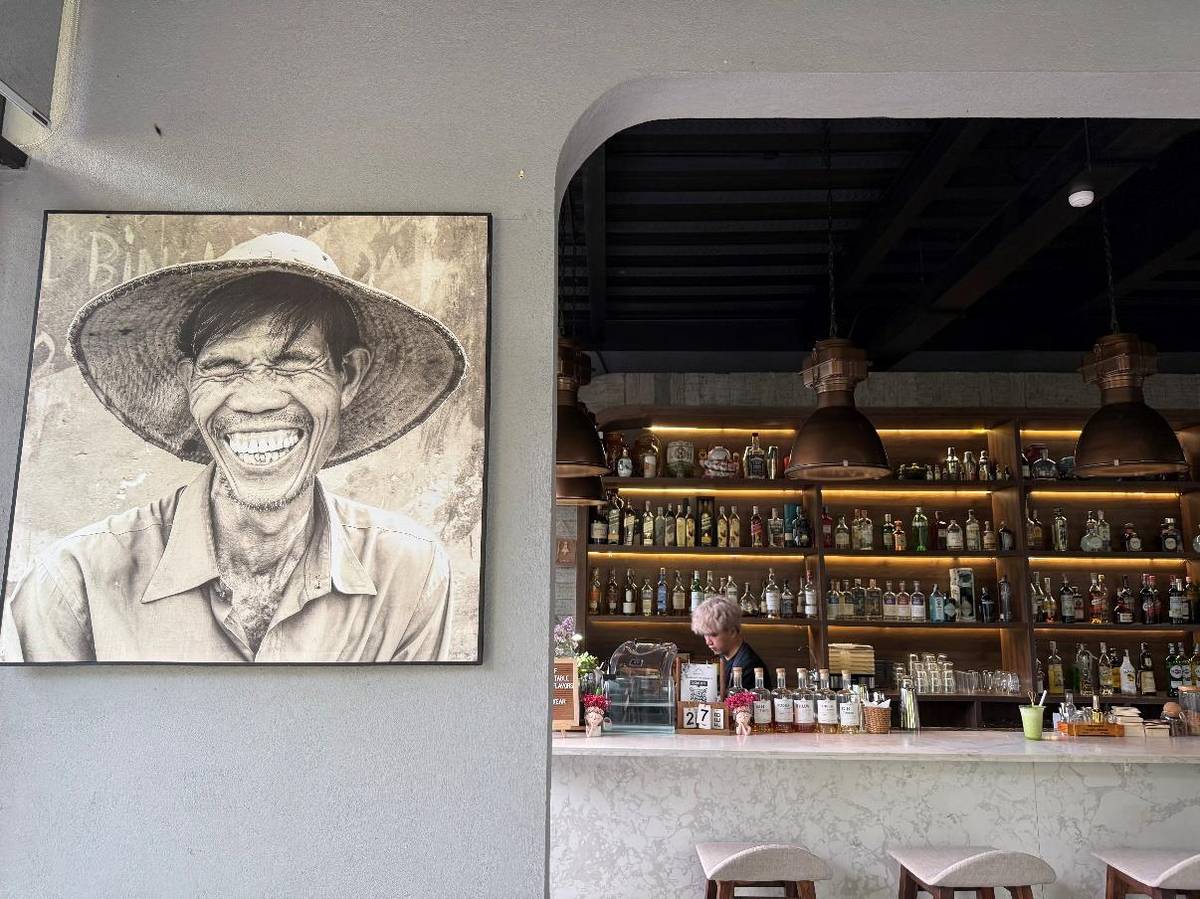
THE welcome grin and the packed bar at The Son Tra Retreat Garden Lounge and Eatery.
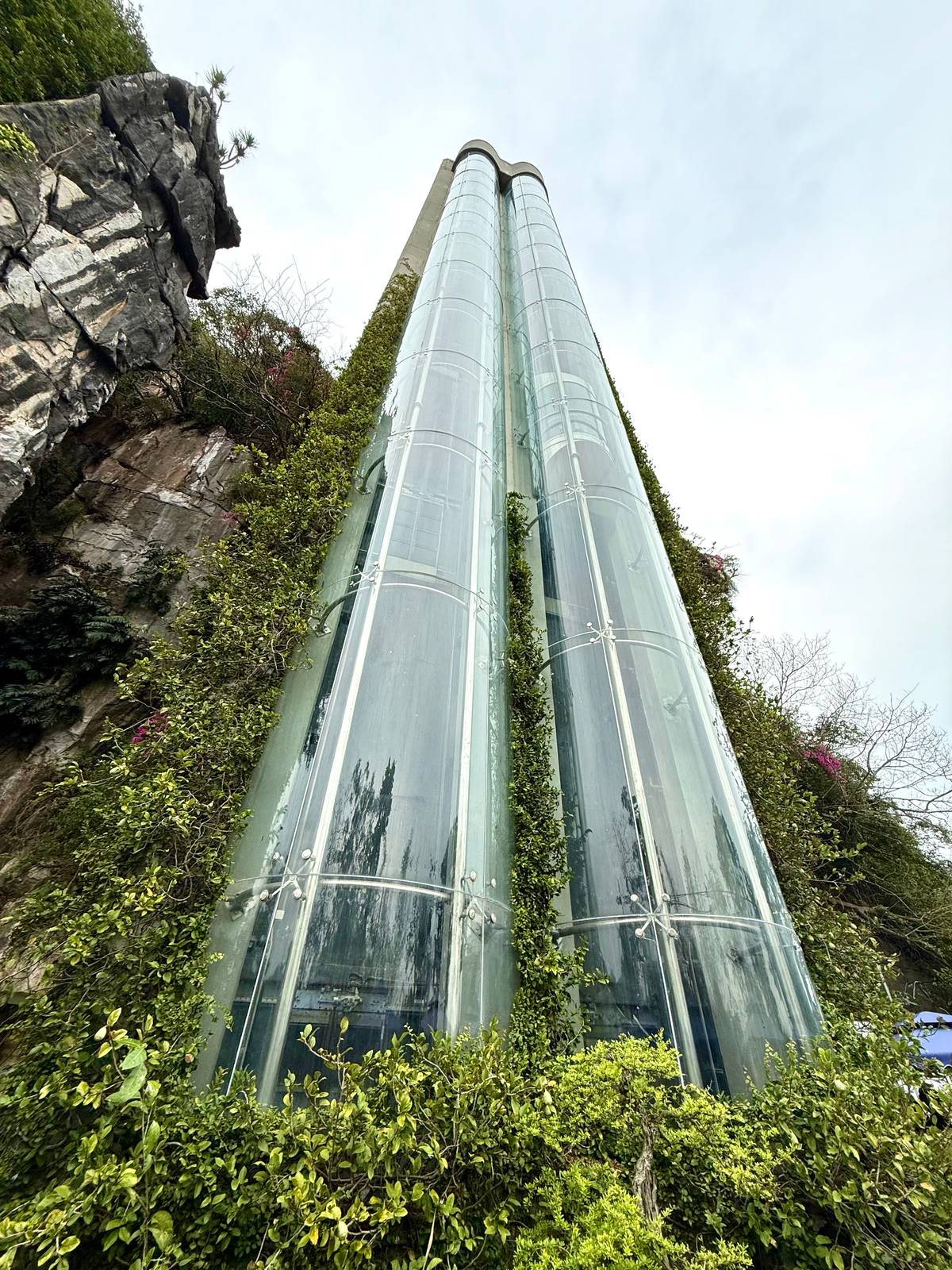
A scenic elevator for tourists and visitors.
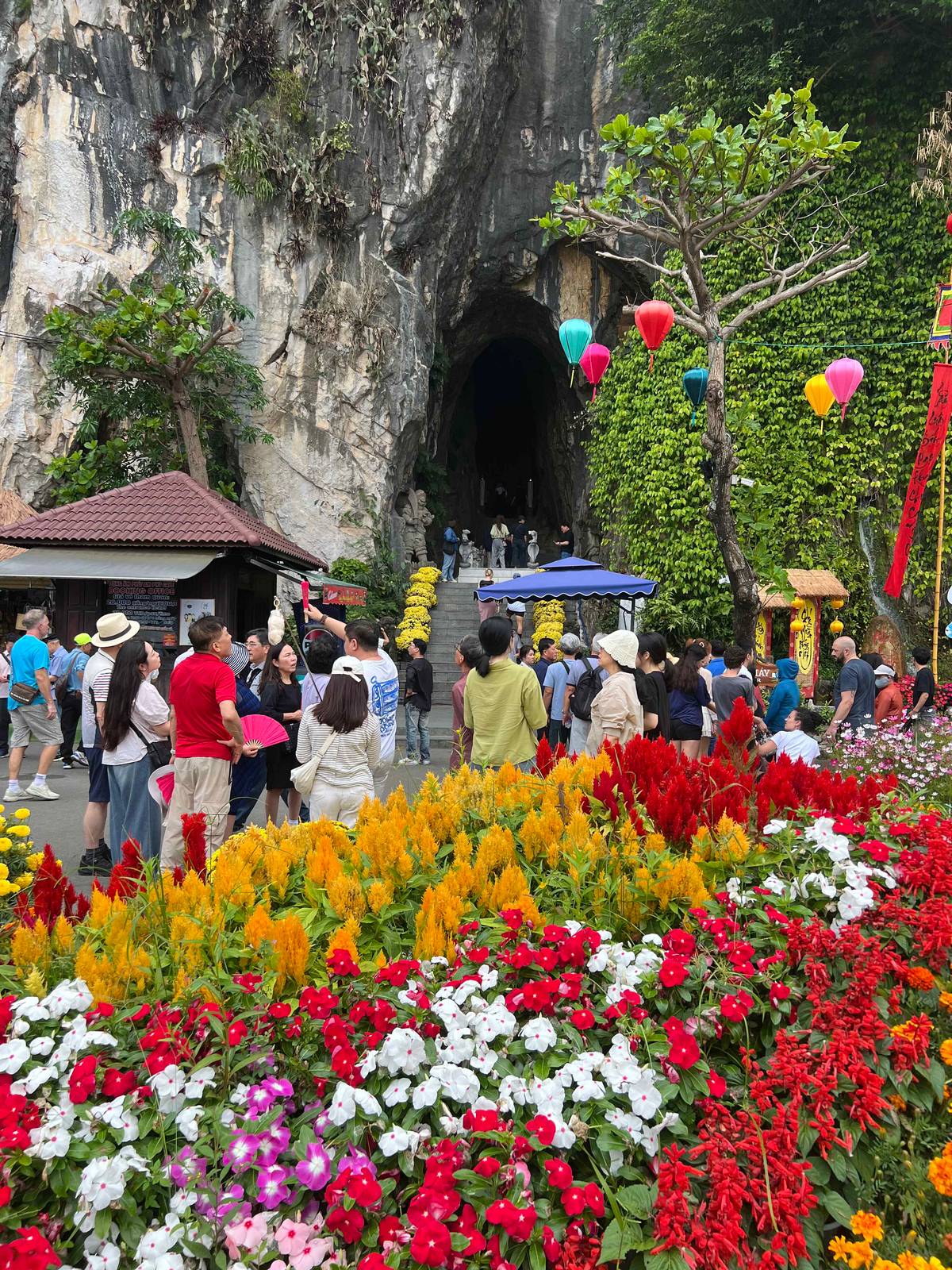
AN entrance to one of the caves in the Marble Mountains, filled with blooms.
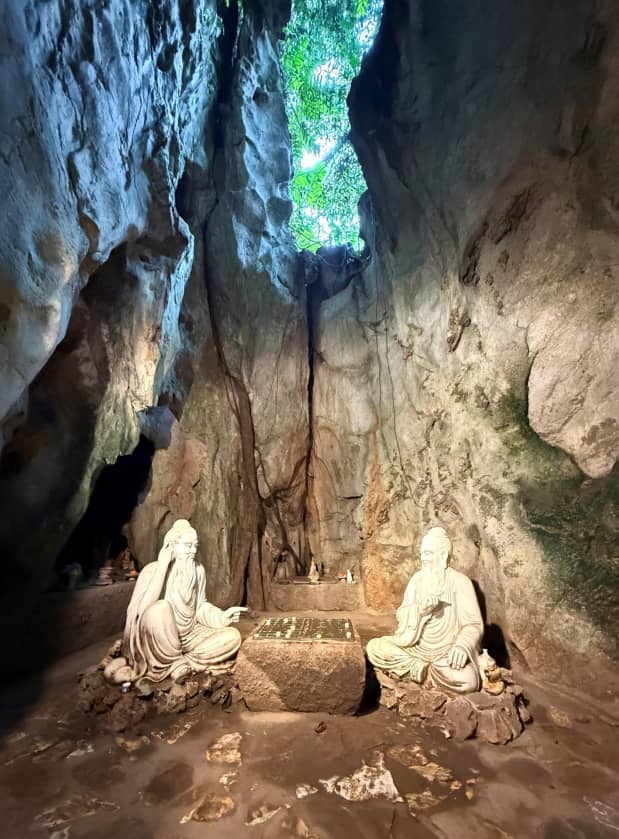
LIGHT shines upon the statues of two wise men engaged in a board game.
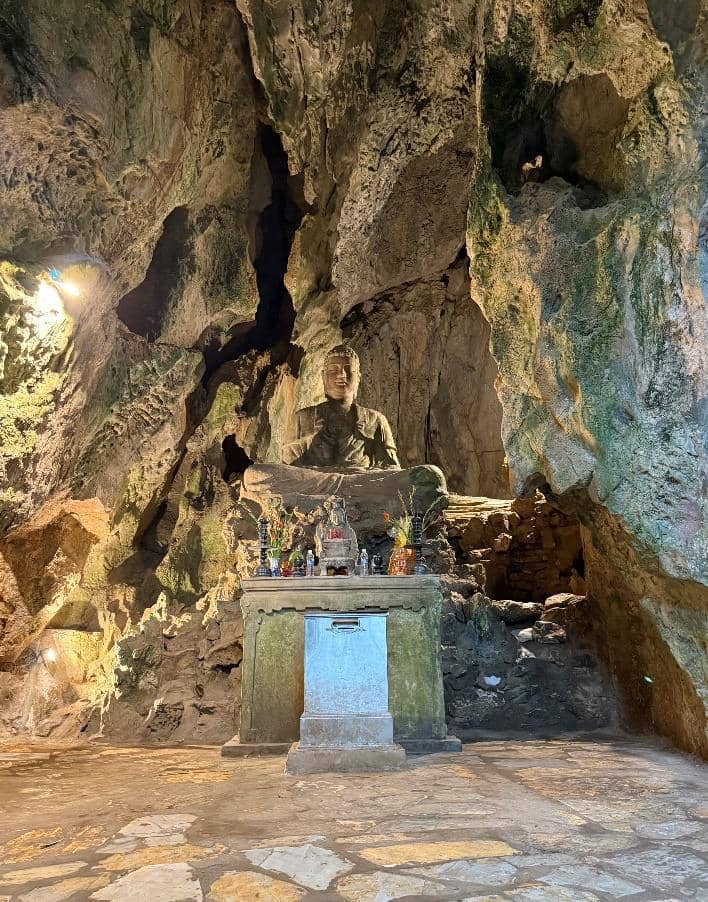
A Buddhist shrine in the Huyen Khong Cave.
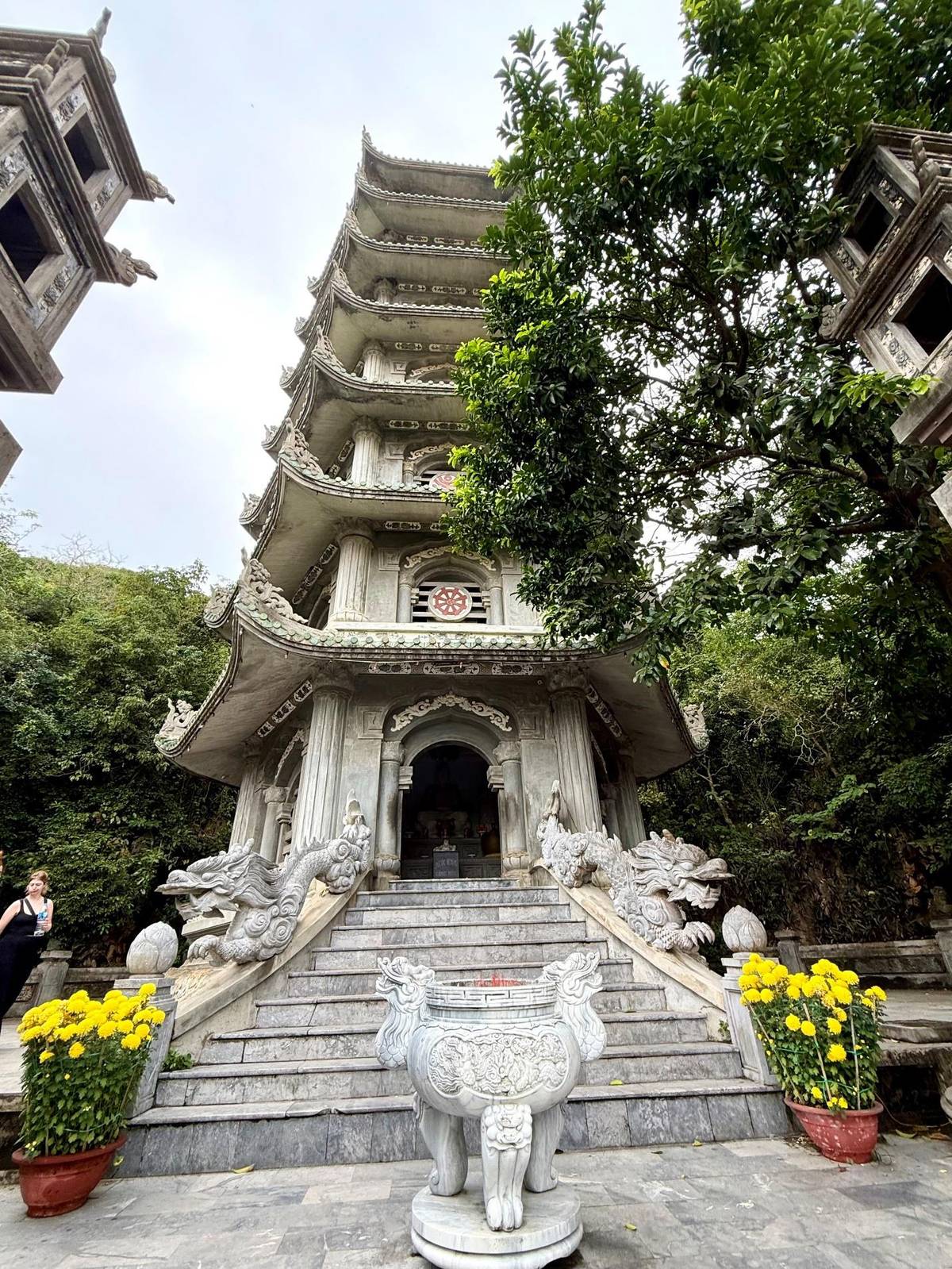
THE Xa Loi Tower.
Da Nang is often spoken of in a similar manner as Manila. Both continue to be a gateway — familiar and convenient — only a point of arrival rather than — place to linger on.
Both are names travelers say when what they mean all the destinations around it.
Mention Da Nang and conversations would quickly drift to Hoi An or Hue. This is much like how our Manila has become a shorthand code for trips, which immediately lead to Boracay, Bohol or even Palawan.
And yet, both cities likewise carry their own sights worth an extended stay!
The first hint of the coastal retreat’s views came not from a guidebook nor Google, but from the vista of my own balcony at Radisson Hotel Da Nang.
The panoramic landscape stretched toward the deep ocean. But it was the mountain range which broke the waters and captured my gaze. Rising from the edge of the shoreline, Son Tra Peninsula — often called Monkey Mountain — stood like a sentinel. And there, almost suspended between the sky and the sea, was the Lady Buddha of Linh Ung Pagoda — almost in motion as it beckoned me for a revisit.
It was one emotion to admire her from a distance, another sensation to feel the lure of the pull — the attraction of a definite come-on.
The road up to Son Tra curved gently, revealing glimpses of the waters below before it turned inward toward dense vegetation. The statue grew gradually, not overwhelming at first, until I stood once again at its base and only then did I understand its scale. At 67 meters, the Lady Buddha is the tallest in Vietnam, though numbers hardly mattered when you were captivated, standing beneath it!
The surrounding grounds unfolded like a series of serene pauses — with religious reminders to do so. An image of a sleeping Buddha rested in calm repose. Nearby, smaller figures — praying, standing and sitting — dotted the gardens, each one designated a site with a sense of balance rather than display.
There was a young Buddha, almost too playful, a gentle reminder reverence does not always demand solemnity. Perhaps sometimes, it needs to be whimsical.
Old bonsai trees, tended with love and care, reigned in their own realms in shallow vintage pots. There were larger ones, certainly proud of their revered age. Blankets of flowers added color to the monochrome statues. We noticed visitors seemed to roam more slowly, as if adjusting to a pace, a cadence the sanctuary quietly requested for.
The nearby Linh Ung Pagoda rose in tiers and carried its own rhythm, as incense drifted lightly through the air. Our encyclopedic tour guide Joe briefly shared a much-loved legend. A Buddha statue drifted ashore — which the local fishermen took as a sign. And thus, they built a shrine. Since then, the sea waves below have turned calmer, which has led to safer sails. Centuries later, the present-day pagoda was constructed to continue this fervent worship.
Driving down along the peninsula, tucked away, was the Son Tra Retreat Garden Lounge and Eatery. Though intentionally hidden, though its remote nature is part of its charm — it is still wildly popular. Shaded corners and wide spaces invited one to sit around without a care in the world.
And yet, Da Nang, with its beaches as far as the eyes could see, had more tucked away in other mountains.
A short ride from the seaboard brought us to Marble Mountains, a cluster of limestone and marble hills which rose abruptly to the low clouds. The scenic elevators brought the curious and the adventurous up to vantage points and cave entrances. Each tunnel carried its own character, with caverns which opened into hidden havens. More steps led to more standpoints framed by jagged stones.
Light filtered through natural cracks, touching on statues — which reminded us of how sunrays penetrate the stained-glass windows in centuries-old European cathedrals. It was part natural formation, part spiritual refuge, shaped as much by time as by devotion.
Sadly, there is a tendency to simply skip Da Nang with scheduled itineraries filled up with visits to its environs. The city makes this convenient. Packed flights arrive, hired vehicles wait and within an hour or two — with Da Nang on the horizon, you could be elsewhere, somewhere.
But to reduce it to a transit point is to miss its own charms — relaxed on balconies facing the beach, drive along invigorating winding roads, meditate in serene gardens, marvel at caves. Not to mention the cuisine and shopping. And perhaps that is why, even after we said our goodbyes, its several secrets have remained with us.
Before politics, the pressures of public life, and the Presidential Palace, Ferdinand “Bongbong” Marcos Jr. remembers a…
When a Tennessee woman was sentenced to death in 1996 for murdering a 19-year-old student the year before, she remained…
Records from the Anti-Money Laundering Council (AMLC) showed that Cale88 Foods Corp., a firm linked to Vice President…
