
The 80/20 closet rule: Dominique Cojuangco Hearn turns wardrobe data into new self-care form
Sorto steps in as both mirror and guide. As users upload their wardrobes, the app begins to map out patterns, revealing not just obvious preferences like silhouettes or colors, but subtler inclinations toward materials and textures.


In an era where consumption is constant and choices are overwhelming, Dominique Cojuangco Hearn is building a quiet revolution that begins in your closet, extends to your beauty shelf and ultimately reshapes how you relate to what you own.
As a beauty entrepreneur and co-founder of The Collective, a curated e-commerce platform championing inclusive skincare and self-care in the Philippines, Hearn has long advocated for intentionality. But with Sorto, the personal inventory app she co-founded with Winnie Wong, that philosophy takes on a more intimate, data-driven form by turning everyday habits into opportunities for self-awareness.
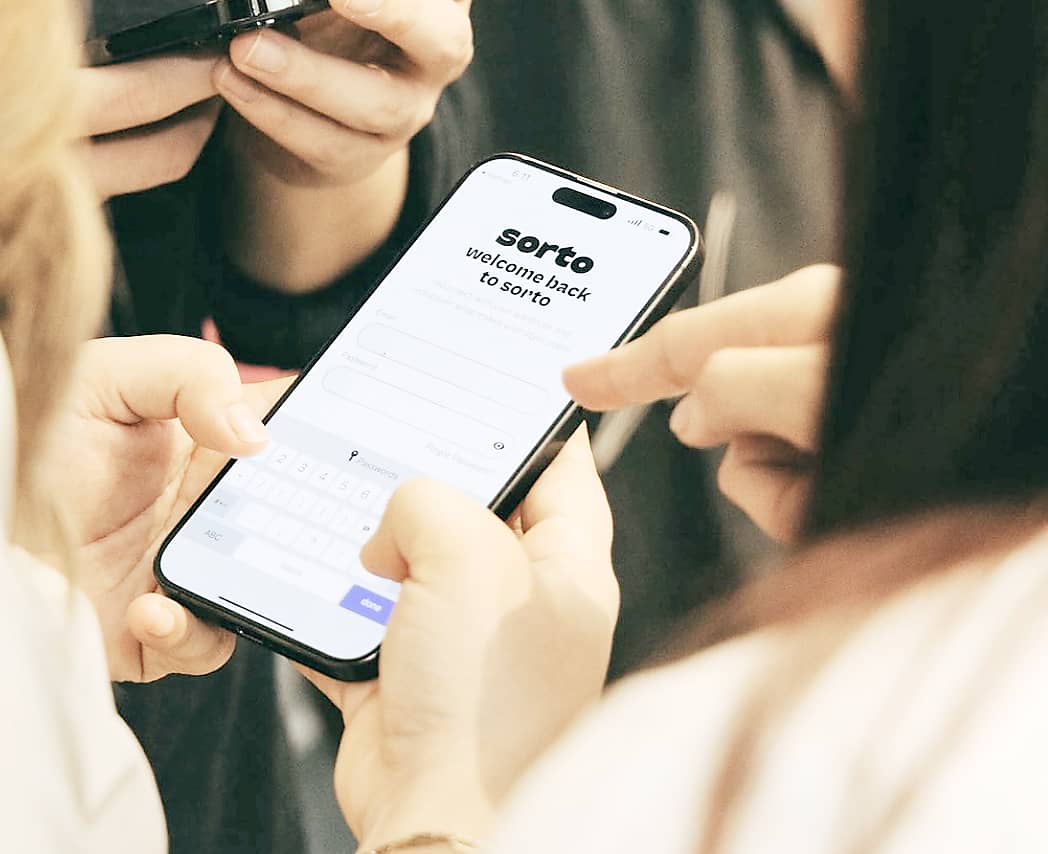
Sorto is reimagining the way we see our closets by turning everyday wardrobes into meaningful data.
At the heart of Sorto is a deceptively simple insight: most people only use about 20 percent of what they own. The remaining 80 percent sits untouched, quietly contributing not just to clutter but also to mental noise.
“It’s not just about physical space,” Hearn shares. “It’s that mental load you carry, knowing those funds could be used somewhere more efficient for your lifestyle.”
Sorto steps in as both mirror and guide. As users upload their wardrobes, the app begins to map out patterns, revealing not just obvious preferences like silhouettes or colors, but subtler inclinations toward materials and textures. These insights, often overlooked, can explain why certain pieces feel more comfortable or empowering in specific situations.
But the platform doesn’t stop at analytics. It transforms data into something deeply personal. Users are assigned an “aura color,” a visual representation of their style identity, alongside a “house” system reminiscent of personality archetypes: Playful, intuitive and unmistakably millennial-coded.
“It’s how you see your own style, how you feel, how you present yourself to the world,” Hearn explains.
That blend of logic and emotion reflects her own approach to curation. While her co-founder Wong may lean toward minimalist, tailored essentials, Hearn embraces a more expressive style by layering accessories and textures to create a look that feels distinctly hers. Their differences underscore a key philosophy behind Sorto: style isn’t about uniformity, but alignment.
And alignment, according to Hearn, is where true value lies.
“Don’t think that the most classic piece means you get the most investment out of it,” she says. “It’s the item that resonates most with you, the one you reach for again and again.”
In her own wardrobe, that might look like a pair of wide-cut trousers that seamlessly transition from office meetings to evening dinners. A simple change of top or a swipe of lipstick can shift the entire mood, proving that versatility is less about the item itself and more about how it’s lived in.
Still, Hearn is realistic about the lifecycle of personal style. Sorto encourages users to confront that reality with intention, whether by archiving pieces for nostalgia, passing them on, or reworking them into something new.
For items that hold sentimental value but no longer feel wearable, she offers a more creative approach: Transformation. Dye it, tailor it, or redesign it. Treat your wardrobe as something dynamic, not fixed.
That same ethos — thoughtful, adaptive, deeply personal — runs through all of Hearn’s ventures. With The Collective, she has already carved out a space that prioritizes inclusivity and mindful consumption in beauty. With Sorto, she expands that vision into the everyday, proving that self-care isn’t just about what you add to your routine, but also what you choose to keep, understand and eventually, let go of.