
Firms shift to data-driven hiring amid attrition concerns

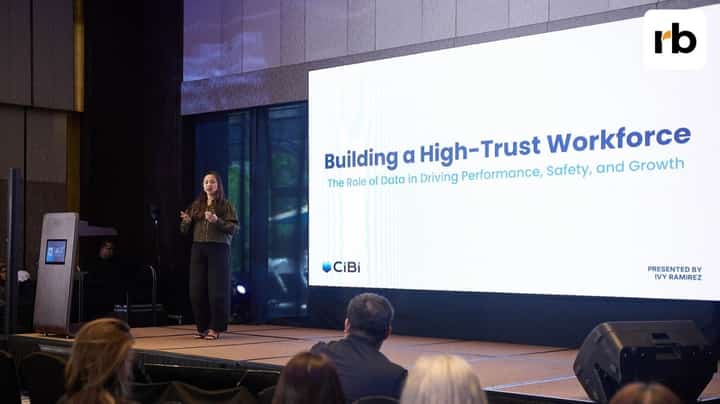
IVY Ramirez, vice president for Service and Industrials at CIBI Information Inc., discusses the shift toward data-driven hiring to improve workforce outcomes.
PHOTOGRAPH courtesy of cibi
Philippine companies are increasingly adopting data-driven hiring practices as they grapple with persistent challenges in workforce stability, including early attrition, inconsistent performance, and job mismatches.
According to CIBI Information Inc., many hiring decisions are still based on limited information, relying heavily on resumes and interviews that provide only a partial view of a candidate’s suitability.
CIBI vice president for Service and Industrials Ivy Ramirez said organizations often lack visibility into behavioral risks and real-world context during the hiring process, leading to misalignment from the outset.
The issue is underscored by data from Aon’s 2025 Salary Increase and Turnover Study, which projects employee attrition in the Philippines at around 20 percent, the highest in Southeast Asia, reflecting both retention challenges and gaps in assessing candidate fit.
As workforce demands grow more complex, traditional hiring methods are proving insufficient. Companies are now integrating deeper background verification and data validation into recruitment workflows to improve decision-making and reduce risks.
CIBI said its workforce solutions, which include identity checks, employment and education verification, and compliance screening, are seeing increased adoption. The firm has conducted over 236,000 local court case checks, 88,000 employment verifications, and tens of thousands of other screenings, signaling a shift toward more data-backed hiring practices.
Ramirez said stronger upfront validation allows companies to improve role alignment, reduce early turnover, and enhance productivity.
Industry players said the shift toward data-driven hiring reflects a broader move from reactive workforce management to more proactive, insight-based decision-making, as businesses seek to build more stable and effective teams from the outset.