
PIA begins 93rd year with new leaders
In recent years, the organization has focused on forward-looking initiatives addressing sustainability, resilience and urban development.

THE Board of Directors of the Philippine Institute of Architects (PIA) for 2026 to 2027 take their oath. (From left) national president Daniel Terence Yu, vice president for Administration Jose Pedro Recio, vice president for Professional Practice Abelardo Tolentino Jr., vice president for Public Affairs Frederick Sibug, national secretary Ma. Cynthia Naval, national treasurer Mylene Isidro, Director Hunson Co, director Germaine Ang, director Maria Cecilia Vega, district director-NCR Maria Lynn Del Rosario, district director-Southern Luzon Adonis Vie Crizaldo and district director-Central Luzon James Dale Miranda and Joselito Miranda, District Director - Northern Luzon
PHOTOGRAPHS by Yuko Shimomura for DAILY TRIBUNE
The Philippine Institute of Architects (PIA) officially swore in its National Board of Officers for 2026–2027 as it embarks on its 93rd year of service to its roughly 600 active members nationwide.
Held on 16 April at the Manila Golf and Country Club, the ceremony saw the Board formally inducted by Professional Regulation Commission chair Conrad Onglao, who urged the new officers to uphold “the highest standards of professional excellence, ethical conduct and integrity within the architectural profession.” The Board was previously elected on 7 March through an organization-wide majority vote.

PROFESSIONAL Regulation Commission, Commissioner Conrad Onglao.
Leading PIA for 2026–2027 is national president Arch. Daniel Terence Yu, FPIA, supported by a roster of officers representing various sectors of the profession.
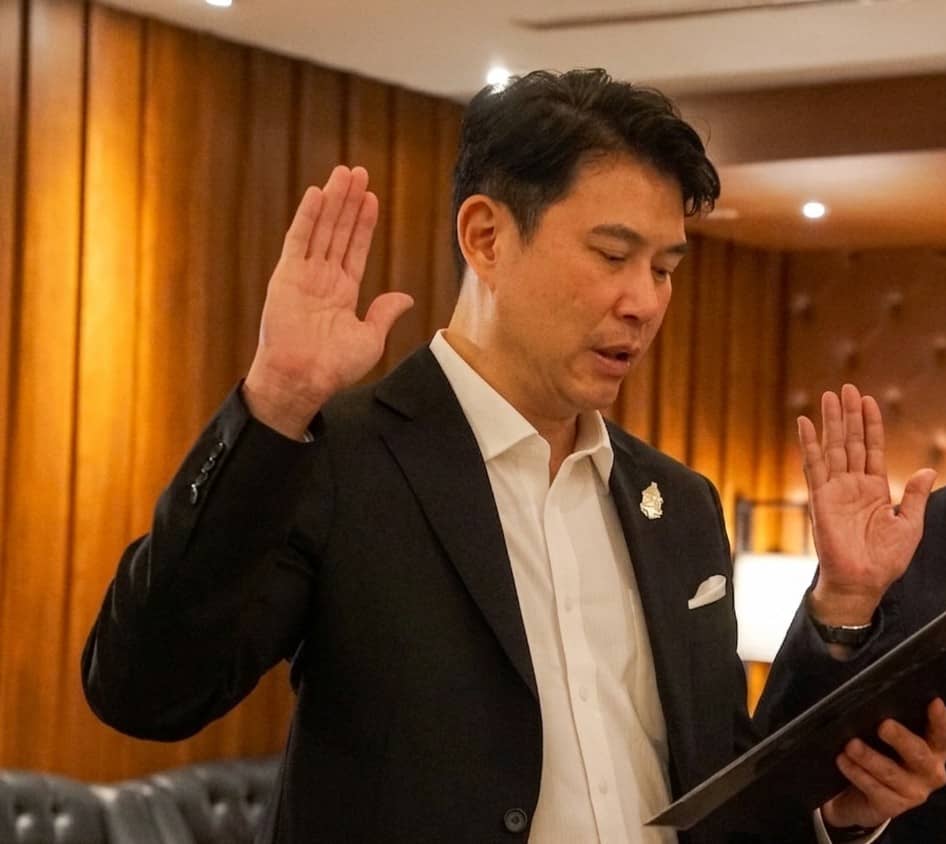
PIA national president Daniel Terence Yu.
Among those inducted were Jose Pedro Recio as vice president for Administration; Abelardo Tolentino Jr. as vice president for Professional Practice; Frederick Sibug as vice president for Public Affairs; and Ma. Cynthia Naval as national secretary. They were joined by Mylene Isidro as treasurer, along with directors and district heads representing Luzon, Visayas and Mindanao.
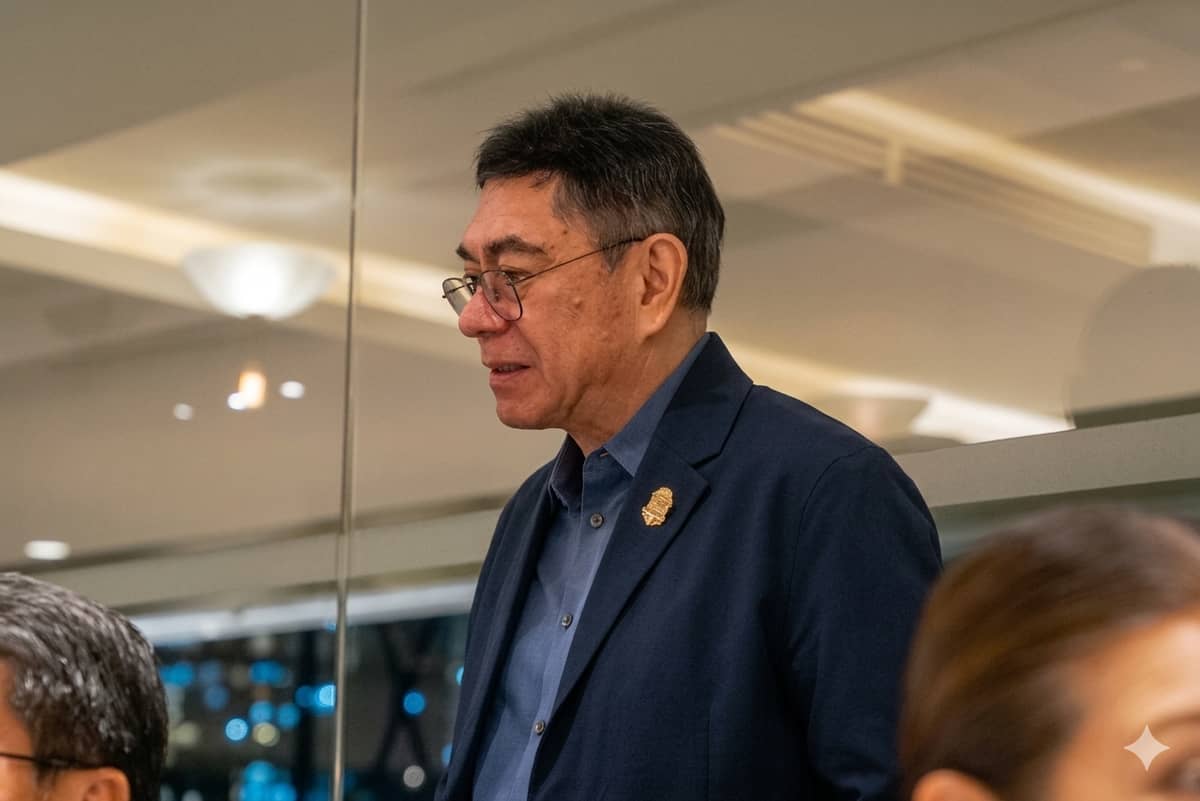
PIA vice president for public affairs Frederick Sibug.
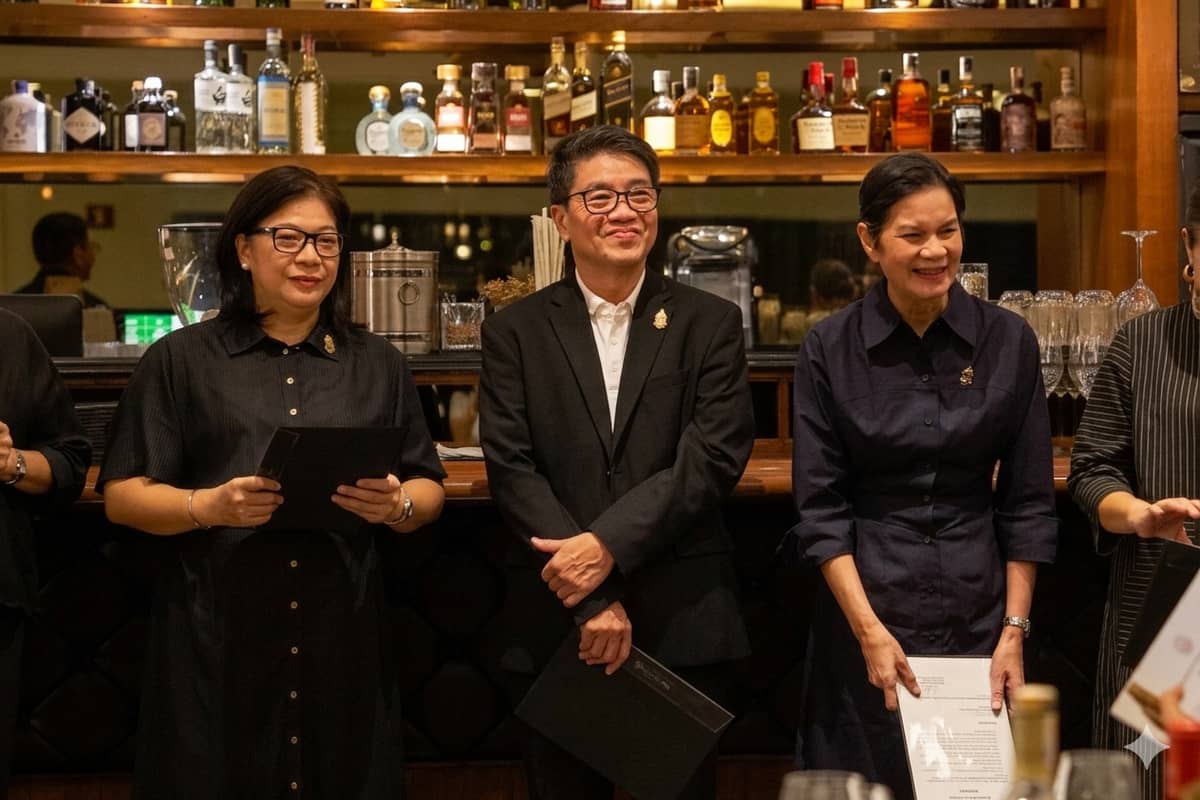
PIA national treasurer Mylene Isidro, director Hunson Co and director Maria Cecilia Vega.
Former PIA president Nepthy del Rosario, who led the organization from 2019 to 2020, also addressed the Board prior to the oath-taking, highlighting camaraderie as the group’s greatest strength. He reminded the new leadership that beyond individual roles, unity, shared purpose and service sustain the institute.

FORMER PIA president Nepthy del Rosario.
Founded in 1933 by pioneers such as Juan F. Nakpil, the PIA is the oldest architectural organization in Asia and one of the most influential professional bodies in the Philippines’ built-environment history. On its official platform, the institute emphasizes its commitment “to advance the profession of Architecture” and “to promote the highest standards of ethical conduct and professional practice,” underscoring its role as both advocate and standard-bearer for Filipino architects.

PIA district director-Visayas Isabel Garcia.
It seeks to promote excellence in architectural design, education and practice while safeguarding the integrity of the profession and supporting the continued growth of its members through lifelong learning and collaboration.
Emerging from the Philippine Architects Society, the PIA played a key role in post–World War II reconstruction and in institutionalizing the profession through landmark contributions to Republic Act 545 (Architects’ Law), Republic Act 9266 (Architecture Act) and the drafting of the National Building Code (Presidential Decree No. 1096), shaping how Architecture is practiced, regulated and taught in the Philippines.
On the international front, the PIA became an early participant in the global architectural community through its involvement in the Union Internationale des Architectes, helping position Filipino architects in global discourse while hosting exhibitions, publications and international conventions that showcase Philippine design excellence.
In recent years, the organization has focused on forward-looking initiatives addressing sustainability, resilience and urban development. Its national conventions — such as the 2025 “One PIA” event in Baguio — have evolved into a major platform for discussing climate-responsive design, cultural preservation and the future of Philippine cities.
Parallel continuing professional development programs have emphasized green architecture, flood mitigation and regenerative design — issues increasingly urgent in the Philippines’ climate context. The organization has also expanded its global engagement through international building science conferences and partnerships with sustainability-focused groups, signaling a shift toward more research-driven and technology-enabled practice.
At the helm is president Terence Yu, who leads the organization into its 93rd year. An accomplished architect and CEO of Visionarch, Yu is known for his work on large-scale, transit-oriented developments such as One Ayala, which integrates the MRT-3 Ayala Station, the EDSA Carousel and surrounding commercial hubs. His earlier work includes a seven-tower residential project in Bonifacio Global City, reflecting his focus on integrated, people-centered design.
As the PIA begins its 93rd year, the inauguration of its new board signals not only continuity but also a renewed mandate to shape a more resilient, responsive and forward-looking architectural practice in the Philippines.
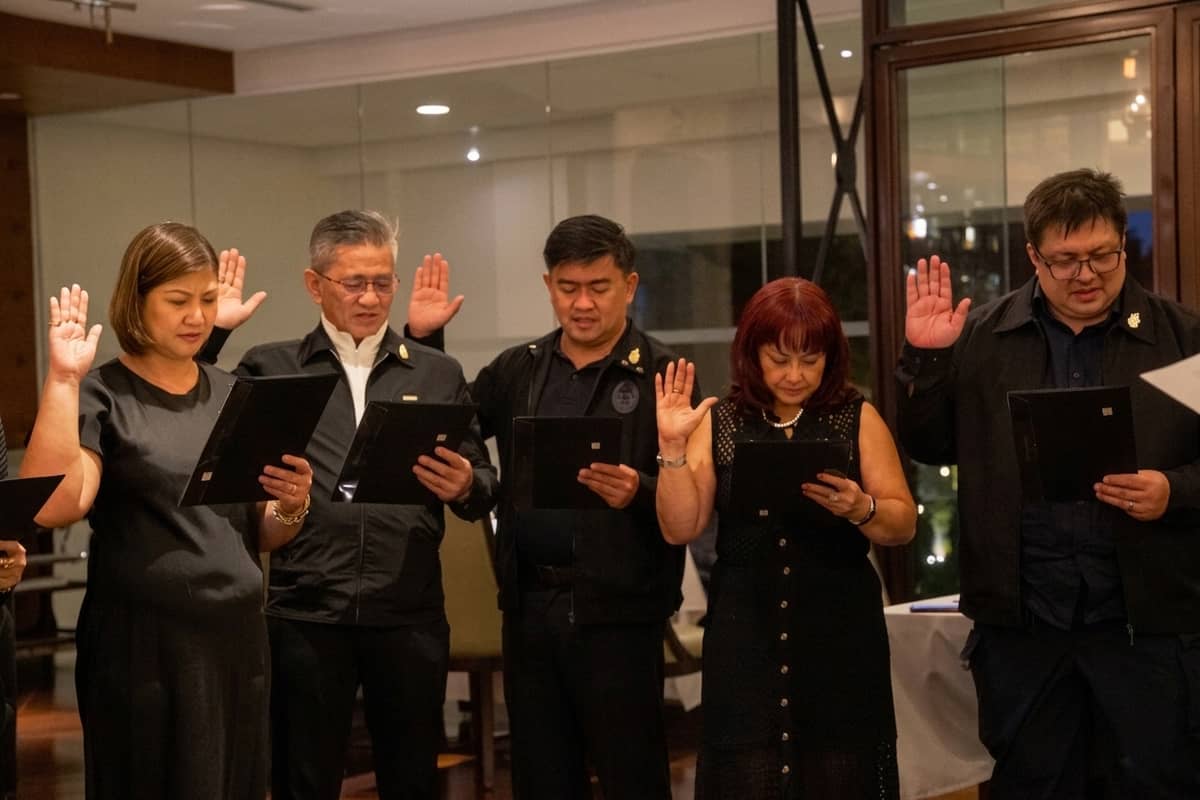
PIA district director-NCR Maria Lynn del Rosario, district director-Southern Luzon Adonis Vie Crizaldo, district director-Central Luzon James Dale Miranda, district director-Visayas Isabel Garcia and district director-Mindanao Romeo dela Cruz.
Built on legacy
In 2022, the PIA proudly celebrated its 90th anniversary under the theme “Resilience & Renewal.” The milestone highlighted the institute’s enduring contributions to Philippine architecture, including the development of foundational documents that shaped professional standards. The theme reflected PIA’s spirit—like bamboo, resilient, adaptable, and able to thrive through challenges.

Celebrating 90 years of resilience and renewal, PIA honors its legacy and enduring impact on Philippine architecture.
Screengrab from Siemon Canumay/YouTube
The anniversary event brought together some of the country’s leading architects to celebrate PIA’s legacy and its ongoing commitment to growth and innovation. The festivities were held at Newport World Resorts and the World Trade Center Metro Manila in March 2022, marking a meaningful moment in the institute’s history.

In 2024, PIA explored the future of architecture with ‘Augmenting Intelligent Technologies in Our Design Process,’ showcasing innovation and technology-driven design.
In 2024, PIA turned its focus to the future with the theme “Augmenting Intelligent Technologies in Our Design Process.” The four-day event, held in March at MOA-SMX and Diamond Hotel, Pasay City, in collaboration with the Philippine Institute of Interior Designers and the World Furniture Exhibit, explored the transformative role of intelligent technologies in architecture and design. Esteemed speakers and panelists engaged delegates in discussions on integrating cutting-edge innovations into professional practice, highlighting PIA’s commitment to a forward-looking, technology-driven industry.
Entering its new year, PIA continues to build on its legacy—supporting architects, mentoring the next generation, and shaping a resilient, forward-looking built environment in the Philippines.