
Kaufman says ICC ruling on Duterte jurisdiction ‘expected’ as defense shifts strategy

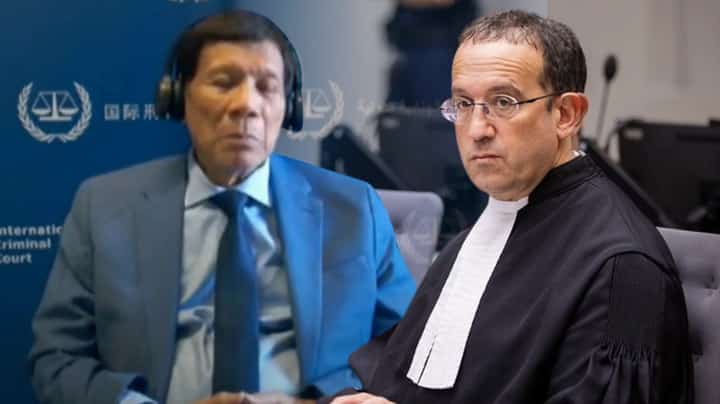
Defense lawyer Nicholas Kaufman said the International Criminal Court Appeals Chamber’s decision affirming jurisdiction over former president Rodrigo Duterte was “expected,” as legal arguments on the issue had long been tested before the tribunal.
The ICC Appeals Chamber upheld the court’s authority to try Duterte despite the Philippines’ withdrawal from the Rome Statute, reinforcing an earlier decision that jurisdiction covers alleged crimes committed while the country was still a member.
“What would the practical effect of the decision today would have been had it gone our way? Essentially, it would have voided the court’s docket, there would have been nothing left for this court to do apart from some insignificant human trafficker from Libya,” the Duterte lawyer said.
“The former President of the Philippines Rodrigo Duterte is the big catch of this court, and it was never really my impression that they would let him go that easily,” he added.
Kaufman, lead counsel for Duterte, acknowledged the significance of the ruling but indicated the defense would now pivot to other aspects of the case, particularly contesting the evidence and the prosecution’s narrative.
"The evidentiary weaknesses we identified will be the very weaknesses that will lead to his acquittal,” he said.
Duterte, who has been detained in The Hague since his arrest in 2025, faces allegations of orchestrating killings linked to his administration’s anti-drug campaign.
Prosecutors claim the crackdown led to thousands of deaths, while Duterte has maintained that police were ordered to use lethal force only in self-defense.
The ruling also drew mixed reactions, with victims’ families welcoming the development as a step toward accountability, while Duterte’s supporters continued to question the court’s authority over the former leader.
The court is anticipated to issue its ruling on whether to uphold the three counts of crimes against humanity — covering murder and attempted murder — against Duterte before the 60-day deadline expires on 28 April.