
From a father’s legacy to a city of care: Las Piñas builds a lifeline for Filipino health
Healthcare must be accessible, reliable, and responsive to the needs of the people. From this foundation, the path forward becomes clearer. A system built at the community level can be strengthened, replicated, and expanded.

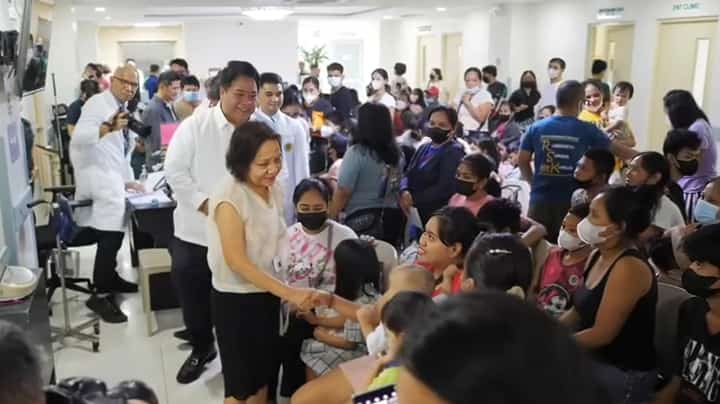
In Las Piñas, public service has long been shaped by a sense of responsibility that begins at home. It is a story that begins not in the halls of legislation, but in a deep and enduring connection to one’s hometown. For former Senator Cynthia Villar, that story traces back to her father, Dr. Filemon C. Aguilar, a beloved mayor whose dedication to his constituents defined how service should be lived and carried forward.
His approach to governance was anchored on the belief that public service must be experienced in daily life. For residents, this meant access to essential services, especially healthcare, delivered with consistency and attention. That example shaped Villar’s own path in public service, the idea that policy must translate into tangible support for communities. Over time, the same principle extended to the next generation, including Senator Camille Villar.
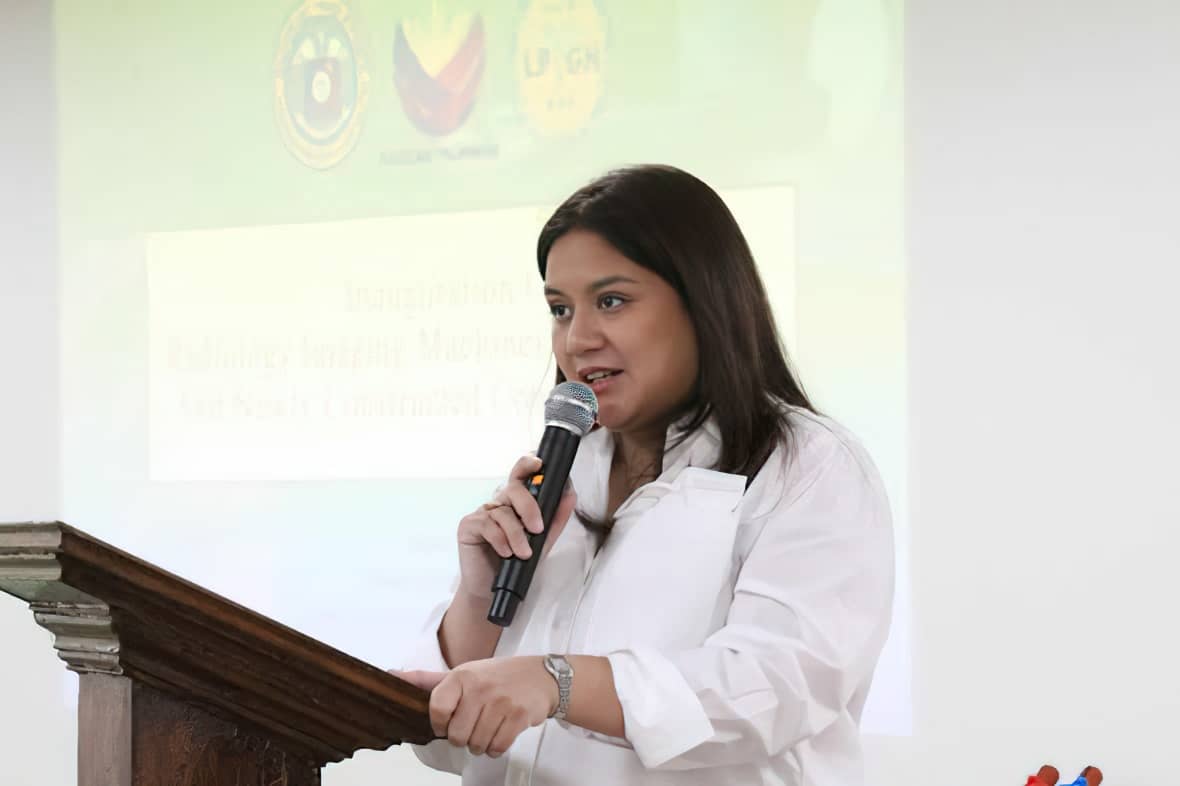
SENATOR Camille Villar at the hospital’s expansion inauguration.
This continuity is most visible in the growth of the Las Piñas General Hospital and Satellite Trauma Center. What began in 1977 as a modest outpatient clinic near the historic Las Piñas Bamboo Organ Church has developed into a vital healthcare institution serving southern Metro Manila and nearby provinces. For years, it remained the only national government hospital in the area, steadily addressing the needs of a growing population.
As a Department of Health facility, it operates under the government’s Zero Balance Billing program, which allows qualified patients to receive essential services without hospital billing at discharge.
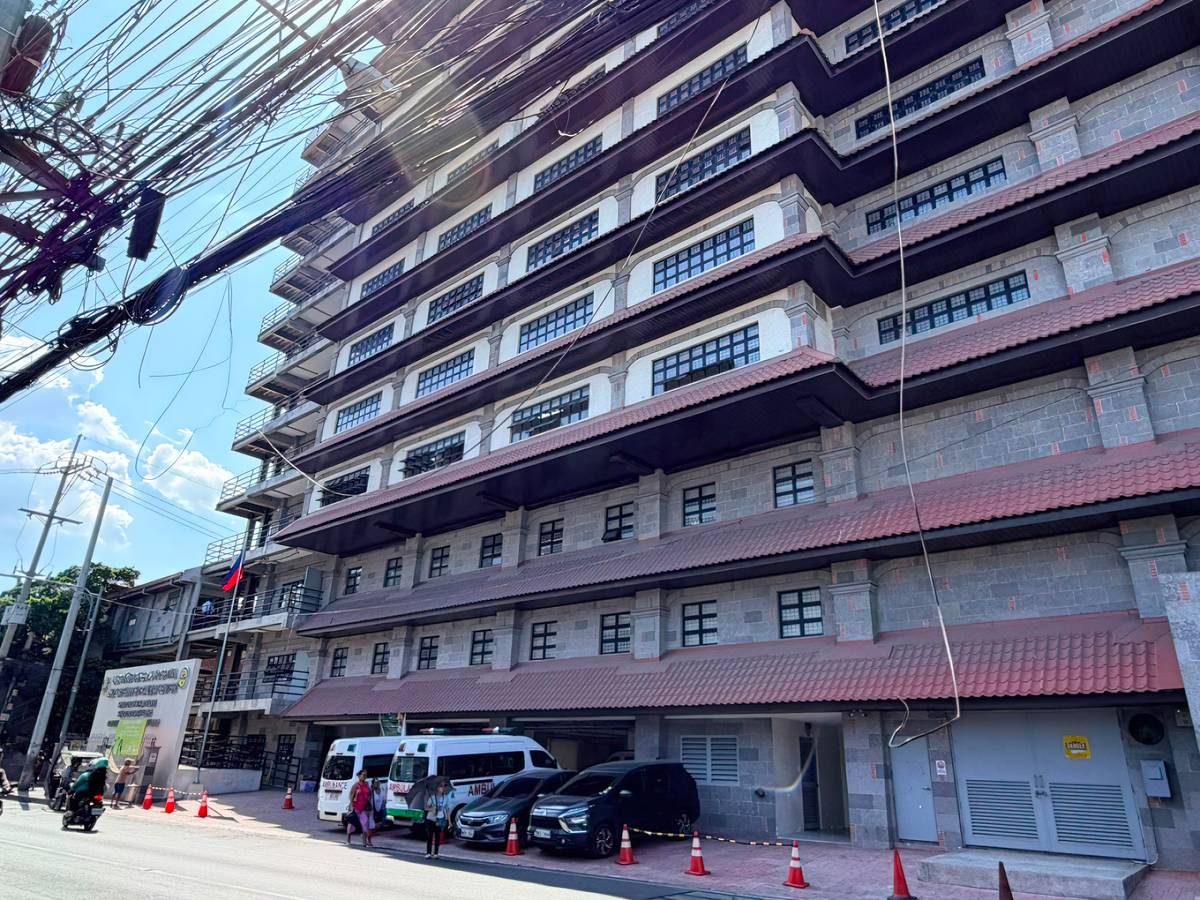
ZERO Balance Billing, no out-of-pocket hospital charges for eligible patients.
PHOTOGRAPH by Patricia Ramirez for DAILY TRIBUNE
Its expansion was not sudden but built through sustained legislative and institutional support. A key milestone was the passage of Republic Act 11497, which increased its capacity to 500 beds and enabled the construction of a larger and more modern facility. The direction was clear: strengthen public healthcare where demand is highest.
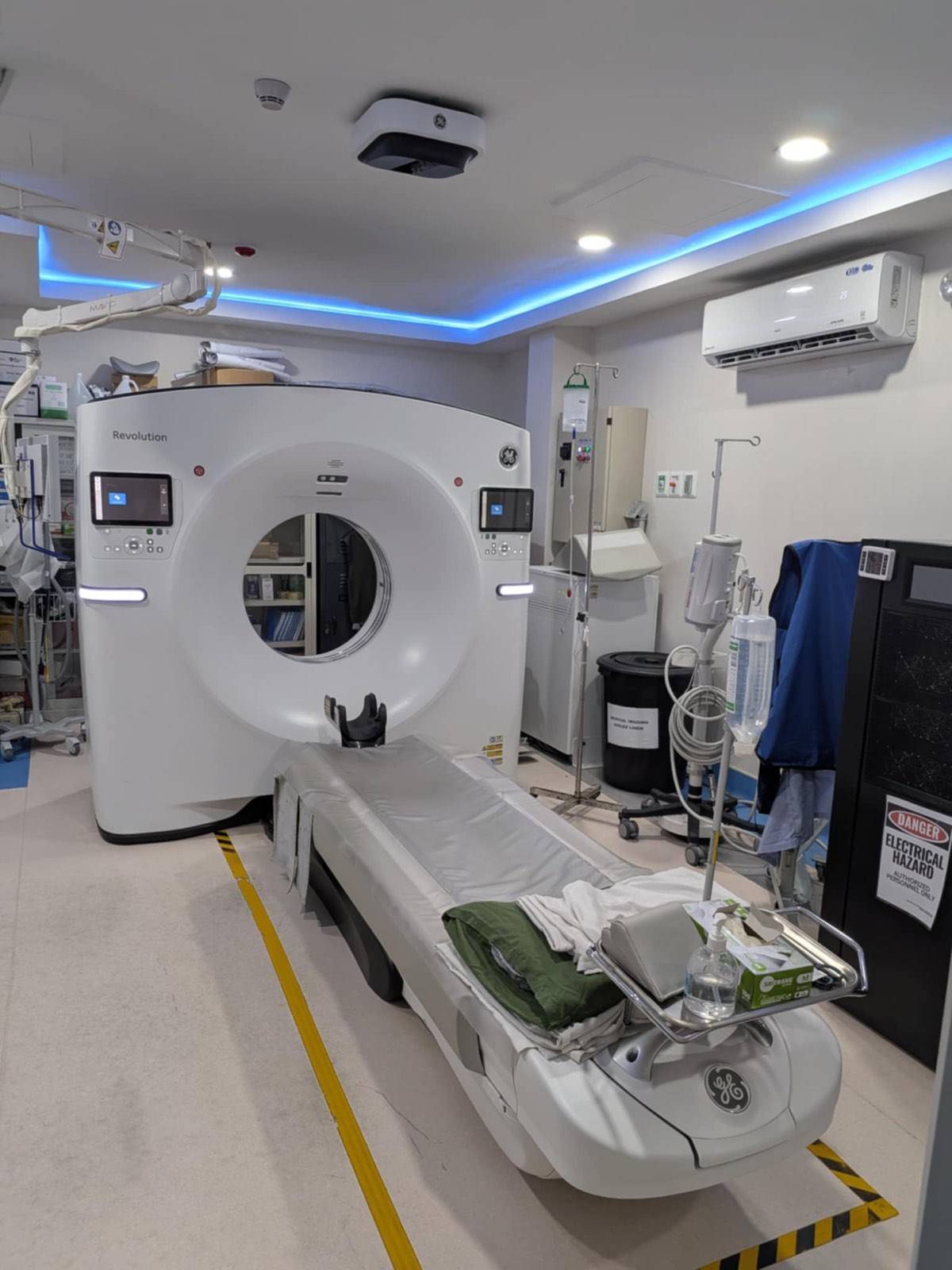
CT scan for faster and more accurate diagnosis.
By August 2025, this direction was realized through the inauguration of CT scan and MRI machines, along with infrastructure upgrades such as a connecting bridge and a multipurpose hall. These improvements strengthened the hospital’s ability to provide timely and accurate diagnosis. Today, CT scans, MRI, 2D Echo and dialysis are offered free of charge, helping ease the burden on families while improving access to early treatment.
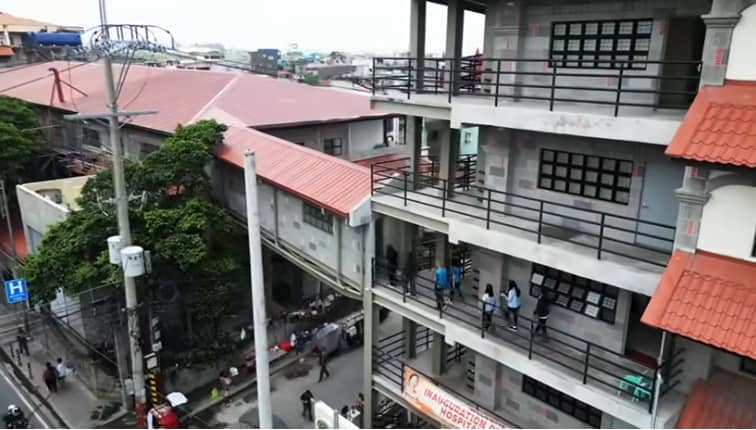
CONNECTING bridge linking hospital facilities for faster access and movement.
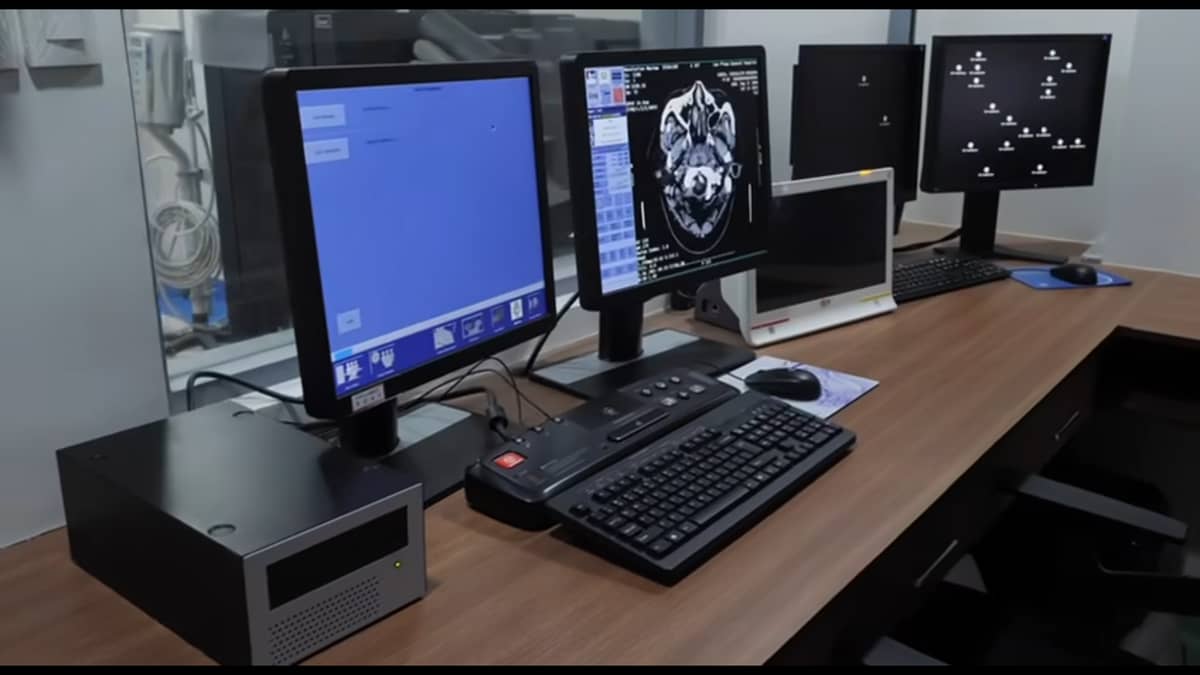
UPGRADED facilities improving hospital care and capacity.
During the Covid-19 pandemic, additional medical equipment supported the hospital in managing both emergency and routine cases. Expansion efforts also included separate treatment areas for infectious and non-infectious patients, ensuring continuity of services while protecting patients and healthcare workers.
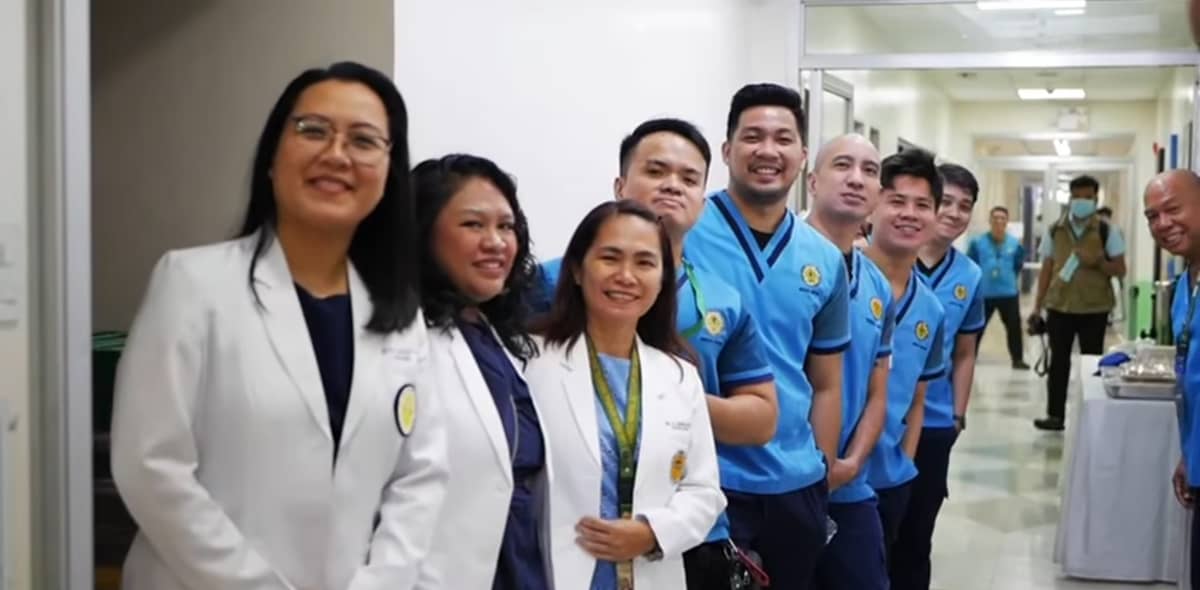
LAS Piñas healthcare moves forward with stronger, more accessible care for every patient.
Beyond physical development, the hospital reflects a broader framework for public healthcare. Through initiatives linked to the Villar Foundation, the focus remains on long-term investment, efficient hospital operations and wider community access. It serves as a model that extends beyond Las Piñas, offering insight into how localized systems can support national healthcare needs.
The Philippines continues to face gaps in hospital capacity and resource distribution. Public institutions carry a significant portion of patient care, yet demand often exceeds available support. In this context, the experience of Las Piñas offers a practical reference point. It demonstrates how sustained funding, legislative backing and clear priorities can improve service delivery over time.
What began as a commitment shaped by one leader’s connection to his city has evolved into a structure that serves a wider population. The progression from local governance to institutional development highlights a consistent principle. Healthcare must be accessible, reliable and responsive to the needs of the people.
From this foundation, the path forward becomes clearer. A system built at the community level can be strengthened, replicated and expanded. In doing so, more Filipinos gain access to care that meets both standard and scale, grounded in the same values that first defined service in Las Piñas.