
COOL LIVING: Smart, simple ways that beat the summer heat at home


Summer heat can turn even the most comfortable home into a slow-cooking oven. But staying cool doesn’t always mean relying heavily on air-conditioning or spending more on electricity. With a few intentional habits and clever home adjustments, you can create a cooler, more comfortable living space that feels refreshing even on the hottest days.
Work with the sun, not against it

MORNING air flows freely through open windows, using natural cross-ventilation to cool down the home before the midday heat sets in.
PHOTOGRAPH courtesy of dreanstime
One of the biggest sources of indoor heat is direct sunlight. During peak hours, especially late morning to mid-afternoon, sunlight enters through windows and gradually warms up walls, floors, and furniture.
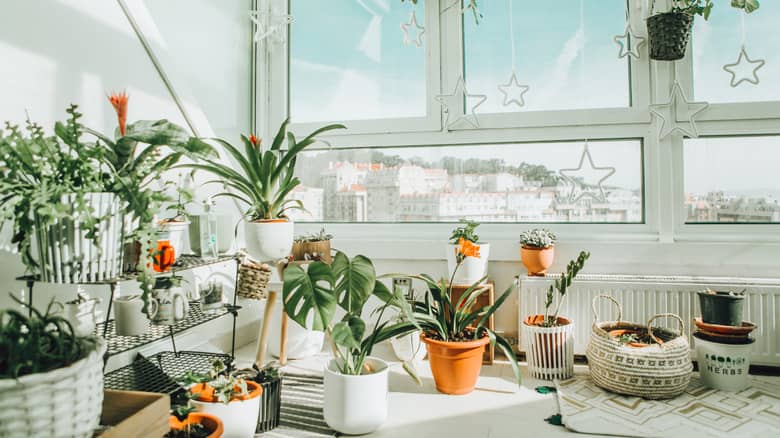
HOUSEPLANTS sit by a sunlit window, offering a touch of green while subtly helping cool and refresh indoor air.
PHOTOGRAPH courtesy of digest
A simple fix is to block out the heat before it enters. Keep curtains or blinds closed during the hottest part of the day, especially for windows facing direct sunlight. Light-colored or reflective curtains help bounce heat away instead of absorbing it.

THICK curtains in the late morning to block intense sunlight, preventing heat buildup inside a modest urban home.
PHOTOGRAPH courtesy of getty images
If possible, consider adding window shades or thermal curtains for an extra layer of insulation.
Let your home breathe at the right time
Airflow plays a huge role in how cool your home feels. Instead of keeping windows open all day, time your ventilation wisely.
Early mornings and evenings are the best times to open windows and allow cooler air to circulate. This helps push trapped warm air out and refresh indoor spaces naturally.
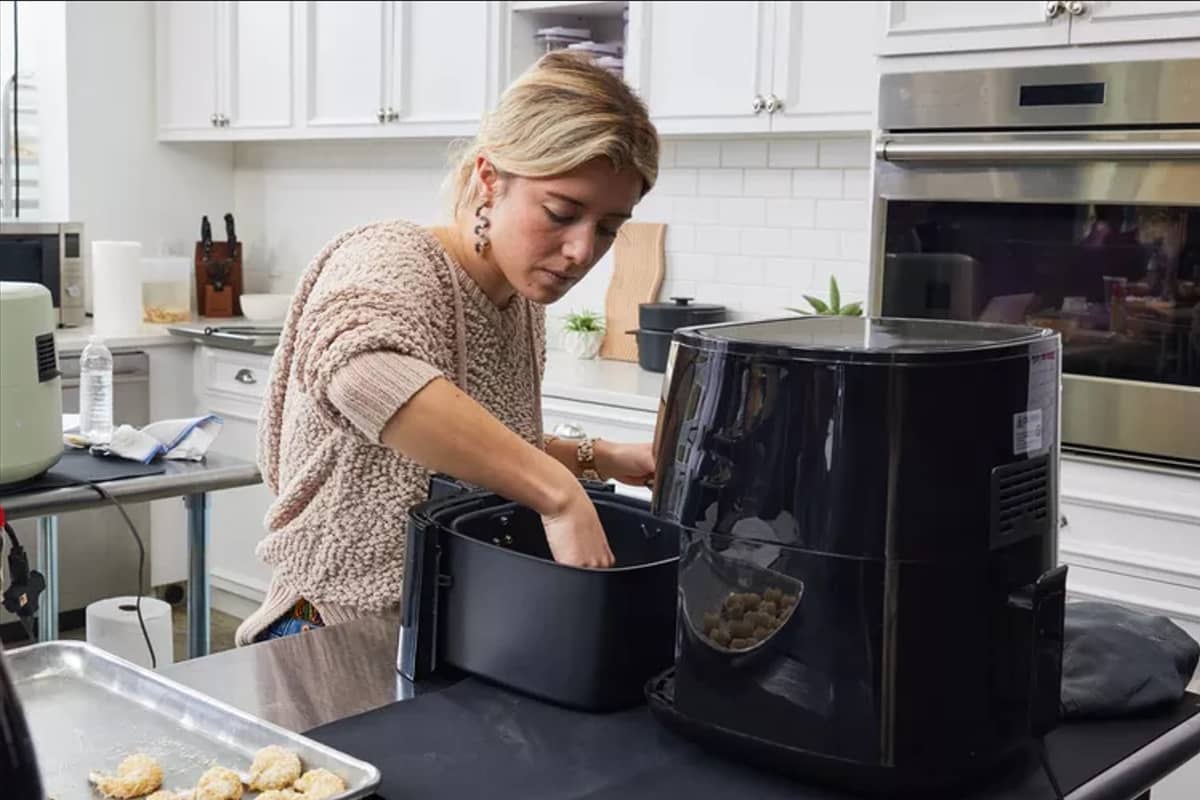
A HOME cook opts for quick, low-heat meal preparation, avoiding additional warmth from prolonged stove cooking.
PHOTOGRAPH courtesy of food and wine
To maximize this, open windows on opposite sides of your home to create a natural cross-breeze. Even a small draft can make a noticeable difference in comfort.
Use fans strategically, not randomly
Fans don’t lower temperature, but they make your body feel cooler by improving air movement. Ceiling fans are especially effective when set to rotate counterclockwise during summer, pushing cooler air downward.
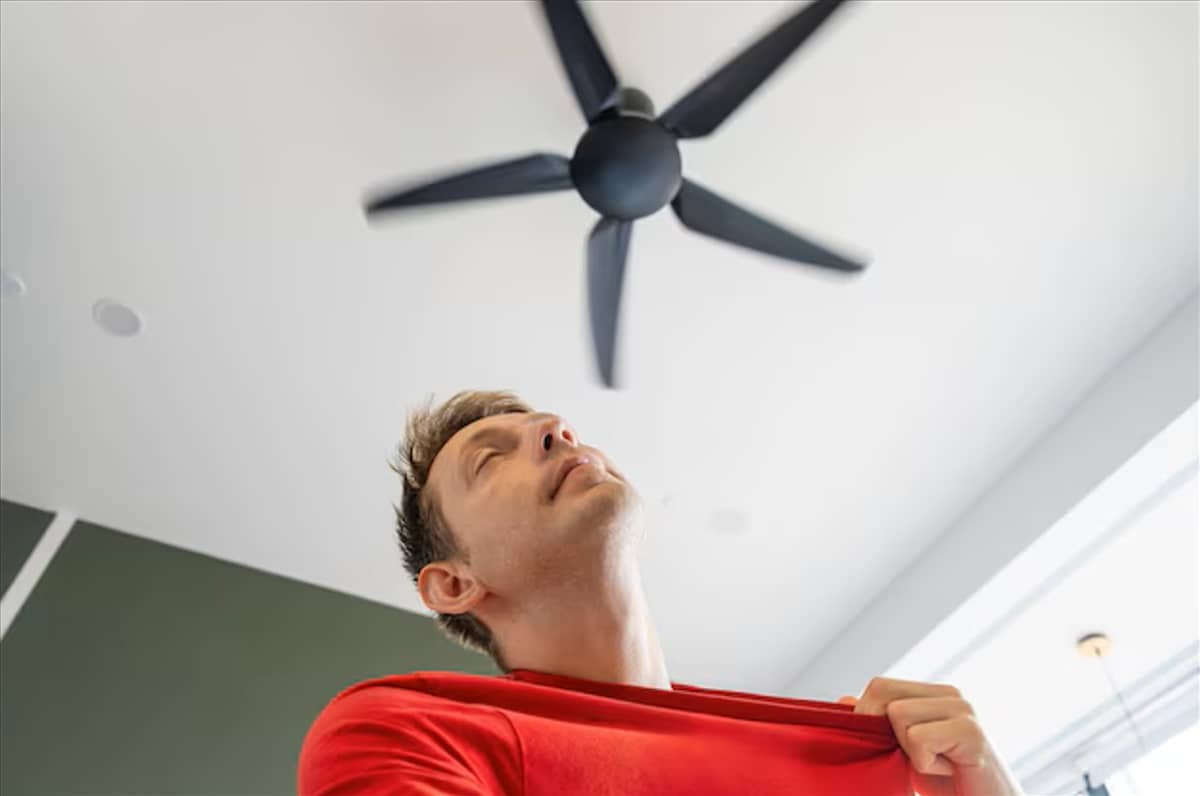
A CEILINGfan spins steadily in a living room, circulating air to ease the heat during a humid summer afternoon.
PHOTOGRAPH courtesy of freepik
For an extra cooling hack, place a bowl of ice or cold water in front of a fan. As the air passes over it, it creates a cooler breeze that can help during especially hot afternoons.
Reduce indoor heat sources
Sometimes, the heat inside your home comes from everyday activities. Appliances, cooking, and even lighting can raise room temperature.
Switching to LED bulbs helps reduce unnecessary heat buildup since traditional bulbs release more warmth.
You can also reduce cooking heat by preparing lighter meals or using appliances like microwaves and air fryers instead of long stove cooking during peak heat hours.
Bring nature indoors
Plants do more than decorate a room—they help regulate temperature and improve air quality. Plants like aloe vera, snake plants, and areca palms can slightly cool surrounding air through natural moisture release.
Placing plants near windows can also help filter sunlight and reduce heat entering your home.
Keep heat out
with simple home habits
Small adjustments can make a big difference:
Close doors to unused rooms to trap cooler air where you need it
Keep electronics off when not in use to reduce heat output
Avoid opening ovens or using heat-heavy appliances during midday
Use light-colored bedding and clothing indoors for better heat comfort
Think Long-Term: Heat-Resistant Home Choices
If you want a more lasting solution, consider upgrades like reflective roof paint, insulation, or shaded outdoor spaces. Even small changes—like adding awnings or planting shade trees—can significantly reduce heat entering your home over time.
Staying comfortable during summer isn’t about fighting the heat—it’s about working with your environment. By combining smart habits, better airflow, and heat-conscious home choices, you can turn your space into a naturally cooler refuge.
Sometimes, the difference between a hot, tiring day and a refreshing one is just a curtain closed at the right time or a window opened at the right hour.