
DepEd pushes use of local education funds to close school resource gaps

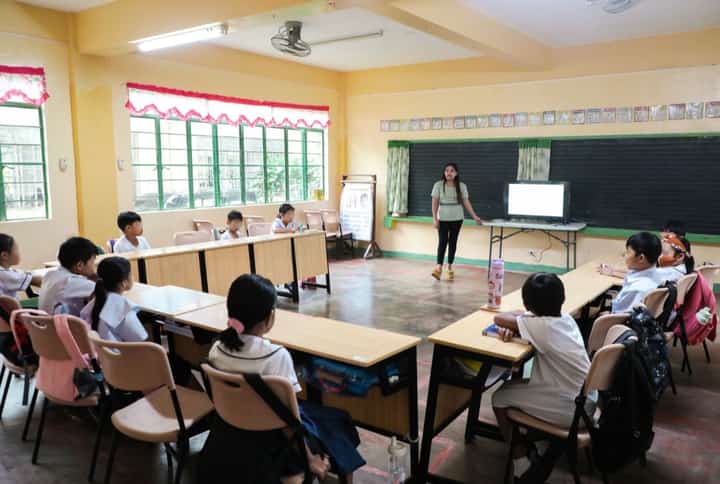
The Department of Education (DepEd) is pushing for a more strategic use of the Special Education Fund (SEF) to finance additional classrooms, improve school facilities, and expand learning support programs across public schools nationwide.
The SEF comes from an additional 1 percent real property tax collected by local government units and is intended to directly fund education-related needs at the local level, including school construction, repairs, and equipment.
“Sa pamamagitan ng pag-maximize sa mga lokal na pondong ito, masisiguro natin na walang komunidad ang mapag-iiwanan sa ating hangarin para sa de-kalidad na edukasyon,” Education Secretary Sonny Angara said.
Under the revised framework, the SEF may now also be used for expanded programs such as school feeding, early childhood care, and targeted academic recovery initiatives.
Local School Boards are now required to adopt a six-year SEF Investment Program to guide long-term infrastructure and education spending, moving away from short-term or fragmented allocations.
DepEd said the updated guidelines align with its key priorities, including teacher welfare, improved learning environments, learner well-being, efficient delivery of instruction, and workforce readiness.
To ensure accountability, local treasurers and budget officers are required to submit quarterly and annual reports, while schools division offices must track and report school-level allocations from national government funds.
DepEd said the streamlined system is intended to turn the SEF into a more effective financing mechanism for improving public school facilities and learning conditions nationwide.