
SM’s energy strategy: Easing the grid, enriching lives
As SM continues to invest in solar power, it helps ease the strain on the grid, makes electricity more available to communities, and keeps mall operations running smoothly — allowing its customers to be part of a broader effort to keep the country moving forward. It’s a win-win for everyone.

SM Supermalls twin energy-saving strategies — reducing mall operating hours and generating their own solar power — directly reduce the demand for electricity from the national power grid. Easing this load creates a cascade of positive effects for all other electricity consumers.
By having a stable electricity supply, the grid is less likely to trip during peak demand preventing brownouts. For homes, this means families can rely on lights, fans and refrigerators, especially during hot summer afternoons and evenings, while keeping the appliances safe from power fluctuation.
Schools using digital tools, computers, or even basic lighting and electric fans can hold classes as scheduled. Hospitals can rely less on emergency generators to power ventilators, incubators, dialysis machines, operating rooms, blood banks, and vaccine refrigerators and freezers. A brownout can ruin millions of pesos worth of medicine.
Sari-sari stores, restaurants, computer shops, printing services, beauty salons and other businesses can stay open for full business hours, serving customers and generating income. Factories can keep production on schedule, jobs protected and supply chains stable. Rail systems and electric vehicles can serve thousands of commuters.
Police stations, fire departments and disaster rescue centers remain fully functional without switching to backup power, enabling faster emergency response.
Two-pronged strategy
In the Philippines, the mall is more than a place to shop. It is a second home. It is where families spend hot weekend afternoons, where teenagers meet friends, where senior citizens walk for exercise in air-conditioned comfort, and where communities gather during holidays. The mall even serves as a safe haven during emergencies, when commuters and motorists get stranded during bad weather.
SM Supermalls has always understood this. That is why, for decades, it has worked to keep the doors of its malls open and its lights on for businesses and for the millions of Filipinos who rely on these spaces as part of their daily lives, including those who come in simply to cool down and find relief from the heat.
Now, amid rising energy costs and summer temperature, SM’s commitment to sustaining communities is once more at the forefront. It does this through a two-pronged strategy of shortening mall hours and lessening pressure on the national power grid by utilizing renewable clean energy generated through its extensive, nationwide solar PV systems.
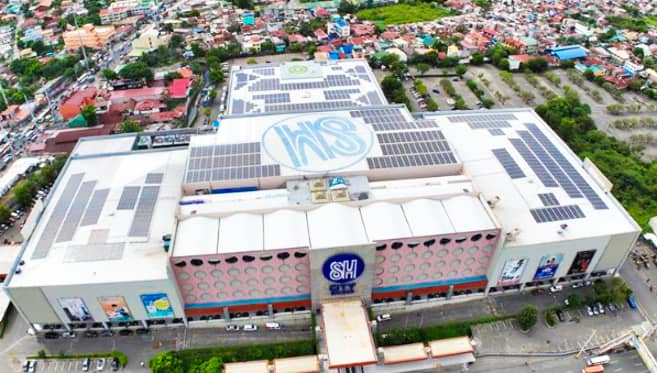
SM City Bacoor.
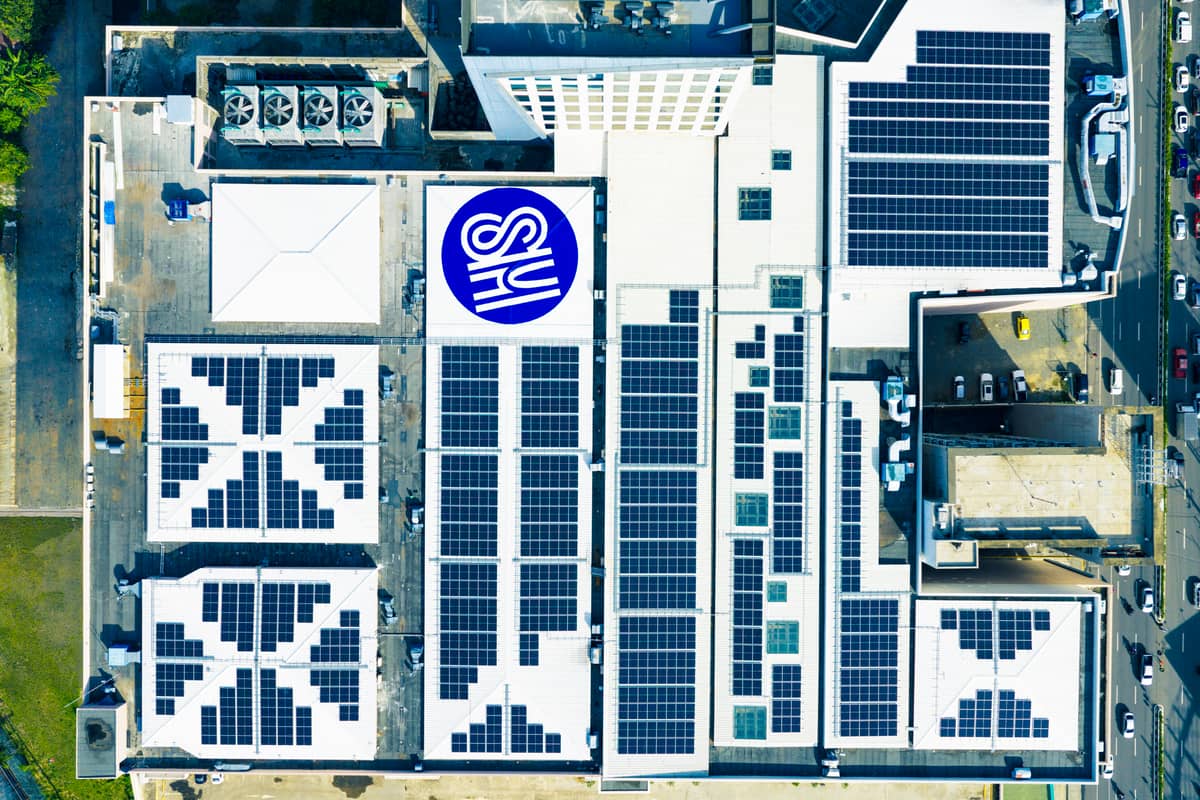
SM CDO Downtown.
SM was the first among mall operators in the country to announce shortened mall hours across its nationwide network of most-loved SM Supermalls last 26 March. The strategic shift came as a direct response to the urgent need to conserve power nationwide, ensuring SM effectively manages resources amid the crisis.
Combined with the malls generating their own power, the electricity that SM no longer draws from the national grid becomes available to surrounding communities. In a way, it’s a form of sharing — by using its own solar power, SM leaves more electricity in the grid for barangays, neighborhoods, and the families living just outside the mall. There is also enough power for schools, hospitals and other essential services.
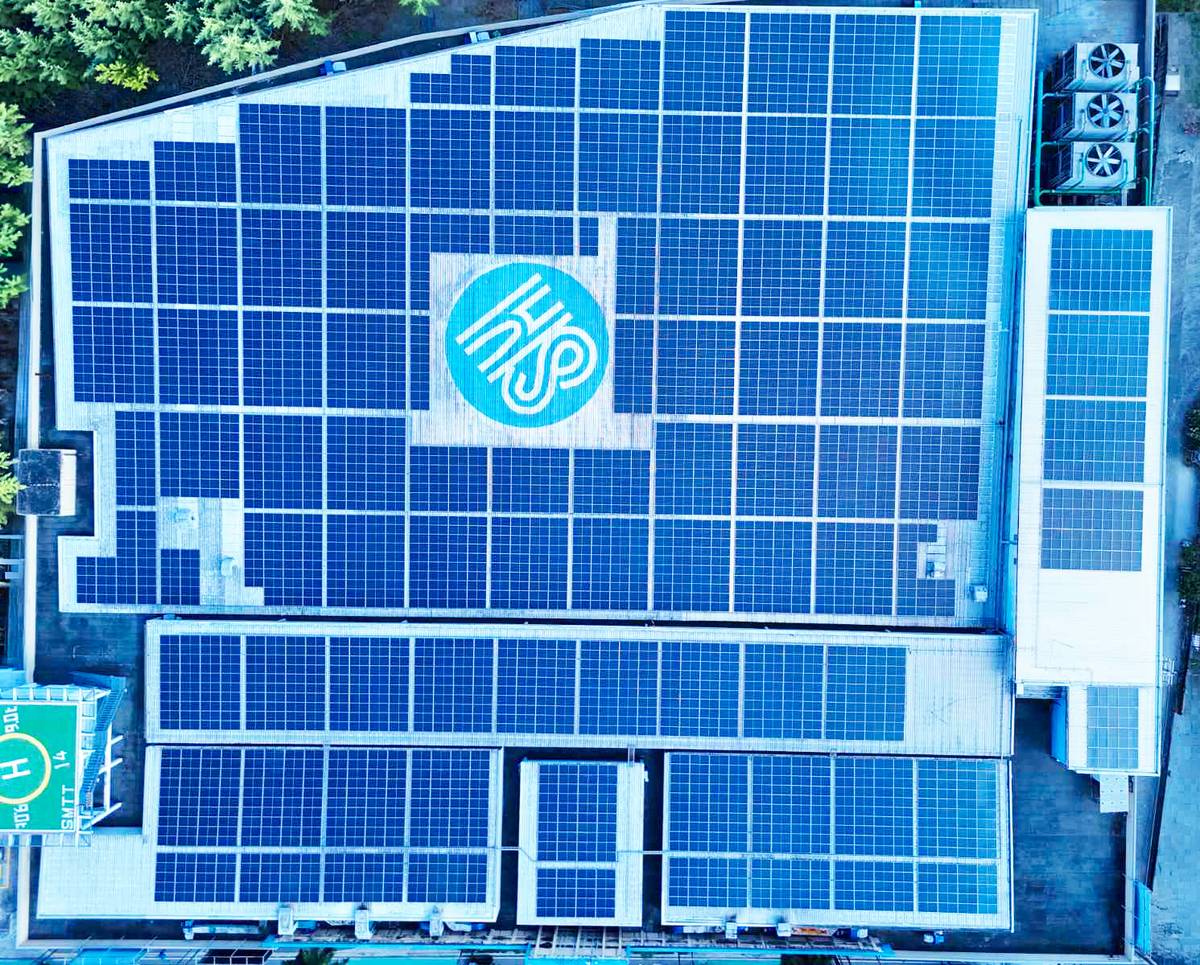
SM City Taytay.
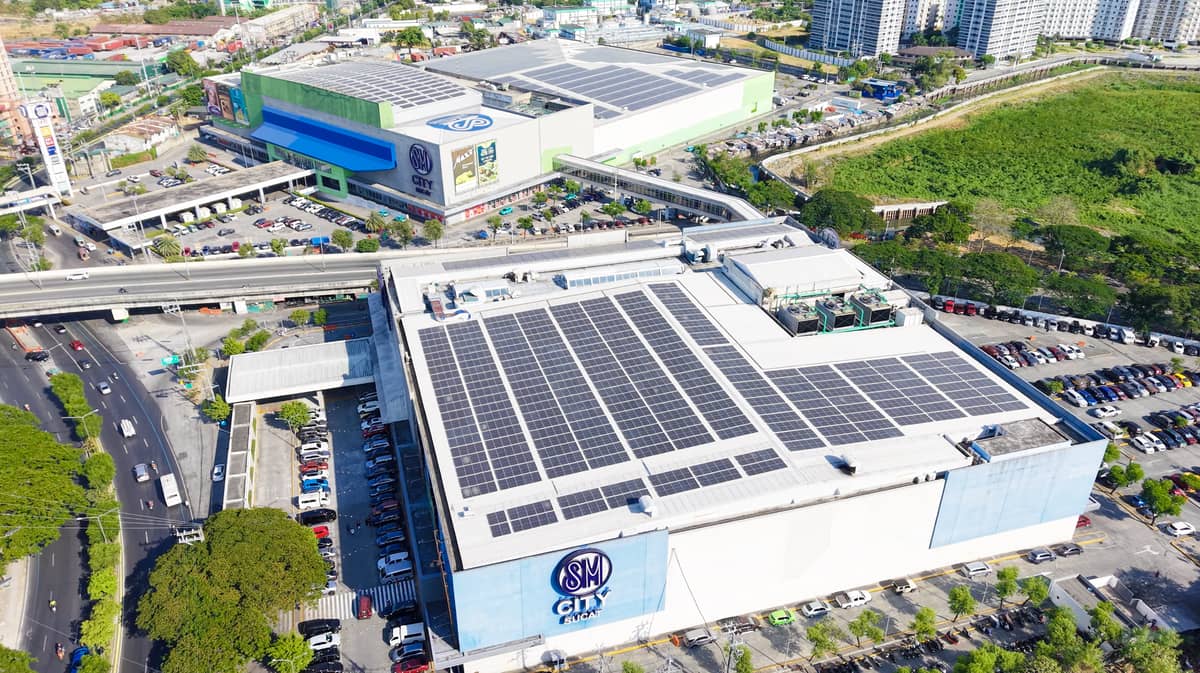
SM City Sucat.
Solar is not just for saving energy but for sustainability, relying on renewables. In fact, SM now generates more solar power than any other property developer in the country. Its nationwide network of solar panels generates renewable energy equivalent to 106 megawatt-peak.
That amount of electricity powers 12,400 escalators in all SM malls. It can light more than 486,000 LED bulbs with a wattage of 30 watts for 12 hours. Or independently power the whole of SM City North EDSA for two years straight.
Solar power keeps the mall running smoothly — the lights, the escalators, the air conditioning, the elevators. That means when you visit your favorite SM Supermall, you can expect the same safe, comfortable and reliable experience you have always loved.
A win-win solution
Equally important, SM’s nationwide network of solar panels ensures that essential services remain accessible when people need them most. Every kilowatt of electricity that SM itself generates is a kilowatt that stays available for homes, schools, groceries, pharmacies, banks and other businesses in the surrounding areas. This is especially critical during El Niño, when demand for electricity soars and the risk of power outages increases.
For the nation as a whole: SM’s approach offers a practical, working example of how large institutions can help ease the country’s energy challenges. No complicated technology. No sacrifice in comfort. Just smart, responsible management that benefits everyone.
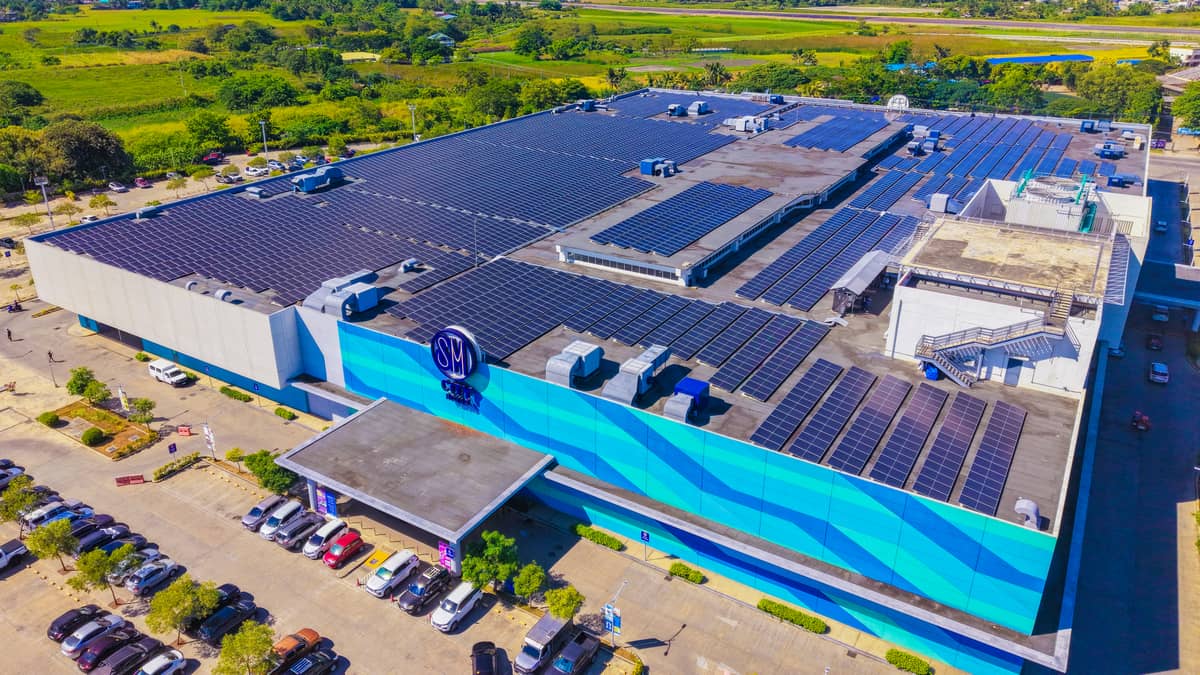
SM City Roxas.
SM Supermalls are not just buildings. They are landmarks. They are meeting points. They are woven into the fabric of communities from Luzon to Visayas to Mindanao. And because SM operates at such a large scale, its energy decisions have a large impact.
As SM continues to invest in solar power, it helps ease the strain on the grid, makes electricity more available to communities, and keeps mall operations running smoothly — allowing its customers to be part of a broader effort to keep the country moving forward. It’s a win-win for everyone.