
Meralco Enjoins Businesses to Embrace Energy Efficiency Amid Global Uncertainty
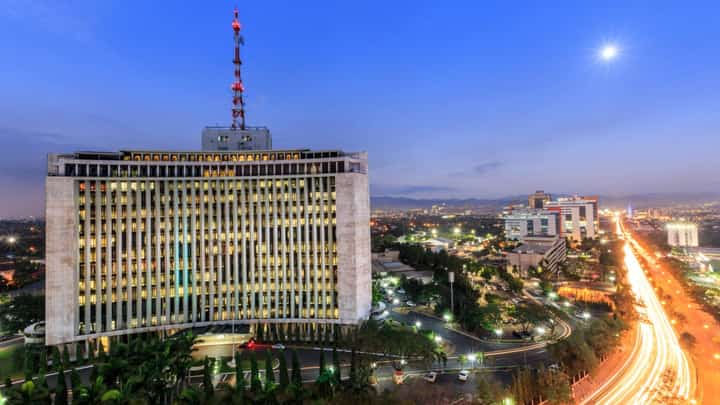
ENERGY efficiency for resilience. Meralco is calling on commercial and industrial establishments to embrace energy efficiency not only to save on power costs but as a resilience strategy in light of prevailing global uncertainties due to the Middle East conflict. Seen in the photo is the Lopez Building located in the Meralco Operating Center in the Ortigas business district.
As the dry season persists, businesses are once again bracing for surging electricity consumption — driven largely by longer and more frequent cooling needs.
This year, however, the challenge is compounded by global factors, with the ongoing tensions in the Middle East driving volatility in international energy markets and reinforcing the need for more efficient energy management.
The Manila Electric Company (Meralco), the country’s largest electricity distributor, has been proactively implementing all necessary measures to contain the impact of the current situation and ensure continuous delivery of stable, reliable, and least-cost service to its customers.
“We want to ensure adequate supply of power and manage price volatility as responsibly as possible,” Meralco chairman and CEO Manuel V. Pangilinan said.
Meralco has been supporting measures that the government has undertaken to manage the situation, particularly on implementing demand-side practices to manage consumption.
The Department of Energy (DoE) recently joined a Meralco-organized webinar where they renewed the call to commercial and industrial establishments to incorporate energy efficiency practices in their operations.
“How we consume energy is what we can control. Supply is outside of us. For businesses, there are opportunities for you to do an energy audit or a spot check. Get a professional and go around to see the opportunities you have. Think of energy efficiency as an opportunity not as an obligation,” DoE Energy Utilization Management Bureau Director IV Patrick Aquino had said.
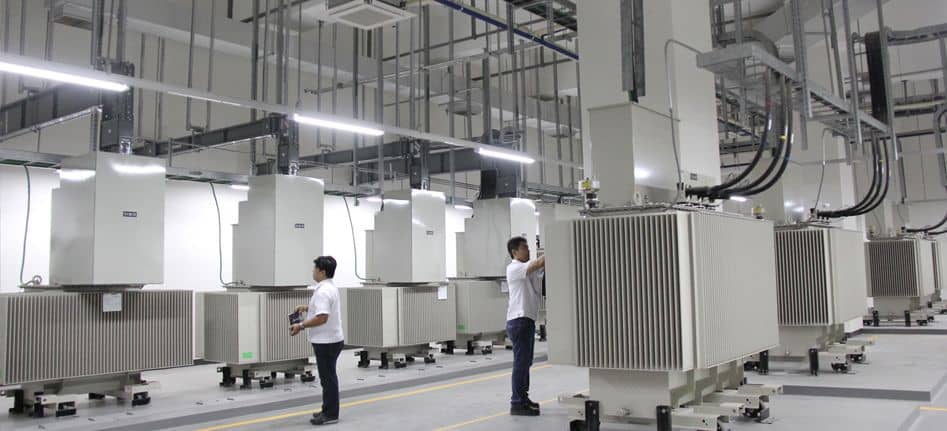
Energy efficiency as a resilience strategy
With uncertainty clouding global markets, embracing energy efficiency has become a resilience strategy as industries navigate external pressures. For businesses, especially those operating in energy-intensive sectors, smarter and more efficient energy use during the dry season can help cushion rising operating expenses while contributing to broader energy security.
Meralco is empowering commercial and industrial establishments with energy efficiency knowledge and tools that they can use not just this dry season but all year long:
1. Go against the flow: Move Energy-Intensive Operations to Off-Peak Hours. Take advantage of off-peak hours under Meralco Peak-Off Peak (POP) program, which is designed to help enterprises to lower their total electricity expenses through rates based on peak and off-peak periods.
Electricity demand drops during offpeak hours from 9 p.m. to 8 a.m. from Monday to Saturday, and from 12 a.m. to 6 p.m. and again from 8 p.m. to 12 a.m. during Sundays. During these hours, generation costs are lower.
Businesses that shift energy intensive activities — such as bulk production, equipment testing, or heavy machinery use — to these hours can significantly reduce operating expenses, even when running at full capacity.
A mindful review of workflows may reveal processes that do not need to happen during peak demand. For facilities able to adjust operating schedules, the savings can be substantial over time.
2. Make the switch: LED is the way to go. Lighting may seem like a minor cost driver, but it steadily drives up energy use across offices, warehouses, and production floors. This is why switching to LED lighting remains one of the most effective efficiency upgrades. LEDs use up to 87 percent less energy than incandescent bulbs and around 50 percent less than compact fluorescent lamps (CFLs). On top of that, they last up to five times longer.
3. Set the right temperature: Optimize the use of cooling appliances. For offices, 25°C is often cited as the ideal thermostat setting — but comfort and productivity should also guide decisions. Meralco Power Lab tests show that businesses can save 5 percent to 8 percent on energy costs for every one degree setback in thermostat settings.
Temperature settings however are different for freezers or chillers in industrial settings. Large machines generate intense heat, and without proper cooling, that heat can lead to inefficiency, wear, and costly breakdowns. Ensuring adequate airflow, heat dissipation, and exhaust — sometimes with the help of cooling towers — is not just about energy savings, but longterm asset protection.
4. Mind the filters: Maintain cleanliness of Heating, Ventilation and Airconditioning units. Something as simple as a dirty or clogged airconditioner filter can silently inflate electricity bills. Meralco Power Lab tests show that a single 1.0 horsepower window type airconditioning unit running eight hours nightly can rack up an extra P351 per month if the filter isn’t clean.
Multiply that across an entire office with multiple units, and the added cost becomes substantial. Regularly cleaning or replacing HVAC filters improves airflow, lowers power consumption, optimizes use, and helps prevent unnecessary wear and tear.

5. Choose smart: Maximize energy efficiency with the right appliances. Check office appliances to ensure that everything remains in top condition and working properly. From office computers to pantry appliances, every piece of electrical equipment draws power — and even minor defects can undermine energy saving efforts.
Airconditioning is a prime example. Choosing the right horsepower for a given space ensures efficient cooling without overloading the system. Appliances and lighting in common areas should also match actual usage patterns, operating only when needed and at optimal capacity.
Call for bayanihan
Beyond energy efficiency and conservation, Meralco is also encouraging more commercial and industrial establishments to join the Interruptible Load Program (ILP) as a form of bayanihan.
The ILP is a voluntary demand-side management program where participants temporarily reduce load to help stabilize the grid when supply is limited. Anchored in the spirit of bayanihan, the ILP can also help in enhancing grid readiness and protect households and small businesses during potential supply tightness or Red Alert conditions.
“We continue to encourage enrollment because the program becomes more effective the more we have customers that can participate. For the benefit of the participants, the frequency of de-loading may be reduced if we can call on more customers. Within the ILP participant pool, we can also rotate who will be called to de-load,” Meralco Generation and Transmission Economics lead specialist Ma. Leticia L. Sapina said.
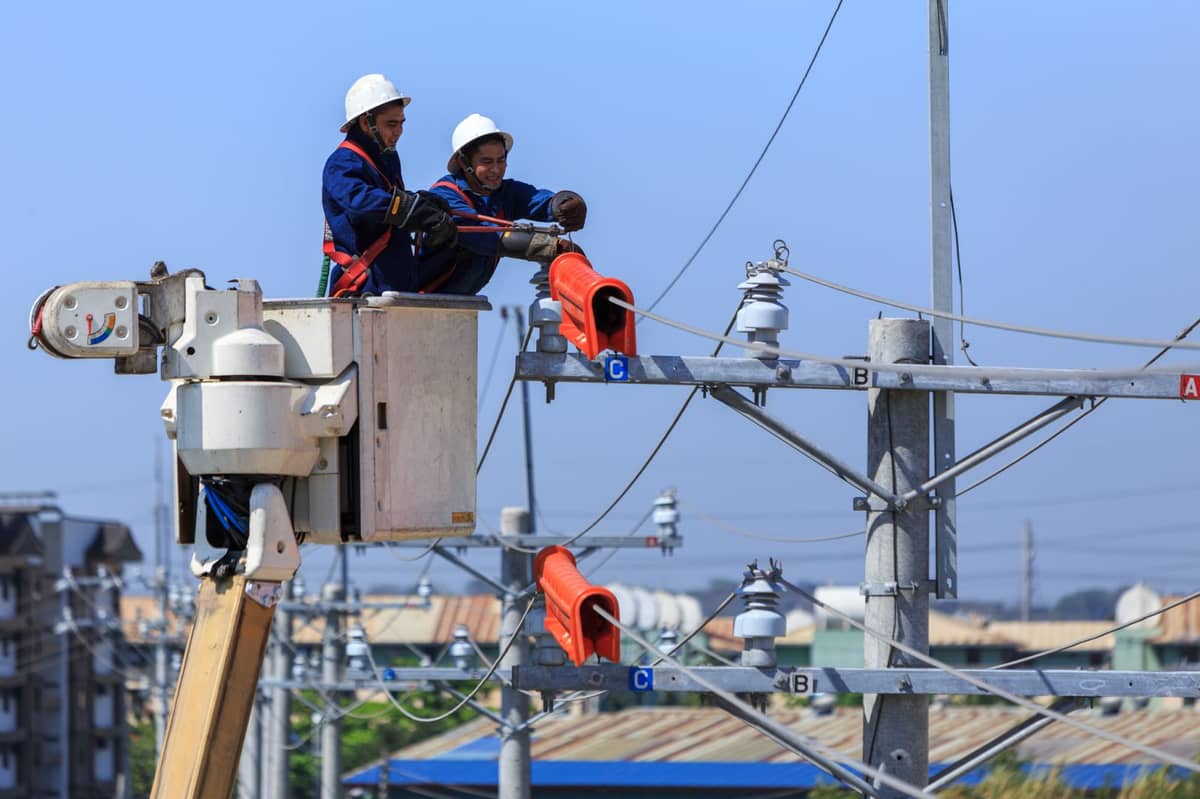
PHOTO shows Meralco crews conducting maintenance works.
As of March 2026, there are 102 companies currently enrolled in the program, bringing the total de-loading capacity to 526 megawatts.
Meralco is proactively engaging more customers to increase the available de-loading capacity under the program. Since 2014, Meralco’s implementation of ILP has spared as many as 3 million households from rotating power interruptions. Collectively, these demand-side management measures help ensure system reliability for millions of consumers.
Meralco continuously works together with the DoE and other industry stakeholders in advancing energy efficiency and conservation because smart, daily consumption habits help cushion households and businesses from the impacts of heat-driven demand and shifts in global fuel prices.