
Is ‘tropahan’ culture killing Pinoy cinema’s imagination?
Maybe the industry is too busy fighting itself in cliques to move forward.


“Malaking problema (Big problem),” said Clodualdo del Mundo Jr. bluntly last 28 March during the talkback for Milo Tolentino’s documentary Del Mundo, when I asked about the current state of Philippine cinema. Del Mundo, a legendary screenwriter, filmmaker, and academic behind classics like Maynila, Sa mga Kuko ng Liwanag and Batch ‘81, knows the industry’s DNA better than most.
He noted that independent films are now the only thing “keeping the industry alive,” while mainstream cinema continues to lose its connection with audiences who prefer online content over the theater.
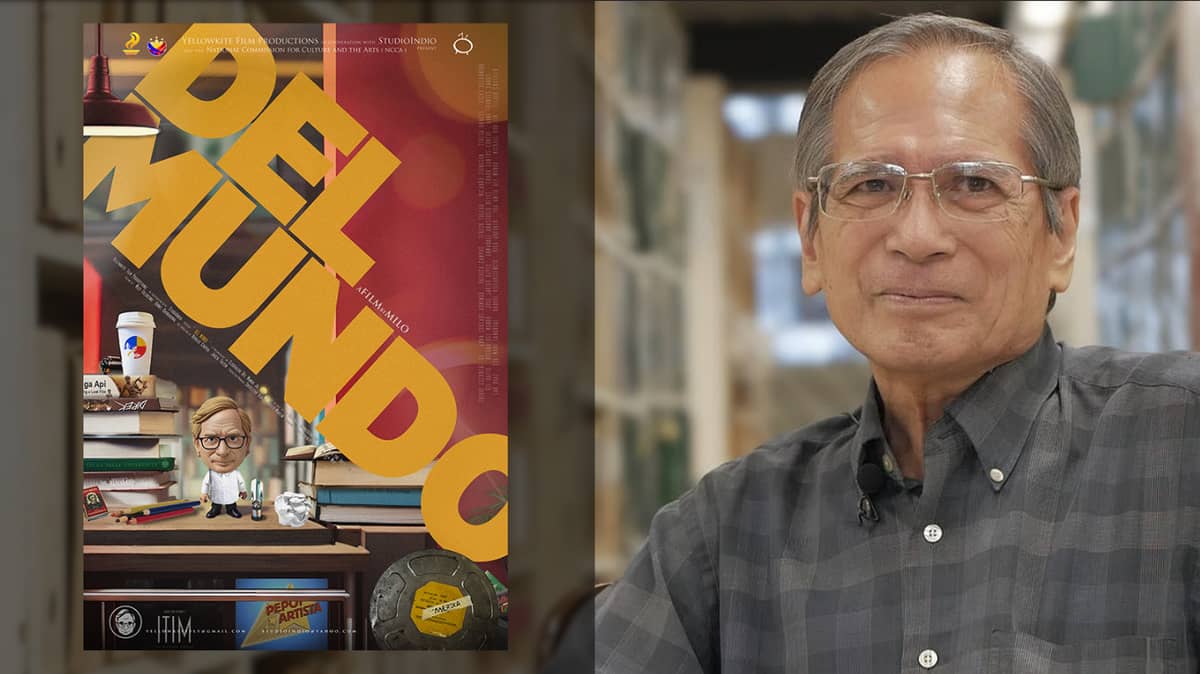
‘DEL Mundo’ by Milo Tolentino honors Clodualdo del Mundo Jr. ’s lifelong devotion to education, film and public service; his pioneering role in shaping Philippine film education and his enduring impact on institutions and generations he helped build and uplift.
Photographs courtesy of NCCA/The Southern Project/ Facebook
Politics and ‘tropahan’
It is quite obvious that Philippine mainstream cinema is reducing art only to bankable stars and not investing in sharp storytelling. Meanwhile, non-showbiz Pinoy creators on TikTok and YouTube are making resonant, original content for nothing, proving that talent isn’t the issue.
So, is this industry actually based on talent? Or meritocracy?
Film director Benedict Mique (ML, MOMOL Nights, Lolo and the Kid) went there in a personal Facebook post last 2 April: “Mag-aral na lang kayong chumika, tumropa o lumandi, mas malayo mararating niyo maski hindi ka magaling… Yan ang choice niyo sa industry na ito. Maging machika o maging magaling… echos lang. (Just learn how to gossip, network, or flirt — you’ll get way further even if you’re not actually good. That’s your choice in this industry: be a social climber or be talented. Just kidding.)”
He later commented on my Film Check column on 29 March via Facebook, proving he was not actually kidding: “Sa industry din dami kase pulitika at tropahan. Kahit gaano kapangit o kaganda ang gawin mo pag di ka tropa waley ka. Maski mga streaming at networks o producers napasok na ng tropahan na yan kaya dont be surprised na paulit ulit at pangit napapanood niyo. (There’s too much politics and ‘cliques’ in the industry. It doesn’t matter how good or bad your work is — if you’re not in the ‘inner circle,’ you’re nothing. Even streaming sites and networks are run by these groups now, so don’t be surprised if the movies you see are bad and repetitive.)”
Is government funding the answer?
The same logic applies to funding. Government grants can help produce films, but they don’t automatically create demand. Audiences don’t buy tickets based on where the money came from. They show up when they believe the film is worth watching.
At the same time, it’s important to distinguish where that funding goes. Support from institutions like the Film Development Council of the Philippines is largely directed toward independent and development projects, not mainstream commercial releases.
But if funding isn’t the issue, what is happening on the mainstream side?
But Mique commented that there is money: “Sayang ang daming pera sa pilipinas, daming budget sa pelikula ang nasasayang din pero pangit kinalalabasan. I even heard of an MMFF entry na 125m daw ang ginastos pero ilang sinehan lang naipalabas at di daw talaga maganda to the point na mismong producer ng pelikula nag walk out. (It’s such a waste of funds. So much budget goes into films that end up looking terrible. I even heard of an MMFF entry that cost 125 million pesos but only got a few screenings because it was so bad that even the producer walked out.)”
The blame game
The narrative that “the audience is the problem” is getting old. We have to face the truth: Pinoy viewers aren’t skipping local movies out of spite. They’re ghosting the cinemas because they’re tired of recycled tropes, lazy quality and zero risk-taking. These are structural industry rot and not audience failures.
In a Rolling Stone Philippines piece by Don Jaucian (30 July 2025), the industry admitted as much. Yet, Jose Javier Reyes told Mel Wang (August 8, 2025): “But let us be aware that if we want to bring back the life, the vibrancy, and the significance of Filipino cinema, it’s not just the job of filmmakers… it’s the job of the audience. It all depends on the audience. Kung hindi tayo maniniwala sa gawa ng Pilipino, sino ang maniniwala sa atin? (If we don’t believe in the work of the Filipino, who will believe in us?)” He demanded “wastong respeto (give the films proper respect),” claiming that skipping local films hurts our national identity.
That’s a weak argument. Cinema lives on trust, not a sense of duty. To say “it all depends on the audience” is like asking for a standing ovation before the show starts. Reyes made a clear point in 2022 when he opposed Senator Jinggoy Estrada’s call to ban K-dramas to push Filipinos toward local content. He argued that the Philippine industry doesn’t need restrictions—it needs "better storytelling."
Cinema is now a value test
Going to the movies in 2026 is an investment. Between tickets, gas and snacks, it’s a pricey outing. But Filipinos have the money — they’re just pouring it into travel, dining and Pinoy theater plays (which is currently booming despite ticket prices being triple those of a movie pass). So, it’s not “colonial mentality” keeping them away from cinemas. Pinoys aren’t choosing foreign films out of bias, but because of what they believe will actually entertain them.
Also, aggressive marketing and influencer hype might buy you a big opening weekend, but they can’t sustain a career. When a film overpromises and underdelivers, the audience remembers. Hence, that disappointment turns into long-term distrust.
The bottom line
Audiences haven’t quit on Filipino stories. I myself am always hungry for Filipino films, and I usually find them at independent film festivals like Cinemalaya, or in Filipino stage productions, where houses remain packed.
People are rejecting mainstream laziness, not the culture. Netizens agree — Deyb Aguilar responded to my same column piece: “Same same lang lahat (It’s the same old thing),” and Nøjh Lëûrällïv notes that themes are “always being copied from another.”
Mique teased his own project in the same Facebook comment: “O sige may gagawin kaming pelikula, maganda ito panoorin niyo. Baka dami niyo kuda maski maganda di naman kayo nasuporta hehe. (Fine, we’re making a movie — it’s going to be good, so go watch it. You all might have a lot to say, but you might not even show up to support it even if it’s actually great, haha.)”
Maybe the industry is too busy fighting itself in cliques to move forward.And here’s the reality, dear filmmaker: support isn’t a debt we owe you. If the trust is restored and the work is actually good, we’ll be there. Give us a reason to believe.