
'Pasmado' may signal nerve damage, experts warn
A new guideline reframes the role of pharmacists from simple medicine dispensers to proactive care partners in detecting peripheral neuropathy (PN).


“Pasmado ka lang.” That familiar dismissal can be dangerous, because symptoms like pamamanhid, tusok-tusok, or burning pain may point to peripheral neuropathy (PN). This is a condition where a "communication breakdown" happens between your brain and your body because your nerves are damaged.
The condition is common in people with diabetes, but it can also affect others due to vitamin deficiencies, infections, alcohol misuse, or certain medications.
Health experts at a recent P&G Health Asia Pacific Virtual Media Roundtable held on 16 April warn that ignoring these sensations could lead to permanent nerve damage. Ignored PN can lead to loss of sensation, chronic pain, and serious complications like foot ulcers that may go unnoticed. In severe cases, this can progress to infections and even limb amputation, drastically affecting mobility and quality of life.
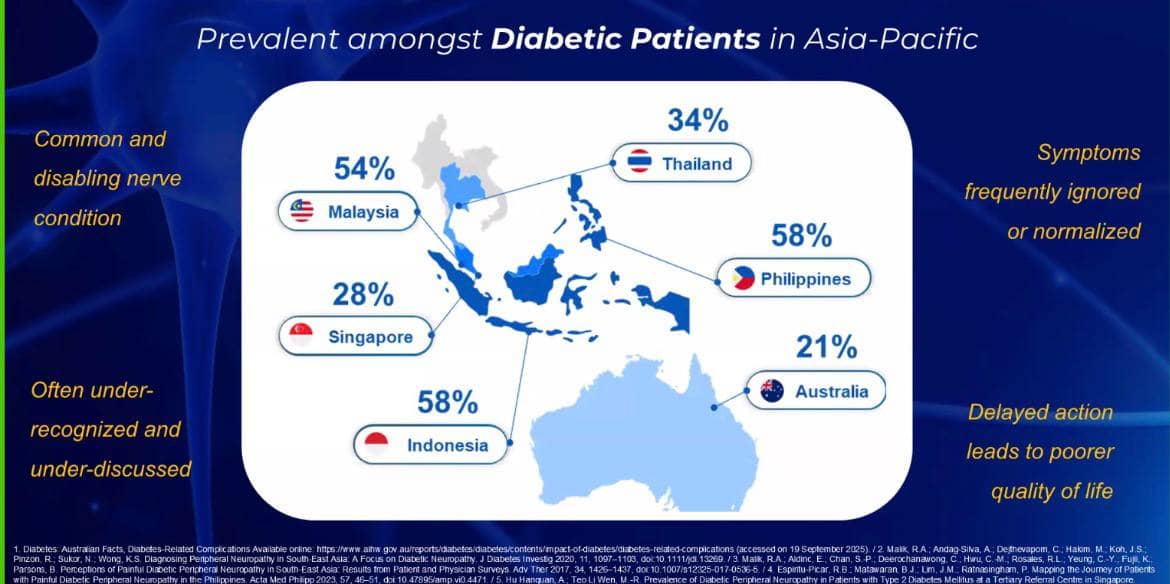
The session, chaired by Dr. Yolanda R. Robles from UP Manila, highlighted a startling reality: up to 80 percent of peripheral neuropathy cases in the region remain undiagnosed. This is particularly concerning for elderly individuals and those living with diabetes. Because nerve damage is often gradual, many patients don't realize they have a problem until it affects their mobility or quality of life.
P&G
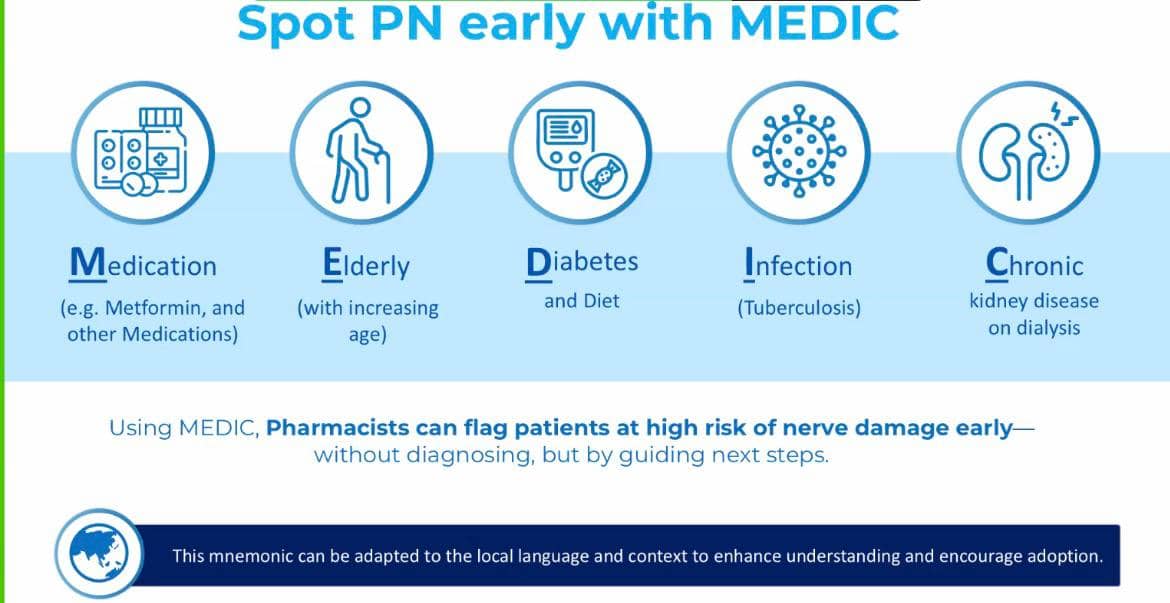
The new guideline reframes the role of pharmacists from simple medicine dispensers to proactive care partners. Instead of just waiting for a prescription, pharmacists are being trained to use a special tool called the MEDIC mnemonic. By looking at a patient’s Medications, age (Elderly), Diabetes status, history of Infections, or Chronic conditions, they can identify who is at risk before the damage becomes irreversible.
P&G
One of the biggest hurdles in the Philippines is the sheer volume of people at the drugstore. When DAILY TRIBUNE asked about long queues that prevent pharmacists from helping detect PN, Dr. Kenny James P. Merin acknowledged the challenge, but explained a practical shift in how they work. He noted that pharmacists now practice "micro-counseling," focusing on the most critical health points during those few minutes at the counter.
“In the Pacific markets, we know that the pharmacist is the trusted person that patients go to when they want to talk about their symptoms and ask for recommendations. So making sure that they have the tools and the time to enable this would be critical,” said Dr. Merin. He suggested that for more in-depth conversations, patients can even return during off-peak hours to ensure they get the attention they need.

Beyond just spotting symptoms, these guidelines help pharmacists distinguish between simple muscle pain and actual nerve pain. They are now better equipped to recommend appropriate neurotropic B vitamins—specifically B1, B6, and B12—which are essential for nerve repair. They also play a vital role in stopping the trend of improper self-medication, ensuring patients get the right treatment or a timely referral to a doctor.
Ultimately, this initiative aims to change the conversation around nerve health. By turning a casual complaint of being "pasmado" into a professional health assessment, the medical community hopes to catch nerve issues early, keeping Filipinos mobile and pain-free for longer.