
Fisheries mapping targets climate risks in Ilocos
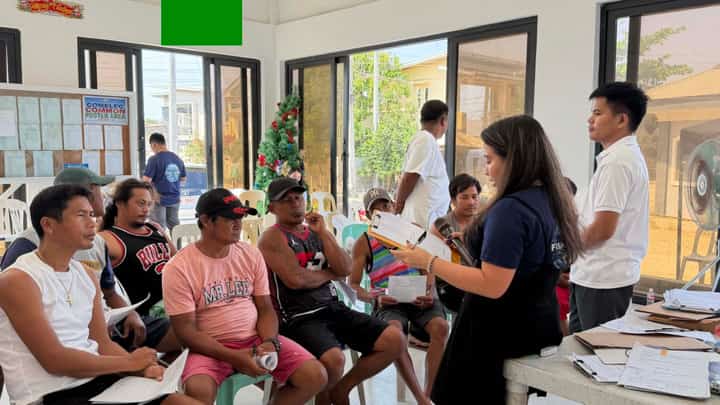
Efforts to protect coastal livelihoods from climate threats are gaining ground as the National Fisheries Research and Development Institute completed a series of field assessments in Ilocos to identify vulnerable fisheries and guide targeted interventions.
The initiative, conducted in Magsingal, Currimao, and Pasuquin in March, combined focus group discussions and cost-benefit surveys to pinpoint key commodities and measure the risks faced by fishing communities. The results are expected to shape future policies aimed at sustaining production and reducing climate-related losses.
“Through the CRVA, we aim to generate science-based data and insights that will guide our interventions, helping our fisherfolk adapt, build resilience, and secure their future in the face of a changing climate,” said Maria Theresa Mutia.
Initial findings showed that milkfish and tilapia remain priority species for aquaculture across the sites, while tuna, scad, and rabbitfish dominate capture fisheries. Other locally significant species, including shrimp, oysters, and dolphinfish, were also identified depending on the area.
Beyond commodity mapping, stakeholders assessed the exposure and adaptive capacity of coastal communities to climate hazards. These inputs were combined with hazard data to rank vulnerabilities and determine priority actions for each locality.
The agency also conducted direct interviews with fisherfolk to evaluate the potential costs and benefits of proposed interventions. Officials said this approach ensures that planned measures are both practical and economically viable.
The project forms part of the government’s broader push to strengthen fisheries resilience under the FISHCORE program, which focuses on data-driven planning and community participation. Authorities said the effort will help guide investments, improve resource management, and support long-term food security in climate-exposed coastal areas.