
Heat risks rise, CCC pushes local action

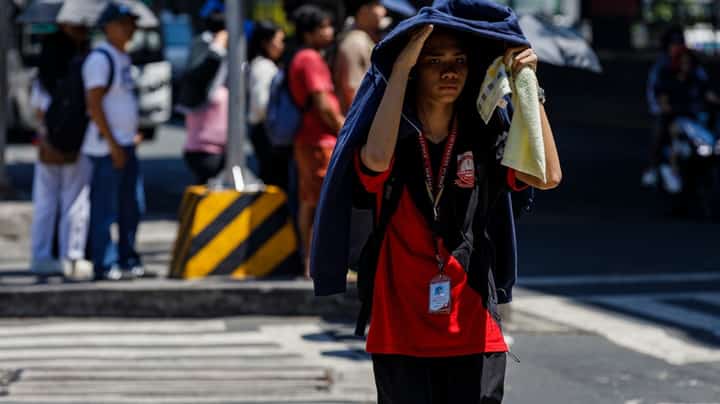
The Climate Change Commission (CCC) underscored the urgency of localizing the National Adaptation Plan (NAP) 2023-2050 to local government units (LGUs) as a key strategy to address intensifying heat indices.
The call was made during the Urban Heat and Drought Summit 2026 organized by the Quezon City government and CityNet on 14 April.
“This dry season, we continue to experience intense heat, which highlights the need for urgent and coordinated action. Through NAP localization, we provide a science-based roadmap that will guide the country in addressing heat risks while protecting key sectors and human health,” said CCC vice chairperson and executive director Robert E.A. Borje.
While national in scope, the CCC stressed that the effectiveness of the NAP depends on strong localization — translating strategies into concrete, community-level action that enables LGUs to respond directly to climate risks.
Arnold Grant S. Belver of the CCC’s Policy Research and Development Division emphasized the need for stronger coordination between national and local governments to ensure effective implementation.
“Strengthening the bond between the national government and local governments is essential to ensure that the NAP translates into concrete, inclusive, and climate-resilient actions for every Filipino community. The temperature is rising, but so is our resolve,” Belver said.
Extreme heat continues to intensify in urban areas. In Quezon City alone, heat index levels in 2024 and 2025 reached as high as 46°C, posing risks to public health, disrupting daily life, and straining energy and water systems.
“The NAP is a tailored-fit adaptation strategy for each locality, ensuring that interventions respond directly to unique climate risks and conditions,” Borje added.
Developed under the leadership of President Ferdinand R. Marcos Jr., the NAP serves as the country’s long-term roadmap to strengthen climate resilience and adaptive capacity toward sustainable development by 2050.
Quezon City Mayor Joy Belmonte highlighted the localized impact of climate change, particularly on vulnerable communities.
“Climate change is not felt in global averages — it is experienced by people in specific places,” she said.
The summit gathered CityNet member cities, national and local government agencies, the academe, private sector, development partners, and other stakeholders to drive coordinated action, share solutions, and accelerate climate adaptation efforts against urban heat and drought.