
Philippines scrambles as regional oil crisis hits

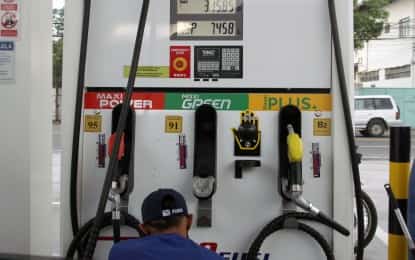
The Philippines has taken the most aggressive stance in Southeast Asia’s widening energy crisis, becoming the first in the region to declare a national energy emergency, but analysts say the move highlights vulnerability rather than leadership as oil supply disruptions ripple across economies
President Ferdinand Marcos Jr. warned that there is an “imminent danger of a critically low energy supply” and stressed that “urgent measures are necessary” to ensure stability, underscoring the urgency behind the Philippine's early response.
As global supply routes tighten, particularly those linked to the Middle East, governments across the region are racing to contain the impact of rising fuel costs. Brent crude has surged past P6,0000 per barrel, with prices climbing to as high as P6,600, placing additional pressure on import-dependent economies.
The Philippines, which relies heavily on imported fuel, has rolled out a broad set of interventions. These include subsidies and cash aid for vulnerable sectors, emergency procurement of oil, and efforts to diversify supply sources.
“We are exploring other sources not affected by the war,” Marcos said. “Things are beginning to open up … we can be confident that after the 45 days we will have a flow of oil.”
While these measures signal urgency, the Philippines still faces challenges. Storage capacity is limited, and the country relies heavily on imports, leaving it more exposed than regional neighbors.
Elsewhere in the region, responses have been more calibrated.
Thailand has imposed diesel price caps and is considering tax adjustments while securing additional fuel supplies. The government is also facing mounting pressure on its state fuel fund, which is nearing depletion as subsidies are used to keep prices stable.
Officials have warned that sustaining these measures may only be possible in the short term, raising the likelihood of either higher public borrowing or targeted subsidy cuts if global prices remain elevated.
Fuel price stabilization fund and strategic reserves, while expanding import channels had been Vietnam’s measures. Authorities have also moved to boost domestic refinery output and accelerate alternative energy programs, including biofuels. These steps aim to reduce immediate supply strain while building longer-term resilience against external shocks that have already driven transport and consumer prices upward.
Malaysia, benefiting from its status as an oil producer, continues to regulate pump prices but faces rising subsidy costs. The government has maintained a ceiling on fuel prices to shield consumers, but officials have acknowledged that prolonged high oil prices could strain public finances. At the same time, Malaysia is working to diversify its energy mix to reduce reliance on any single source of supply.
With its strong storage capacity, Singapore has drawn from stockpiles while tightening market monitoring and coordinating with regional partners. The city-state is also strengthening supply arrangements with alternative partners to secure long-term energy flows.
Prime Minister Lawrence Wong cautioned that prolonged disruptions could have “severe consequences” if energy flows from the Middle East remain constrained.
The crisis is already weighing on businesses. Market capitalization losses across Southeast Asia have reached billions of dollars, reflecting investor concerns over rising costs and supply uncertainty.