
High Court urged to act on case of Marcos’ health

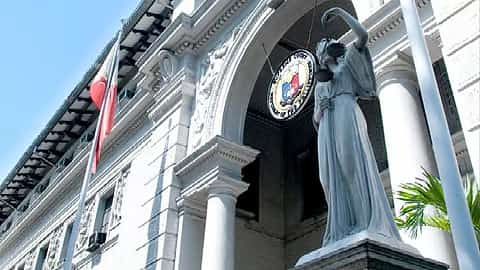
A group of retired military officers has called on the Supreme Court (SC) to promptly resolve pending “high-profile cases” involving constitutional accountability and presidential succession.
In an open letter reposted by retired Air Force General Romeo Poquiz, founder of the United People’s Initiative (UPI), the group said the High Court should act quickly on issues affecting governance, including what they described as concerns over the capacity and health of President Ferdinand Marcos Jr.
“The Constitution guarantees full public disclosure and the people’s right to information on matters of public concern,” the group wrote. “This includes issues affecting the President’s capacity to govern and his health.”
The group urged the SC to consolidate and resolve the cases swiftly, warning that delays could cause “political instability and erosion of public trust.” It also called on the tribunal to “uphold constitutional order over political interests.”
The UPI did not specify which cases it was referring to. The letter was signed by lawyer Melchor Magdamo on behalf of the group.
The UPI claimed that actions and statements by unnamed officials could weaken the constitutional processes and the SC’s authority.
On Tuesday, the SC started to hear oral arguments on consolidated petitions challenging the legality of unprogrammed funds in the national budget, questioning provisions in the 2024, 2025, and 2026 General Appropriations Acts.