
The lawyer who found her voice for animals
‘Sometimes animals teach us more about compassion than we can ever teach them.’

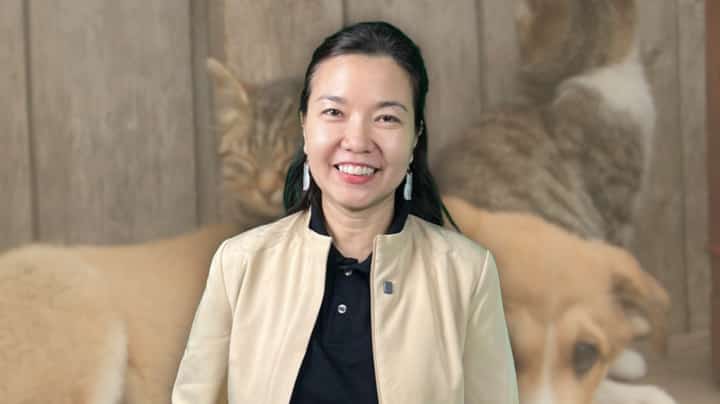
For Attorney Anna Cabrera, animal welfare is not simply about rescuing stray dogs or caring for abandoned cats. It is about shaping a more compassionate society where kindness toward animals reflects how people treat each other.
As the executive director of the Philippine Animal Welfare Society (PAWS), Cabrera has spent decades advocating for the protection of animals in the Philippines. But her journey into the movement began long before she became a lawyer or a prominent voice in animal rights. It started with volunteer work, determination and a belief that every creature deserves dignity.
Cabrera first joined PAWS as a volunteer in 1997 under the mentorship of the late Nita Ontiveros Lichauco, one of the pioneers of animal welfare in the country. At the time, animal advocacy was far from mainstream. Many people saw it as a sentimental cause rather than a serious social issue.
“We were laughed at,” Cabrera recalls of the early years when PAWS began building its shelter. “People said, ‘Who will adopt an aspin when there are so many on the streets?’”
Back then, even the idea of protecting animals through legislation seemed ambitious. Yet Cabrera and other volunteers worked tirelessly to push for what would become the country’s first national anti-cruelty law — the Animal Welfare Act of 1998.
More than just a battle
For Cabrera, the fight was never just about animals. She emphasizes the documented link between animal cruelty and violence against people.
“Studies have shown that people who hurt animals are more likely to hurt humans,” she explains. “This is why law enforcement agencies abroad track animal cruelty in criminal profiling. Protecting animals is also protecting society.”
Despite its passage, the law initially lacked enforcement. Cabrera remembers how early cases were often dismissed or ignored. Even without legal training at the time, she and fellow advocates began filing complaints and pursuing justice for abused animals.
The experience would later push her to make a life-changing decision.
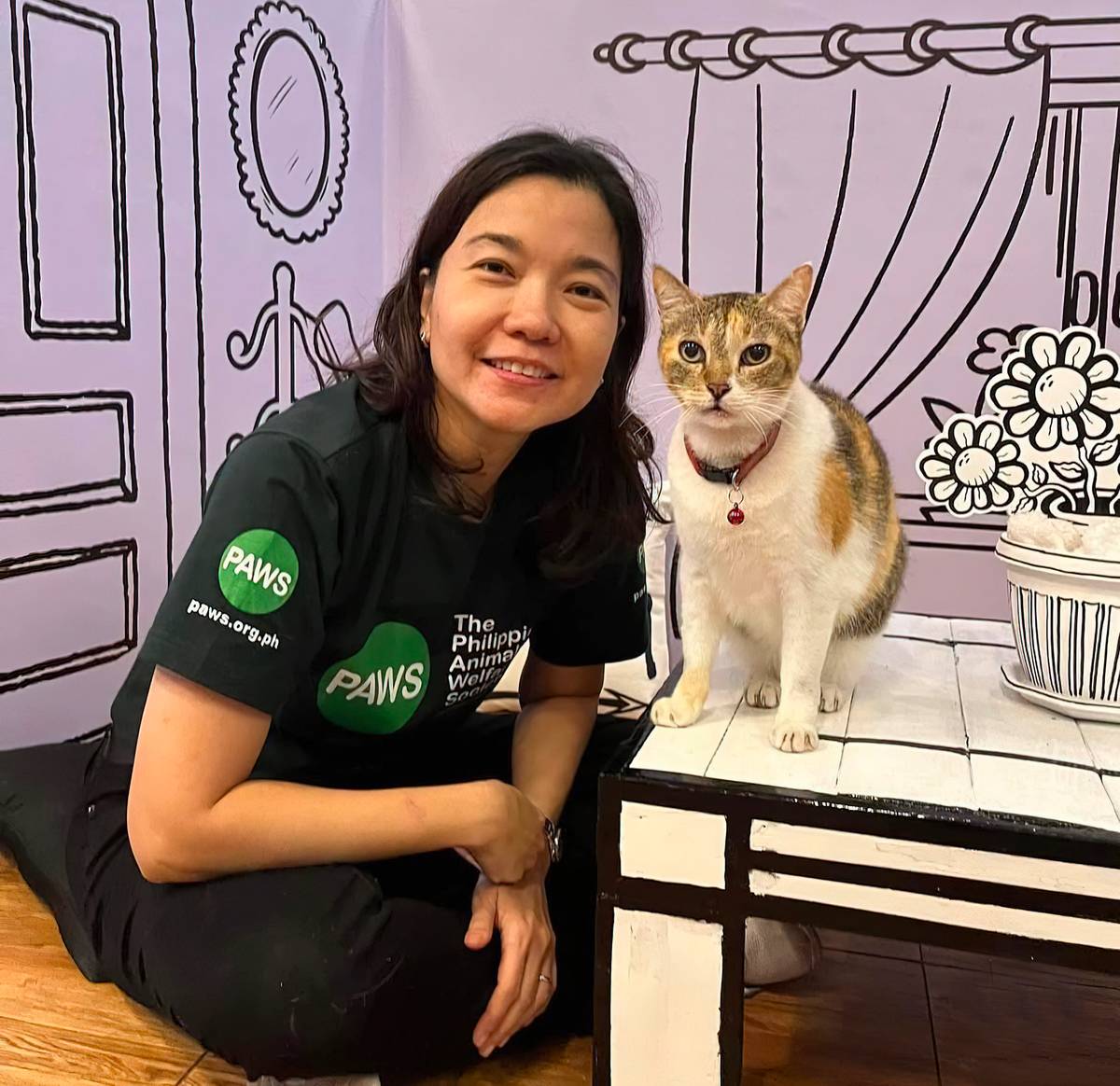
CAT got her heart. Anna with the late PAWS shelter CEO (cat executive officer) Fleur.
PHOTOGRAPH COURTESY OF PAWS
Where legal profession begins
Already in her late 40s, Cabrera decided to enroll in law school in 2018 while continuing her advocacy work. She became a working student, attending evening classes while maintaining her role at PAWS.
Her motivation came from years of frustration inside courtrooms.
“There were times when lawyers for animal offenders would intimidate us,” she says. “They would say our pleadings were wrong or that we filed too late.”
One incident left a lasting impression on her. During a hearing, a judge questioned whether an abused dog was a purebred or merely an aspin. When Cabrera attempted to explain that the Animal Welfare Act did not distinguish between breeds, she was silenced because she was not a lawyer.
“That was when I realized how important it was to understand the law,” she recalls.
From then and now
Today, as a lawyer, Cabrera says the difference is evident. PAWS has secured more convictions against animal abusers, and she now stands firmly in courtrooms defending animals who cannot speak for themselves.
Beyond legal battles, Cabrera has witnessed firsthand the resilience of animals who have survived cruelty.
One story that stays with her is that of a dog named Sid. The aspin had acid poured onto his ear, leaving severe injuries. Volunteers feared the dog would remain fearful or aggressive after such trauma.
Instead, Sid proved remarkably forgiving.
“After he was cared for and treated kindly, he became one of the sweetest dogs,” Cabrera says. “He was eventually adopted and now even joins our Halloween costume contests.”
For Cabrera, stories like Sid’s reveal something profound about animals.
“No matter how bad their past was, they can still learn to trust,” she says. “Sometimes animals teach us more about compassion than we can ever teach them.”
Education, she believes, is the cornerstone of lasting change. PAWS continues to conduct awareness campaigns on responsible pet ownership, humane treatment, and the importance of spaying and neutering.
The organization also works closely with local governments, veterinary clinics, schools, and universities. Through its “Youth for Animals” chapters, PAWS now has student groups in several universities that help spread awareness and volunteer in animal welfare programs.
Partnerships are essential
“Advocacy becomes much stronger when communities work together,” she says.
One of PAWS’ most unique initiatives is the Doctor Dog Program, which demonstrates how animals can also help humans heal.
In this program, trained therapy dogs visit hospitals, elderly homes, and rehabilitation centers to comfort patients. Cabrera recalls an emotional moment when a young girl in a sanctuary for trafficking survivors was introduced to a therapy dog named Dr. Eddie.
The girl whispered her problems to the dog as tears streamed down her face.
“I think she was sharing something she had never told anyone before,” Cabrera says. “And the dog just listened.”
The experience reinforced Cabrera’s belief that animals often give back more than humans realize.
Passing kindness, from people to paws
While PAWS operates with only about 20 paid staff members, thousands of volunteer hours keep the organization running. Cabrera says the dedication of young volunteers gives her hope for the future of the movement.
“They wade through floodwaters during disaster relief operations just to feed animals,” she says. “They don’t get paid. They simply care.”
After decades in advocacy, Cabrera’s message to ordinary Filipinos is simple: lead by example.
Kindness toward animals should not be limited to expensive breeds or social media posts. She encourages pet owners to treat aspins and puspins — the country’s native mixed-breed dogs and cats — with the same love given to purebred pets.
“Let’s not treat aspins as second-class citizens in their own country,” she says.
For Cabrera, animal welfare is ultimately about empathy — an everyday practice that begins at home and extends outward to the community.
“Kindness,” she says, “should not stop with people. It should include animals, too.”