
POETICS OF REPAIR: Elevating the humble stitch into a high-concept dialogue


Patchwork today has shed its humble origins as a “technique of necessity” to becoming a high-concept dialogue between heritage and the the avant-garde. It is a masterful collision of textures where zero-waste sustainability meets the soul of craftsmanship, challenging the sterile uniformity of mass production with a rhythmic, calculated beauty. As global houses weave indigenous motifs into modern silhouettes, the trend stands as a sartorial manifesto: a celebration of the “perfectly imperfect” that demands we reconcile luxury with ethical accountability and the preservation of global craft.
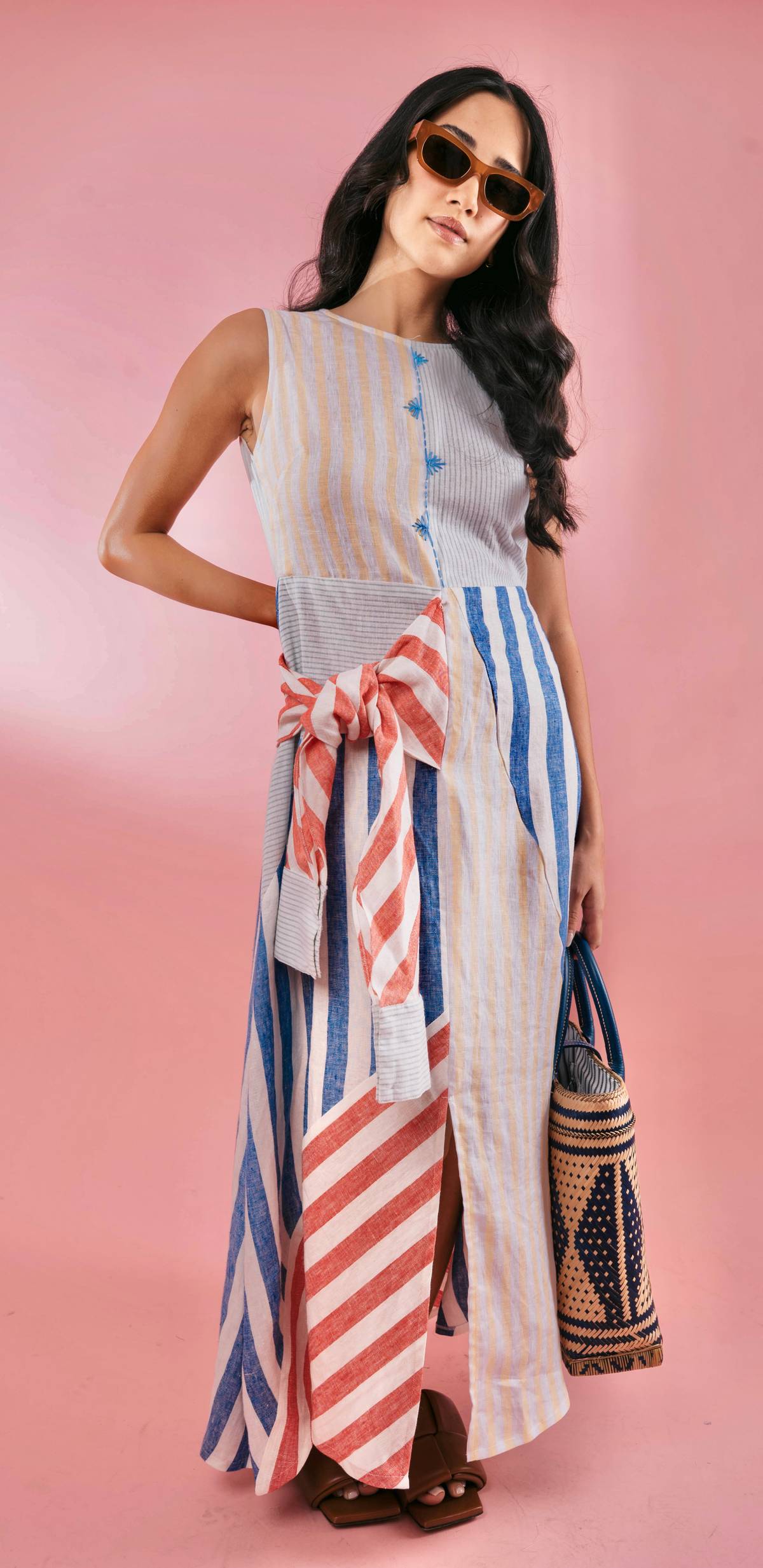
PATCHWORK stripes shirtdress. We elevate our pieces with hand stitching and hand embroidery.
Driven by a growing demand for individuality and sustainability, patchwork remains relevant through its ability to blend various textures and colors into unique, one-of-a-kind garments.
In the rhythmic hustle of the urban landscape, patchwork has evolved from a curated runway spectacle into a definitive staple of everyday street style. It breathes a soulful “quirk” into the uncomplicated silhouettes of casual wear, transforming standard denim and basic graphic tees into textured narratives of depth and dimension. Whether it is the artisanal warmth of an upcycled coat or the romantic, “granny chic” allure of a tiered bohemian dress, these pieced-together designs offer a sartorial rebellion and allows the modern individual to layer stories and textures with effortless style.
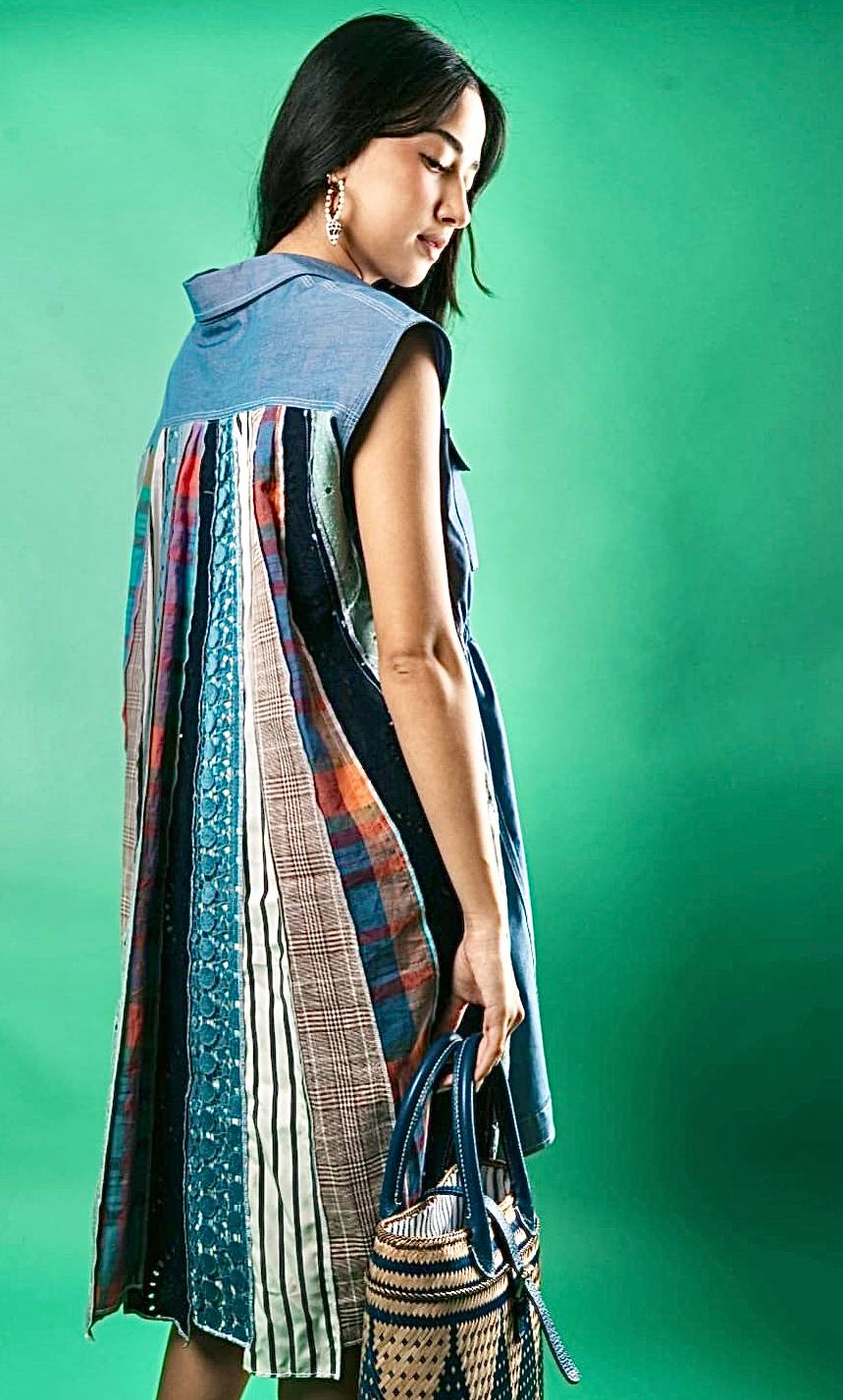
DENIM dress with back detail of tweed, lace, and eyelet scraps
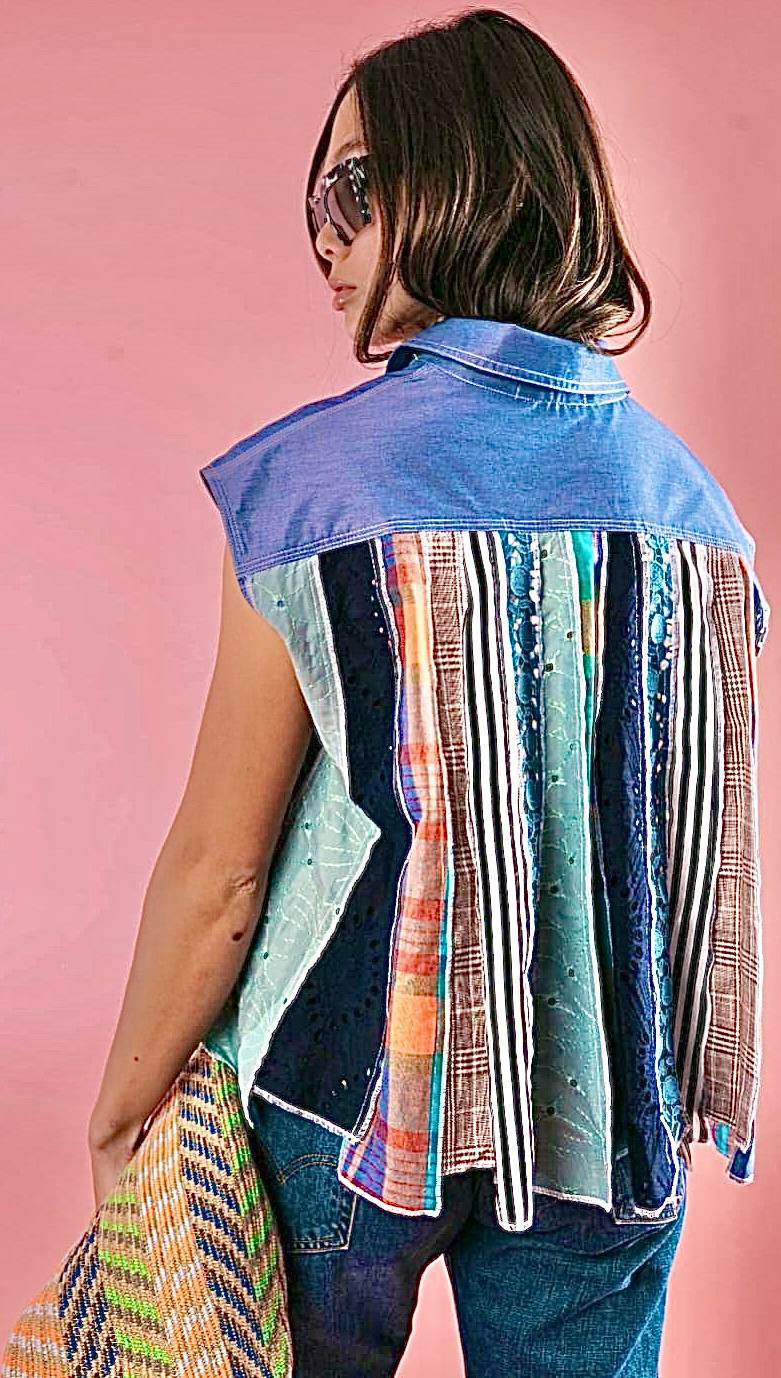
DENIM shirtjack using scraps of tweed, lace, and eyelet for the back
PHOTOGRAPHS courtesy of Jeremy Alvarez
In the Philippines, local brand Two Chic Manila by fashion designer TC Alvarez Sibal, has been into patchwork since 2018 and has never stopped.
Sibal says, “We like the sense of depth it creates. It is visually interesting and we like the fact that all our end cuts are utilized.”
From tops, skirts, dresses, the creative, inventive and practical technique has successfully transcended into the modern woman’s wardrobe.
Furthermore, she says “ It’s a creative practice that allows you to create new pattern from different fabrics. At the same time allowing the wearer to create new looks and styles for her sense of individuality.”
Beyond the aesthetic, this relevant movement is a testament to the power of circular fashion and the intimacy of the handmade. Patchwork now extends its tactile charm to the very accessories that carry us through the day — from vibrant, roomy totes to rugged sneakers that find beauty in contrasting fabric swatches. It is a trend rooted in conscious consumption, where the act of DIY customization becomes a poetic ritual of repair and reinvention. By elevating deadstock remnants and vintage into the high-fashion lexicon, we aren’t just wearing clothes; we are participating in a sustainable dialogue that honors both the history of the cloth and the vibrant pulse of contemporary life.
The presence and concept of patchwork in global fashion reflects a shift from a historical “technique of economy” to a modern “design language” that balances individual expression with environmental responsibility.
As Sibal concludes, “Patchwork has become relevant fashion stitched in soul.”
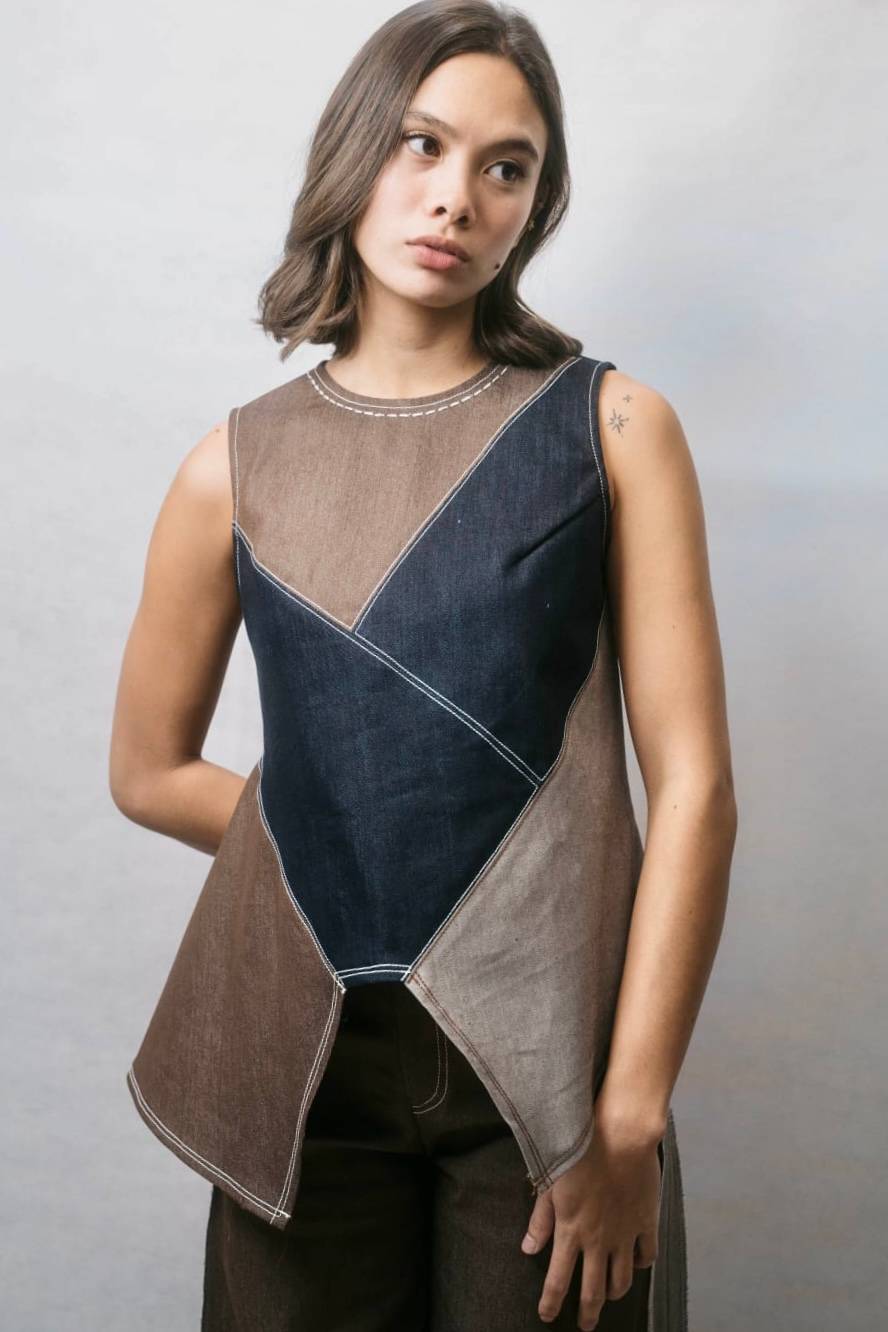
BREA Top is a patchwork of brown and dark denim. We use reverse sides to achieve different shades and has hand stitching on the neckline
PHOTOGRAPHS courtesy of Jeremy Alvarez
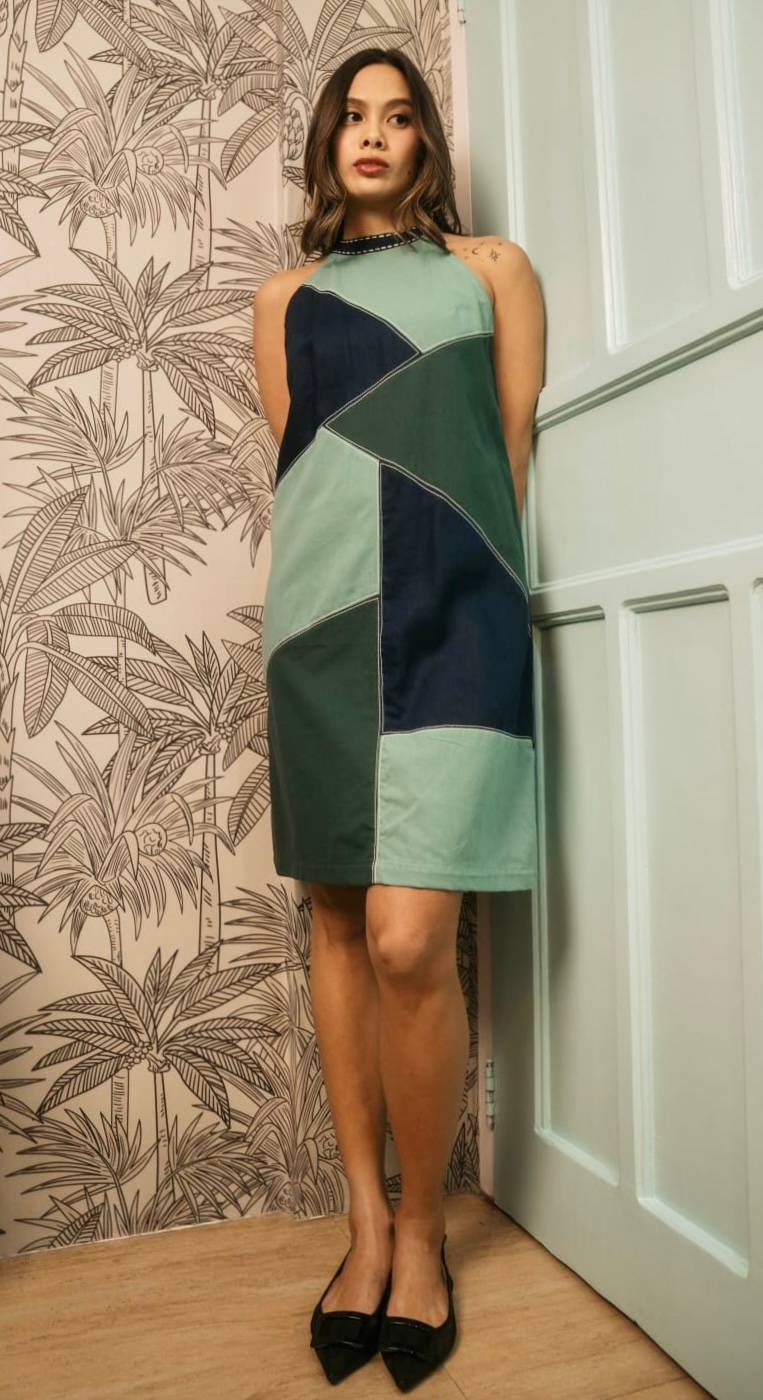
LOLA collection is made from linen with top stitching and hand stitching details
PHOTOGRAPHS courtesy of Jeremy Alvarez
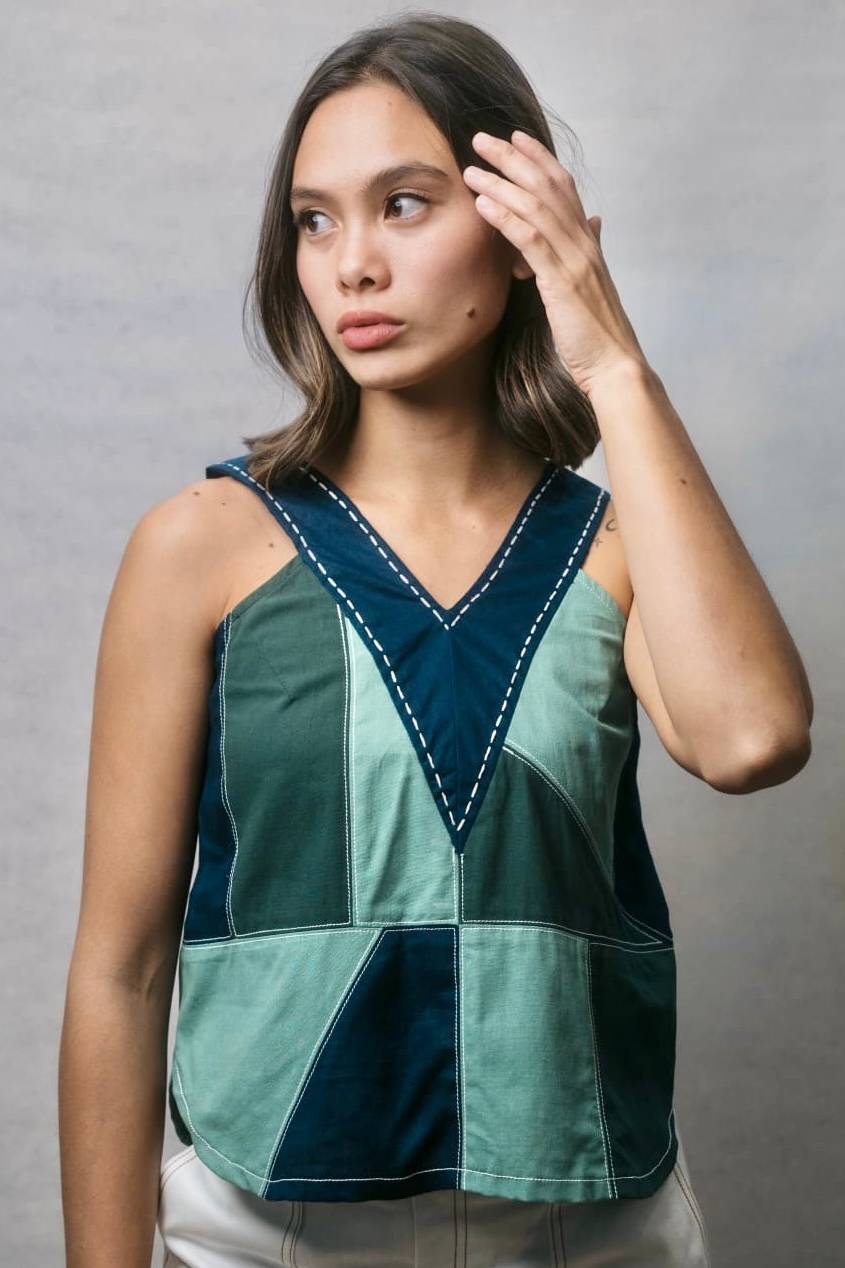
LOLA top in shades of green and blue linen. Hand stitching in cream on the v neckline
PHOTOGRAPHS courtesy of Jeremy Alvarez
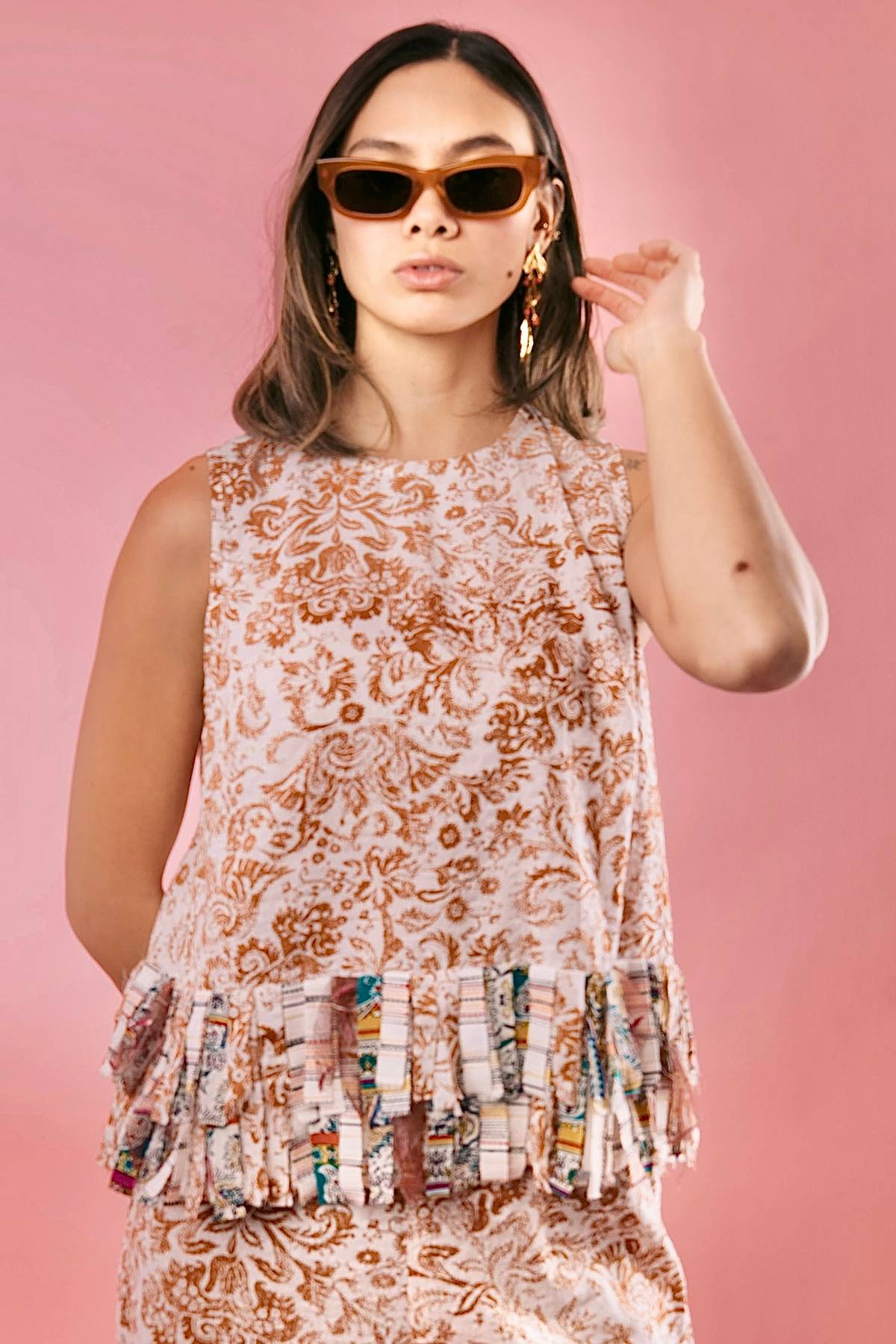
SLEEVELESS floral top with fringe hem scraps detail
PHOTOGRAPHS courtesy of Jeremy Alvarez

THE Sarsuela set comes back with new colors making use of all our fabric from past collections
PHOTOGRAPHS courtesy of Jeremy Alvarez
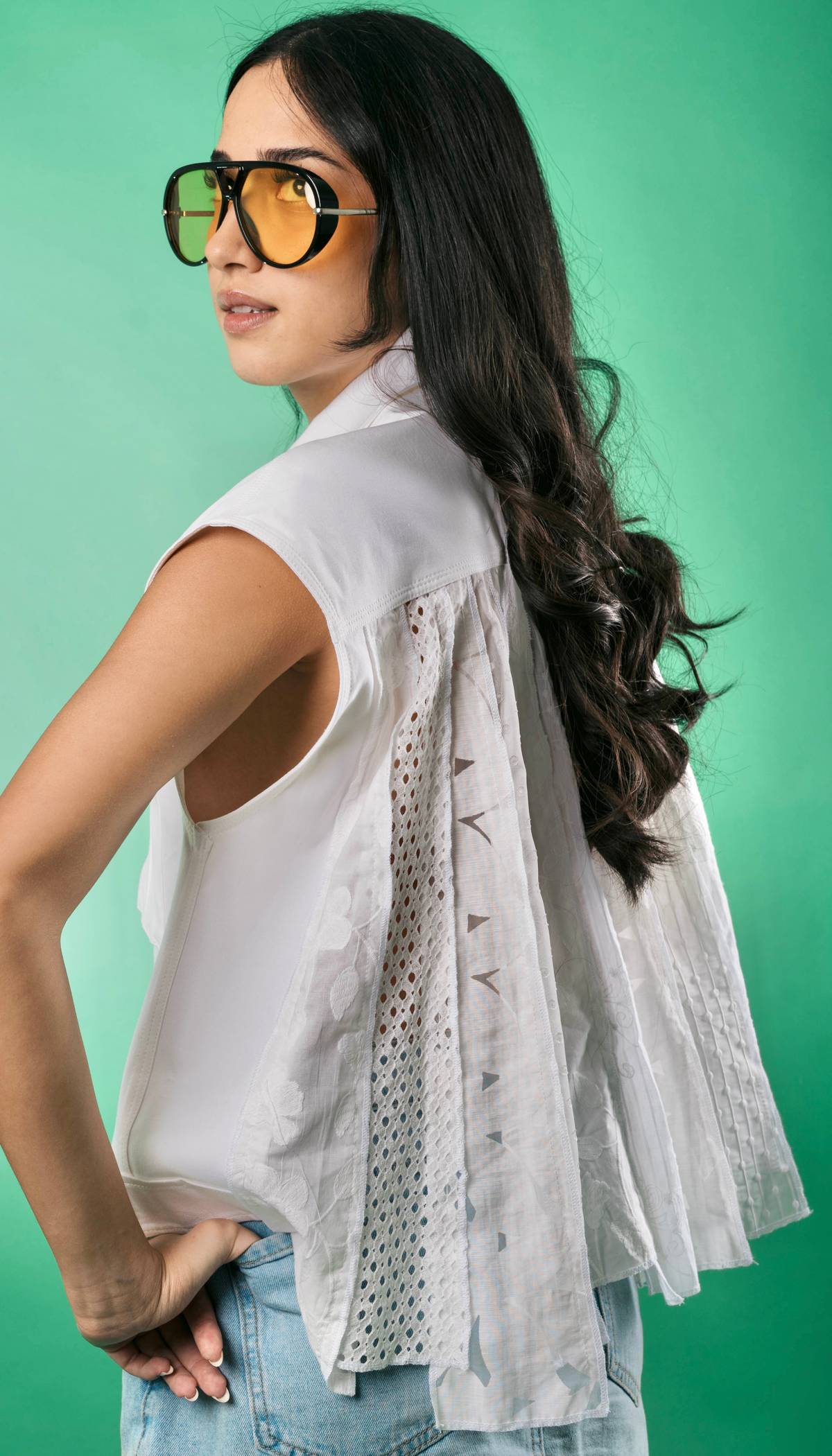
WHITE Shirtjack with white lace, mesh, jacquard scraps
PHOTOGRAPHS courtesy of Jeremy Alvarez