
School for future ninjas: Edo Wonderland, Nikko, Japan


“Choo-choo!”
Japan’s only surviving steam train can be heard loudly from Edo Wonderland, a cultural theme park located in the Unesco (United Nations Educational, Scientific and Cultural Organization) Heritage Site of Kinugawa Onsen, the historical capital of Japan’s samurai and feudal lords — the only ones, alongside monks, that were originally allowed to bathe in the city’s onsen (natural hot baths).
As summer and school break approach, many parents might be on the lookout for new activities and travel destinations to enjoy with their kids. The ninja and samurai schools in Edo Wonderland, Nikko, Japan offer both fun activity and travel opportunity for families and their young ones.
Unlike the crowded and multisensory overloaded Tokyo Disneyland of the capital, Edo Wonderland is a Zen theme park that educates kids about Japanese arts, heritage and traditions. Think of it as the Japanese version of the Philippines’ Nayong Pilipino.
The park and its surrounds used to be the former Edo capital of Japan. Thus, the park recreates the life and culture of the Edo period in its 49.5-hectare space that has been designed based on Genroku, the Edo period’s Golden Age.
During Genroku, an estimated three million people used to live in the area. Today, due to aging population and massive migration to Tokyo and other more modern cities, Nikko is practically a ghost town — with many houses, grocery stores, restaurants and other properties abandoned or unoccupied. But such a depressing sight is thankfully offset by many weekend revelers heading to Edo Wonderland.
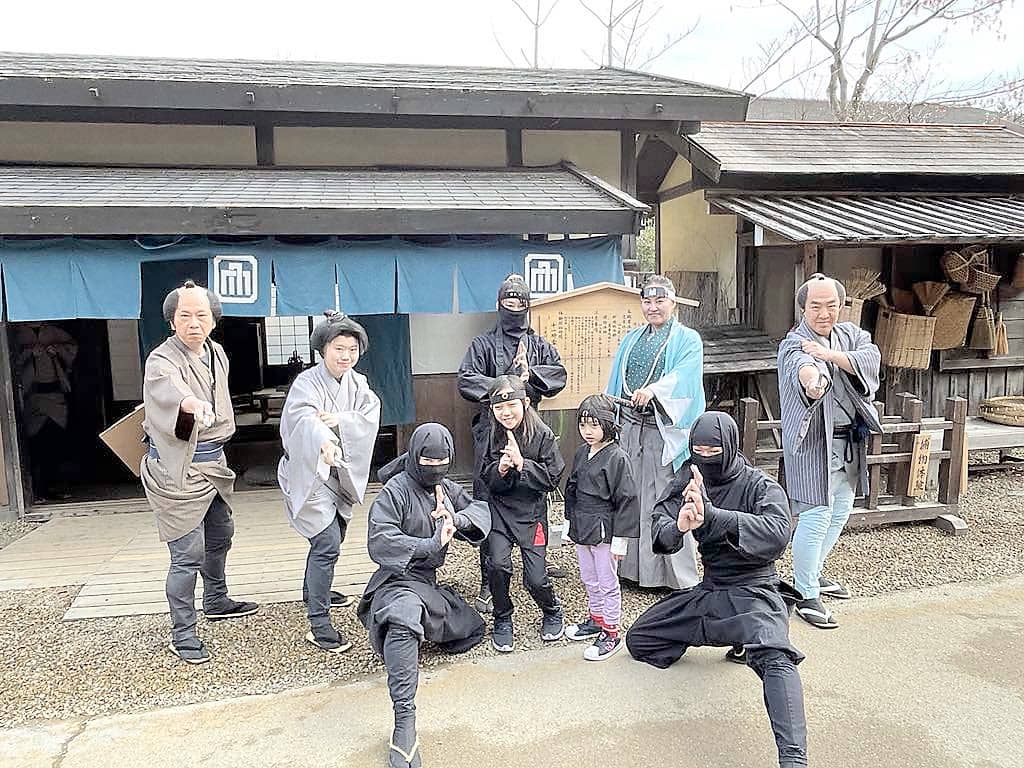
DON’t forget the best lesson — strike a pose!
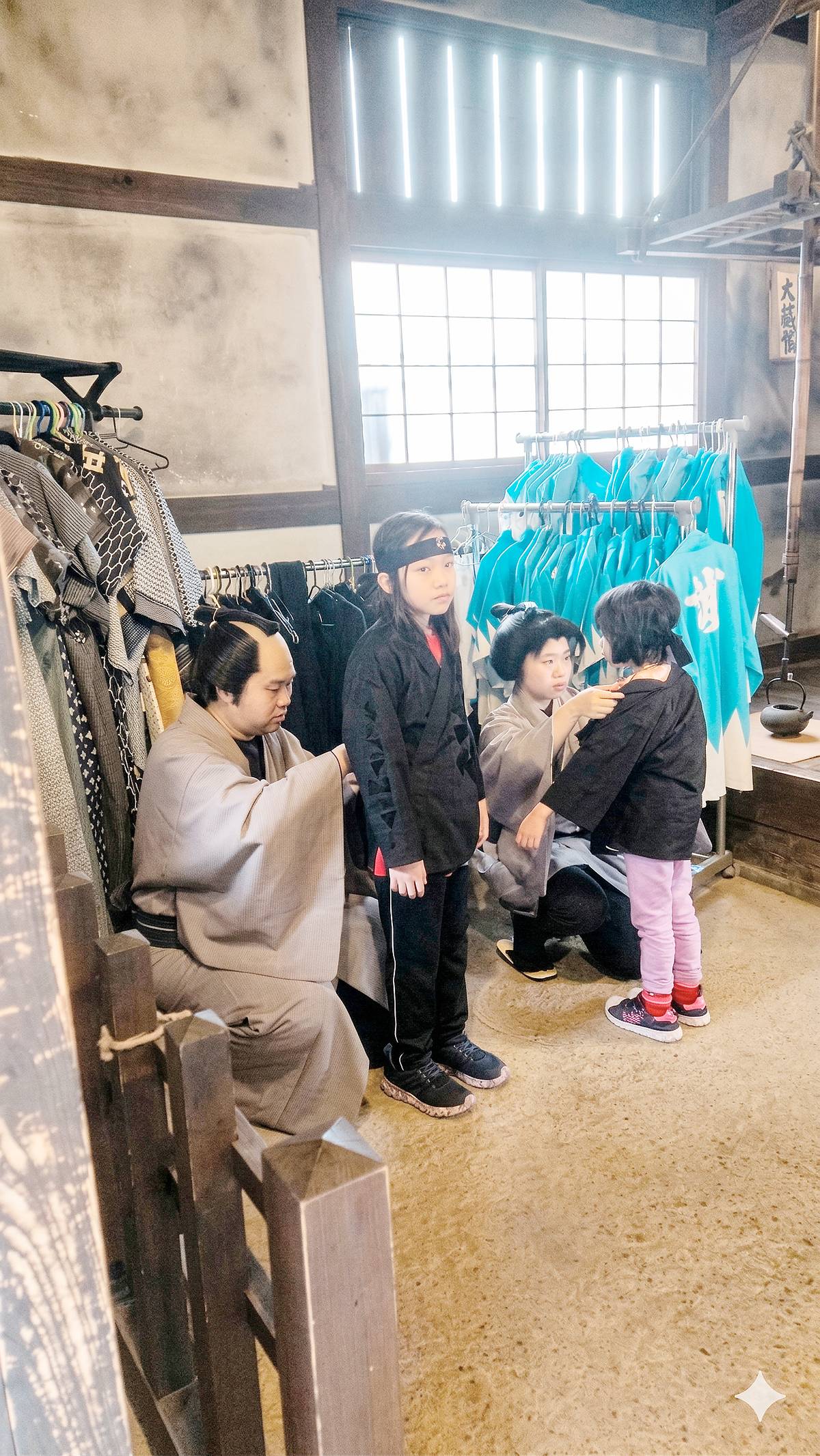
EVEN dressing up is part of the ritual.
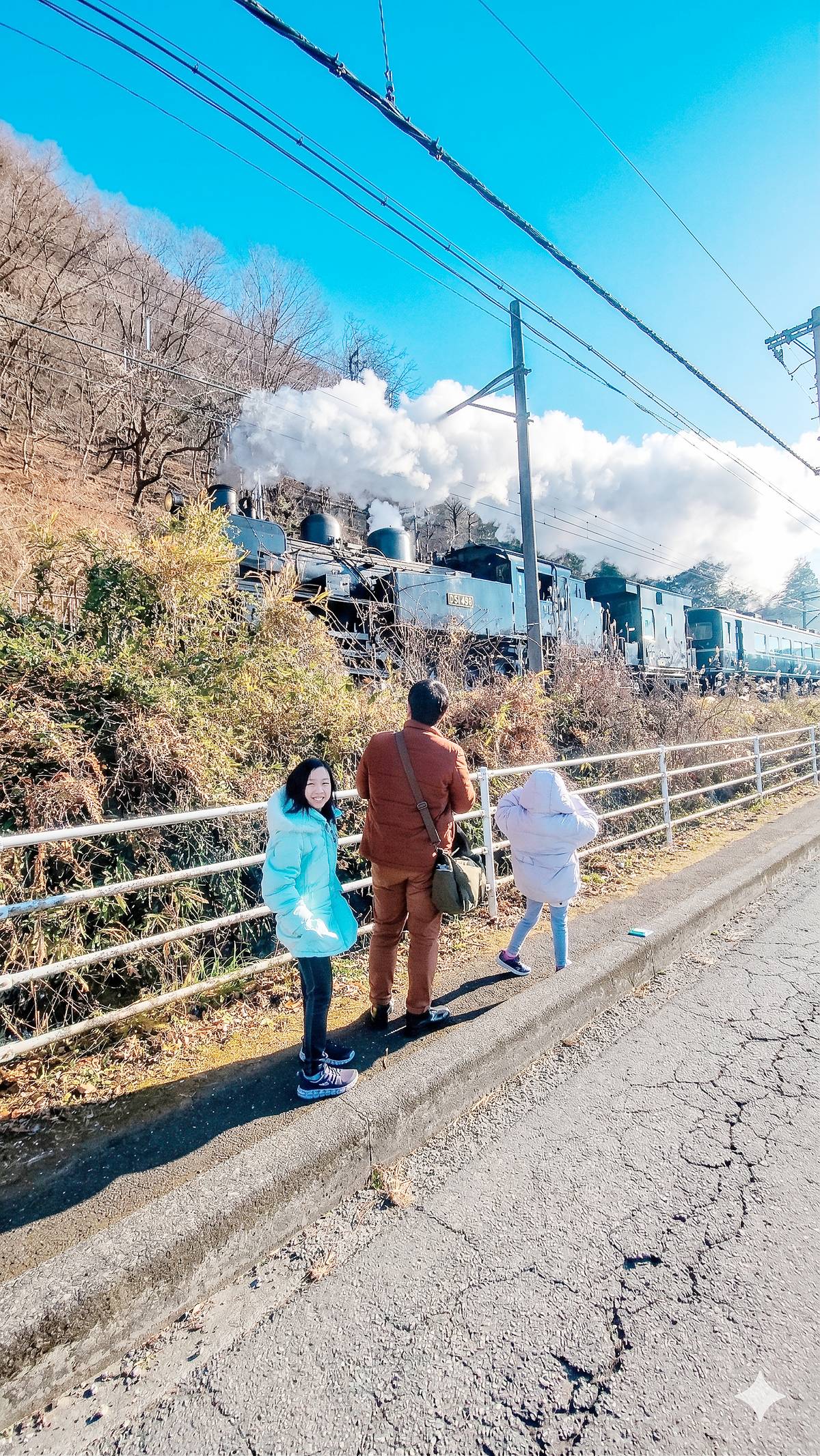
JAPAN’s last steam train.
At the theme park, children can “cosplay” but in the traditional way. Instead of costume-playing their favorite Japanese anime characters, they are invited to portray a traditional Japanese character from the country’s past — as samurai, ninja, even as imperial royalty.
After dressing up in traditional Japanese costumes, children then are invited to enroll either at the ninja or the samurai school — to be taught by real, modern-day ninjas and samurai!
While the more intimate samurai school only takes in a few students in a dojo, the ninja school accepts as many kids to enroll and the crash course takes the students all over the park — not only confined in a dojo.
According to research, during the peaceful Edo period (1603 to 1868), ninjas or shinobi are employed by the shogunate and daimyo (feudal lords) either to serve as battlefield combatants or as multi-weapon martial arts specialists involved in security, espionage or intelligence gathering and preventing uprisings.
At Edo Wonderland, ninjas wear their traditional black overalls with their faces covered except for the eyes. They also wear jika-tabi, traditional split-toe footwear where there is a compartment separating the big toe for better balance, grip and overall look.
At the ninja school, kids are taught how to run discreetly — on a squatting position with their arm and fist under their eyes; as well as how to properly bow and throw the shuriken or the ninja star, a steal concealed weapon traditionally used for killing or distraction. But don’t worry because everything is safe and handled by professional ninjas, whose actual acrobatic moves are showcased in a show at the ninja theater.
The class, after all, is more on role-playing — to get kids on the groove to live their Mortal Kombat or Teenage Mutant Ninja Turtle dreams even just for an hour or two. Finally, they are taught the most important thing especially for souvenir photos — the ninja pose!
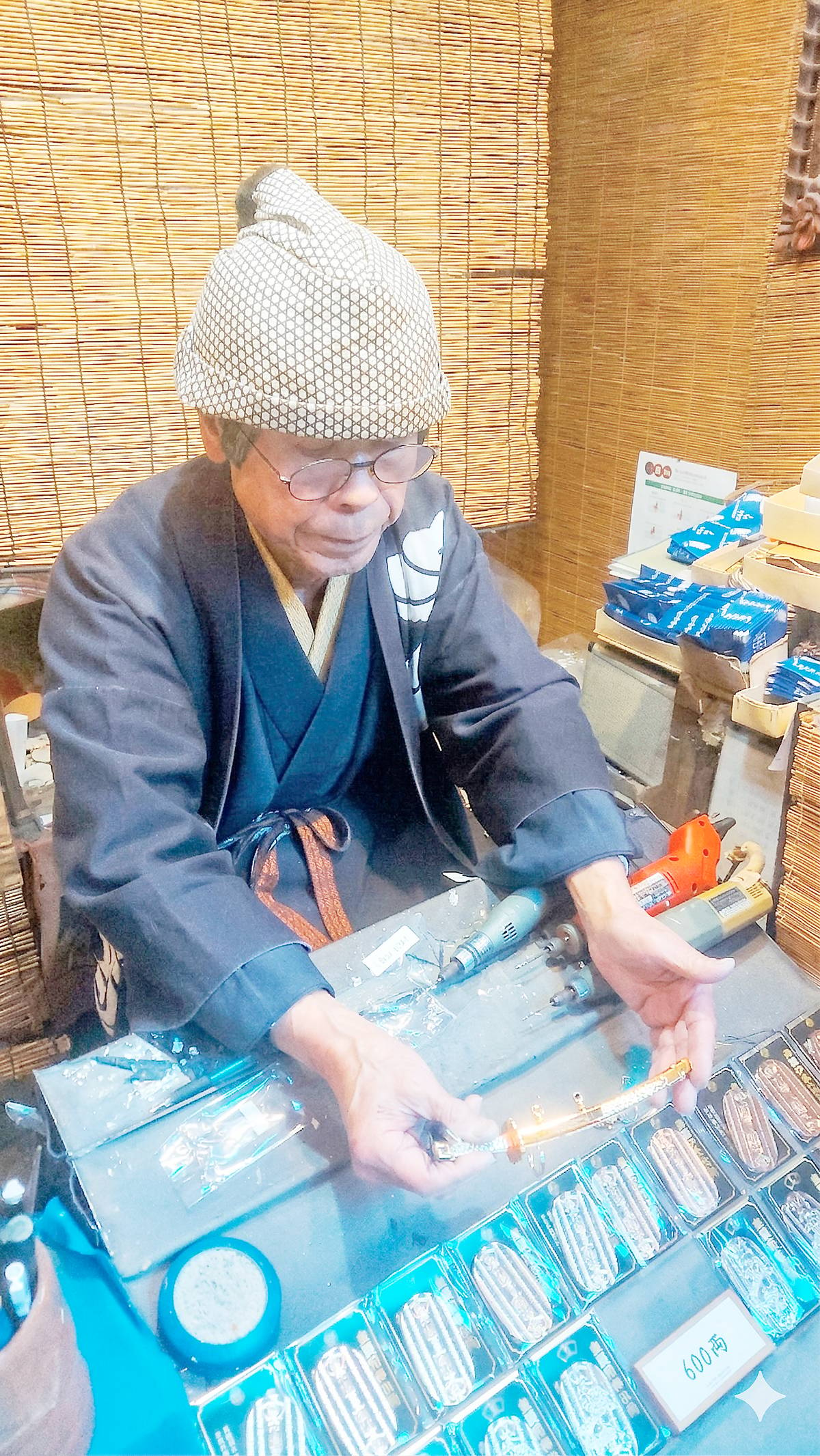
PERSONALIZED mini katana.
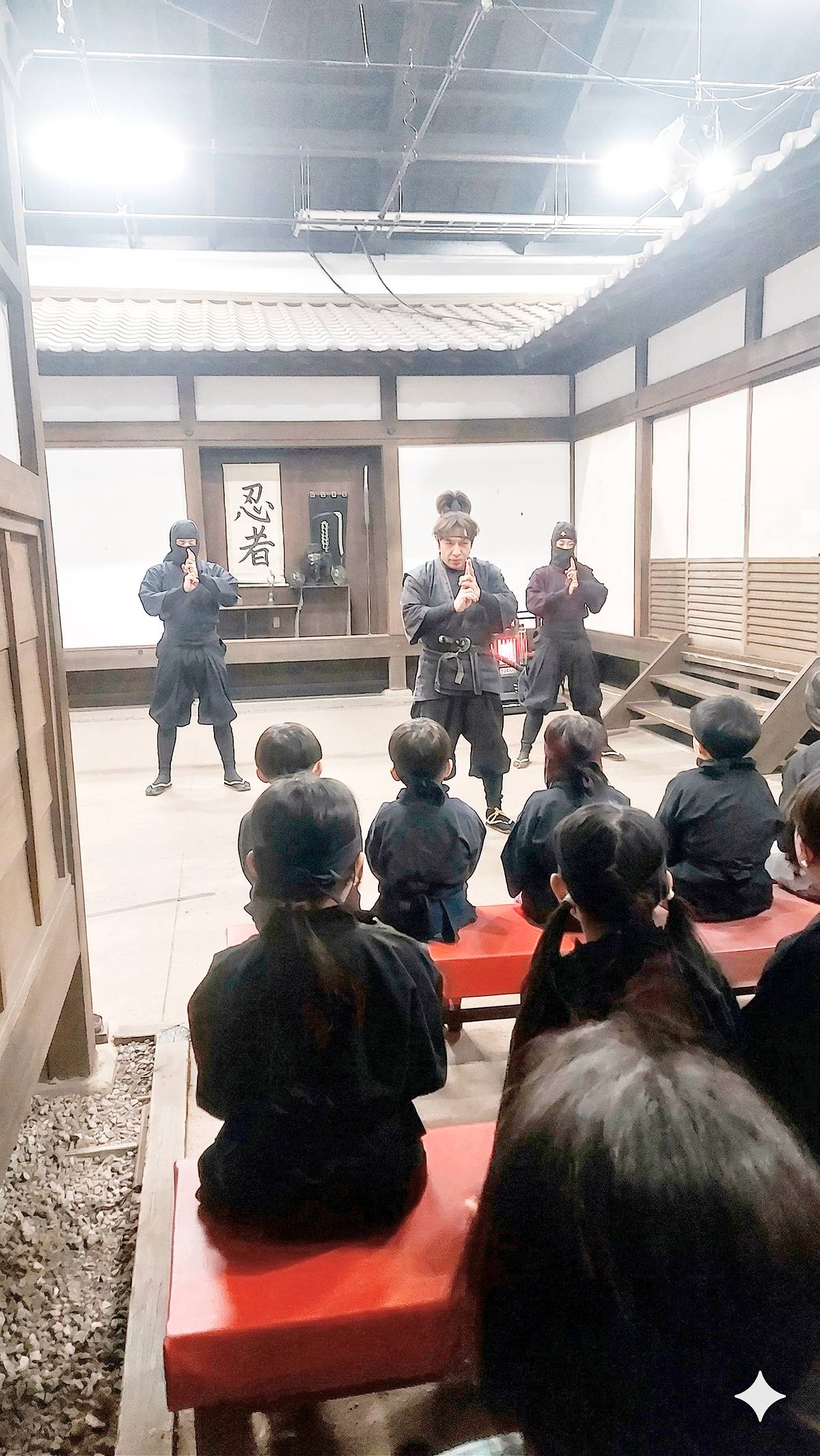
SENSEI teaching world-be ninjas.