
Review: The madness and mayhem of ‘Sisa’


When you enter the movie house, forget about the Sisa you read in Jose Rizal’s Noli Me Tangere. In the movie Sisa, there is no wailing and looking for Basilio and Crispin. The cat fight between Sisa and Doña Victorina is also absent. Erase from your memory the Sisas of yore like that of Anita Linda in National Artist for Film Gerardo de Leon’s 1951 classic.
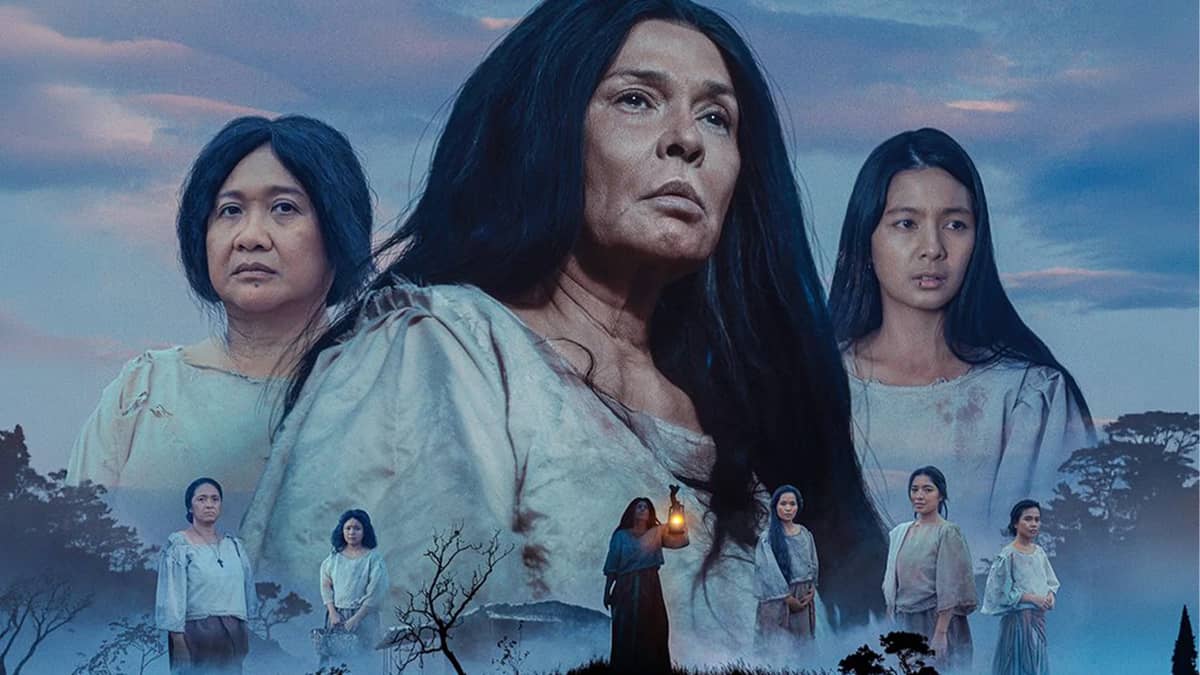
HILDA Koronel as Sisa.
Photo courtesy of Ideafirst Company/ Facebook
Say farewell to Tetchie Agbayani’s portrayal of the impoverished woman gone mad in the six-episode television miniseries which was shown on television in 1993, directed by another National Artist for Film, Eddie Romero.
And yes, my dear millennials and Gen Zs, Hilda Koronel’s Sisa is not like Andrea Torres’ scintillating interpretation of the character in Zig Dulay’s Maria Clara at Ibarra which was a primetime TV sensation four years ago.
The reason for the madness of Sisa in this historical drama is darker, deeper, fueled by anger, charged by revenge, and the be all and end all, the comeuppance of the oppressors.
What to expect
Jun Lana’s screenplay just won an award at the 46th Fantasporto International Film Festival in Portugal. It is one of the major strengths of the film — a courageous and subversive reimagining of a portion of Philippine history that dared to veer away from the traditional Sisa and the powerful depiction of women in a contained and controlled environment who are more than ready to show who is boss and supreme. This made the film an engrossing cinematic experience.
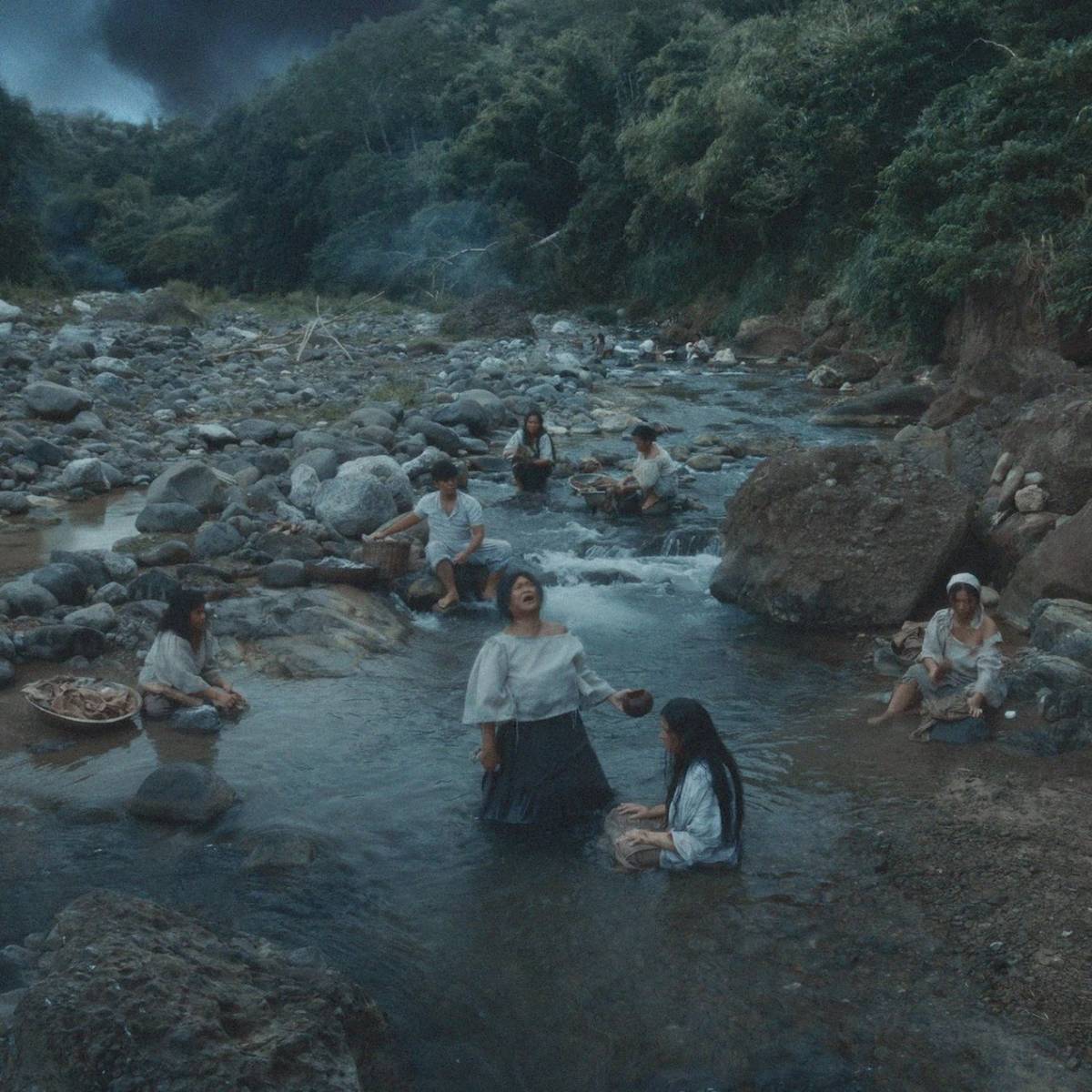
A SCENE from the movie ‘Sisa.’
That Koronel gave anguish feels, honesty, integrity and vulnerability to the central character was superlative. That restraint and discipline to never going overboard as she displayed the many convictions and motivations of Sisa. The eyes that spoke in volumes. The grace and gravitas on how she carried the turmoil and resolve of her persona. With Koronel, the gamut of Sisa’s emotions, you feel them and they hit you hard, and this character of hers will remain with you.
Bravo to the powerful feminine supporting cast, Eugene Domingo, Jennica Garcia, Angellie Sanoy, Barbara Miguel and Tanya Lopez. What made their performances superb is that they worked together and complemented each other — no scene-stealing; no trying to prove “I am better and this is my moment.” This is the finest group of women who gave Delia, Leonor, Opel, Nena and Rita their hearts and souls.
Expect as well the topnotch technical aspects, specifically Carlo Mendoza’s cinematography, JayLo Conanan’s production design and Lawrence Ang’s cohesive editing that kept the tension and suspense more compelling.
Sisa is worth everyone’s time and hard-earned money. It is best experienced inside the cinemas so that you get to marvel and immerse into the craft, dedication and passion they put in the film, which became so true to life, it makes the screams stirring to the soul.
Sisa is showing in cinemas nationwide.