
Zambales gov’t adopts shorter workweek

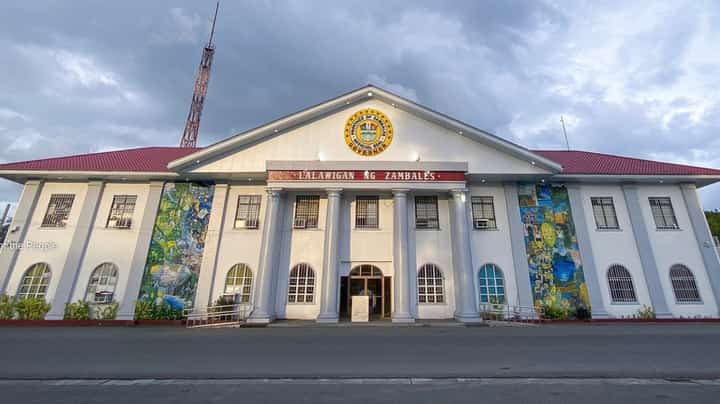
The provincial government of Zambales began implementing a four-day workweek this week to conserve energy and reduce fuel consumption amid rising global petroleum prices.
Gov. Hermogenes Ebdane Jr. issued Executive Order No. 1 on 9 March, aligning the province with a national directive from the Office of the President. Under the new schedule, provincial government offices will operate from Monday to Thursday, 8 a.m. to 5 p.m.
Ebdane said the shift aims to lower electricity and gasoline costs, pushing for more efficient use of government resources.
While most administrative offices will close on Fridays, essential services will remain operational. The Provincial Engineering Office and government-run hospitals — including the President Ramon Magsaysay Memorial Hospital and district hospitals in San Marcelino, Castillejos, and Santa Cruz — will continue to provide round-the-clock services.
Additionally, a skeletal force will be maintained at the Provincial Disaster Risk Reduction and Management Office, the Provincial Treasurer’s Office, and the Provincial General Services Office to ensure continuous public service.
The provincial move follows a temporary four-day workweek mandate for the executive branch, local government units, and state universities nationwide. While the national policy generally suggests a 7 a.m. to 6 p.m. schedule to fulfill the required 40-hour workweek, individual units have adjusted hours to fit local needs.
Proponents of the setup noted it allows for reduced commuting costs and energy savings for employees during the current period of oil market volatility.