
When hormones stand in the way: Infertility through an endocrine lens
In the Philippines, studies estimate that about 10 to 15 percent of couples experience infertility, reflecting global statistics.


Infertility is more common than many people realize, yet it remains a topic often discussed in hushed tones. Medically, infertility is defined as the inability to conceive after one year of regular, unprotected intercourse — or after six months if the woman is over 35. Behind this clinical definition are real couples facing uncertainty, disappointment, and deep longing.
In the Philippines, studies estimate that about 10 to 15 percent of couples experience infertility, reflecting global statistics. This means roughly one in seven couples may struggle to conceive. A substantial proportion of these cases are linked to hormonal or endocrine disorders — an area in which modern medicine offers genuine hope.
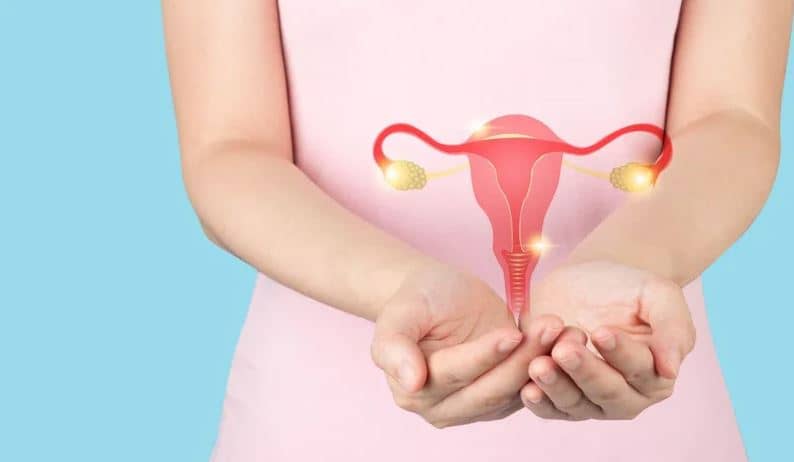
PCOS is one of the most common endocrine causes of infertility in Filipino women.
Photograph courtesy of Compass Oncology
Endocrinology, the study of hormones, lies at the heart of fertility. Hormones regulate ovulation, menstrual cycles, sperm production, and the uterine environment. When these chemical messengers become imbalanced, conception can be challenging — but often not impossible.
I understand this not only as an endocrinologist, but also as a patient.
Early in my marriage, my husband and I tried to conceive without success. Month after month passed, bringing growing anxiety. As a physician, I recognized that something was wrong, but knowledge does not make waiting easier. After a thorough evaluation, I was diagnosed with polycystic ovary syndrome (PCOS), a hormonal condition that disrupts ovulation. Suddenly, the irregular cycles and subtle symptoms I had previously dismissed made sense. With proper treatment and guided care, my hormones stabilized, ovulation resumed, and in time, we were blessed with our eldest son. That journey deepened my empathy for every patient who sits across from me carrying the same quiet fear: What if it never happens for us?
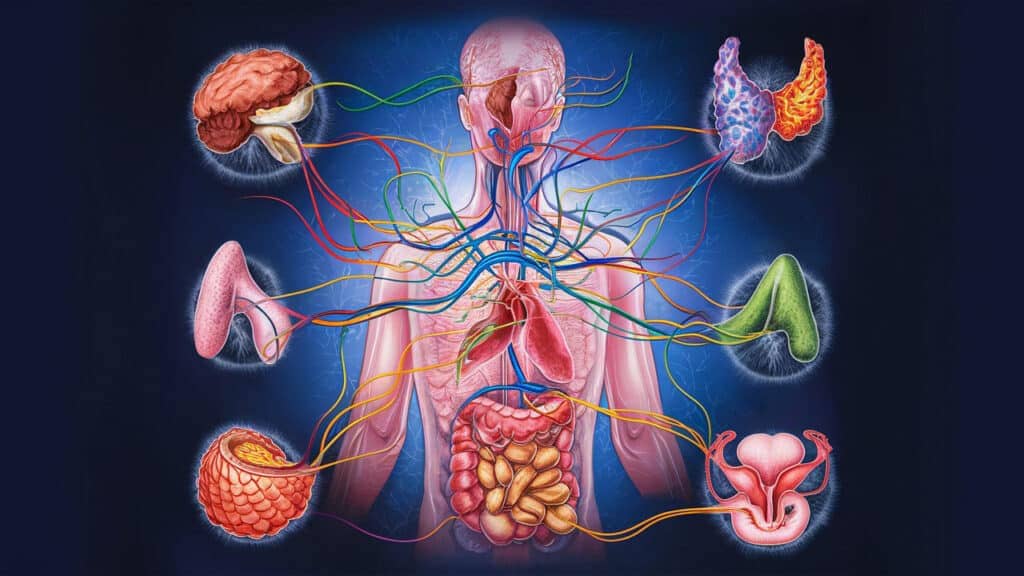
HORMONES are addressed within the medical specialty of endocrinology.
Photograph courtesy of Vijay Super Specialty Hospital & Cancer Center
PCOS is one of the most common endocrine causes of infertility among Filipino women. It affects an estimated 5 to 10 percent of women of reproductive age and often presents with irregular menstruation, acne, weight gain, or excess hair growth. The encouraging reality is that many women with PCOS are able to conceive through lifestyle modifications, weight management, and medications that restore ovulation.
The thyroid gland also plays a crucial role in reproductive health. Both hypothyroidism and hyperthyroidism can disrupt menstrual cycles and ovulation, and untreated thyroid disease may increase the risk of miscarriage. A simple blood test can detect thyroid dysfunction, and treatment is typically straightforward. Many women regain normal fertility once thyroid hormone levels are corrected.

STRESS, sleep deprivation and extreme exercise can also dampen reproductive hormones.
Photograph courtesy of Unsplash
Elevated prolactin — best known for its role in breast milk production — can also suppress ovulation when abnormally high. Fortunately, medications are highly effective in lowering prolactin levels and restoring regular cycles.
Metabolic health is equally important. Insulin resistance, obesity, and diabetes can alter reproductive hormones in both women and men. Fertility is not solely a woman’s concern; it is a shared biological partnership. Male infertility accounts for up to 40 percent of cases, and hormonal imbalances can impair sperm production and quality.
Stress, sleep deprivation, and excessive physical training can also suppress reproductive hormones. Structures in the brain, particularly the hypothalamus and pituitary gland, act as master regulators of hormonal function and fertility. When the body senses chronic stress or insufficient energy reserves, it may temporarily halt ovulation as a protective response.
The good news is that infertility is increasingly treatable. Advances in reproductive endocrinology enable physicians to identify hormonal disturbances with precision. Management may involve lifestyle interventions, targeted medications, ovulation induction, or assisted reproductive technologies when necessary. Many couples achieve pregnancy once the underlying endocrine imbalance is addressed.
Equally vital is emotional support. Infertility can feel isolating, but no couple should navigate this journey alone. Seeking medical evaluation early is not a sign of failure — it is an act of courage and self-advocacy.
The most effective approach is collaborative care. Couples benefit from coordinated management between an obstetrician-gynecologist and an endocrinologist, ensuring that both reproductive anatomy and hormonal balance are carefully evaluated. This partnership fosters individualized, compassionate treatment plans grounded in both science and hope.
For those facing infertility, it is rarely a closed door — more often, it is a door that requires the right key. With modern medicine, collaborative care and patience, many couples discover that the path to parenthood, though winding, remains within reach.