
Sodium vs lithium
CATL, the world’s largest battery maker, has also begun producing sodium-ion cells.


On 27 October 2025, I wrote a column titled Salted Battery. It talked about sodium-ion batteries as an alternative to lithium. I described them as cheaper, safer, and more realistic for scooters, tricycles, and short-route vehicles.
That column came from a question I asked during the Philippine Electric Vehicle Summit at SMX. I asked if there were any local studies on sodium-ion batteries. EVAP president Edmund Araga said there were none at scale. Jetour Auto Philippines managing director Lito Jose pointed out that sodium was abundant. I also mentioned a small local startup working quietly on the same technology.
At that time, sodium-ion felt distant. However, new data came about and now makes a clearer picture as to the state of this emerging battery technology.
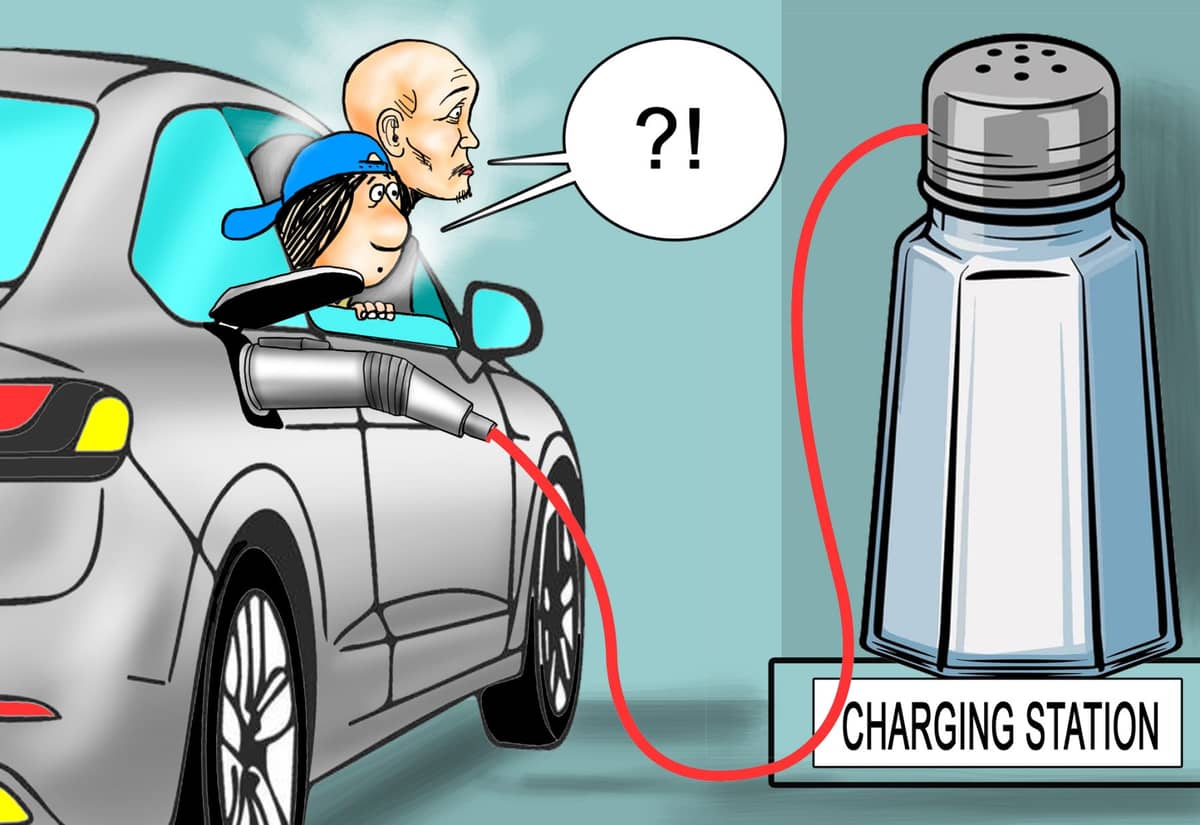
Illustration by Glenzkie Tolo
A recent report from MIT Technology Review looks at battery developments expected in 2026. Sodium-ion batteries are discussed as a lower-cost option for certain vehicles. They are not deemed, as of now, as a replacement for lithium-ion batteries
According to the MIT Tech Review, lithium-ion battery prices have changed considerably over the years. In 2013, a lithium-ion battery cell cost about $568 per kilowatt-hour (around P31,800). By 2025, that number dropped to about $74 (around P4,100). This price drop explains why most carmakers stayed with lithium.
Sodium-ion batteries now average about $59 per kilowatt-hour (around P3,300). That is cheaper than the overall lithium-ion average. Lithium iron phosphate batteries still cost less at around $52 per kilowatt-hour (around P2,900), which shows that sodium-ion does not win every comparison.
The MIT report also notes early commercial use. Chinese companies Yadea, JMEV and HiNa Battery have started producing sodium-ion batteries in limited numbers. These are used in small electric cars and electric scooters that do not require high energy density.
CATL, the world’s largest battery maker, has also begun producing sodium-ion cells. The company plans to launch its first electric vehicle using chemistry by the middle of this year.
The report also notes that lithium prices have risen in recent months. If that continues, lithium battery prices may stop falling. This gives sodium-ion more room to compete
The technical limits remain as Sodium-ion batteries store less energy than lithium-ion batteries. This makes them unsuitable for long-range electric cars, as I stated in my previous column.
What has changed is usage.
The MIT report also confirms early vehicle use. Companies in China are producing sodium-ion batteries in small numbers for short-range electric cars and electric scooters. These vehicles do not travel far and charge often.
These are the same vehicles mentioned in my previous column, including scooters, tricycles, and barangay vehicles. While these do not need long range, they need low cost and predictable use.
Short routes and fixed charging make cost more important than range.
When I wrote Salted Battery, sodium-ion sounded like a side story. Something to watch. The new data does not change its limits. But what it does is define their real-world use cases and why they matter more clearly.
We do not need to shift to sodium-ion batteries yet. Or maybe ever. There are still the bigger issues, such as limited charging access and infrastructure.
Sodium does not replace lithium but rather fills the gaps. And the numbers explain why.