
Fit on the outside, at risk inside
Looking healthy does not guarantee kidney safety. Diet balance, body composition, and early testing matter.


Many gym-goers and fitness enthusiasts prioritize muscle-building and a lean physique, often turning to protein shakes, bars, or powders to support their workouts. While regular exercise supports overall health, excessive reliance on protein supplements can place added strain on the kidneys, particularly among people with undiagnosed kidney conditions, and may contribute to chronic kidney disease (CKD).
Protein is an essential macronutrient needed for muscle repair, hormone production, and immune function. For most healthy adults, the Recommended Dietary Allowance is about 0.8 grams per kilogram of body weight per day. Athletes, older adults, or those with specific health needs may require slightly more. However, consuming protein beyond what the body needs does not improve performance or health and may increase kidney workload.
High protein intake can raise urea levels, increase the risk of dehydration, cause digestive discomfort, and lead to unintended weight gain. In people with reduced kidney function, excess protein may also result in the buildup of waste products that stress the kidneys. For individuals who regularly consume protein supplements, understanding personal protein requirements is crucial. Consulting a registered dietitian nutritionist (RDN) can help align intake with fitness goals while protecting kidney health.
Why appearances can be misleading
A fit appearance or a “normal” body mass index (BMI) is often assumed to reflect good health, but this is not always the case. BMI, which is based on height and weight, does not account for body composition. Highly muscular individuals may fall into overweight or obese BMI categories despite having low body fat and healthy metabolic markers. On the other hand, people with normal BMI may still carry excess visceral fat and low muscle mass, increasing their risk for metabolic disorders and CKD.
Visceral fat, the deep fat stored around internal organs, is strongly linked to diabetes, cardiovascular disease, and kidney disease. BMI cutoffs also vary by age, sex, and ethnicity. For instance, Asian populations may face higher metabolic risks at lower BMI levels, while athletes may be misclassified as obese due to muscle mass. Health experts stress that BMI should be used only as a screening tool, not a definitive measure of health.
Additional indicators such as waist circumference, waist-to-hip ratio, body fat percentage, and body roundness index can offer clearer insight into kidney and metabolic risk.
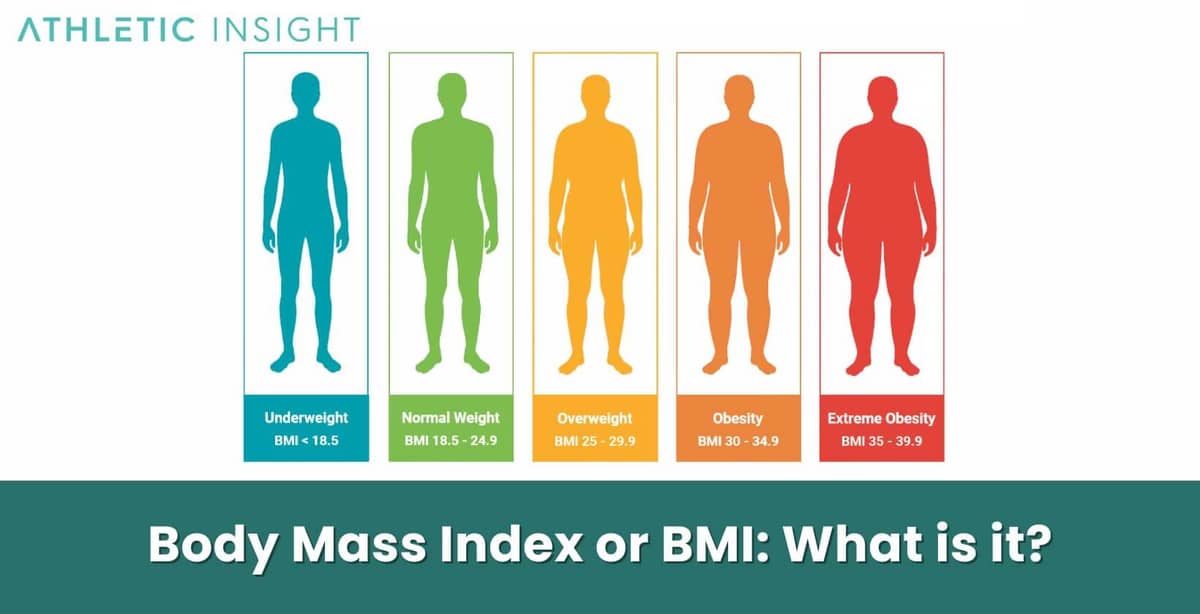
Did you know? Body mass index (BMI) was created in the 19th century to study population trends, not individual health. Experts say body composition and fat distribution offer clearer health insights.
Photo from Athletic Insight.
Diet and lifestyle still matter
Maintaining kidney health does not require eliminating protein altogether. Moderation, appropriate portioning, and choosing protein sources from lean meats, fish, eggs, and plant-based foods can meet nutritional needs without unnecessary strain on the kidneys. Avoiding high-protein supplements when they are not medically indicated, especially without professional guidance, can reduce potential harm.
Regular physical activity, balanced meals, and attention to body composition remain key preventive measures. Traditional Filipino dishes can also be adapted to retain familiar flavors while supporting kidney-friendly nutrition.
Early testing makes the difference
Even with an active lifestyle and balanced diet, early-stage CKD often presents no symptoms. Testing remains the only reliable way to detect kidney problems early. Mercury Drug Corporation, in partnership with AstraZeneca Philippines and Diabetes Philippines, is offering free Urine Albumin-to-Creatinine Ratio (UACR) screening at select branches in EDSA Pavilion and EDSA Shangri-La Plaza in Mandaluyong City, Trinoma Mall in Quezon City, and Noveleta Magdiwang in Cavite. The tests are available year-round, from Wednesdays to Sundays, during each branch’s operating hours.
The simple, non-invasive test measures protein levels in urine, an early sign of kidney stress, and is complemented by blood sugar, blood pressure, and BMI checks.
Combining preventive testing with informed diet and lifestyle choices allows individuals to protect their kidneys, even when they appear outwardly healthy.
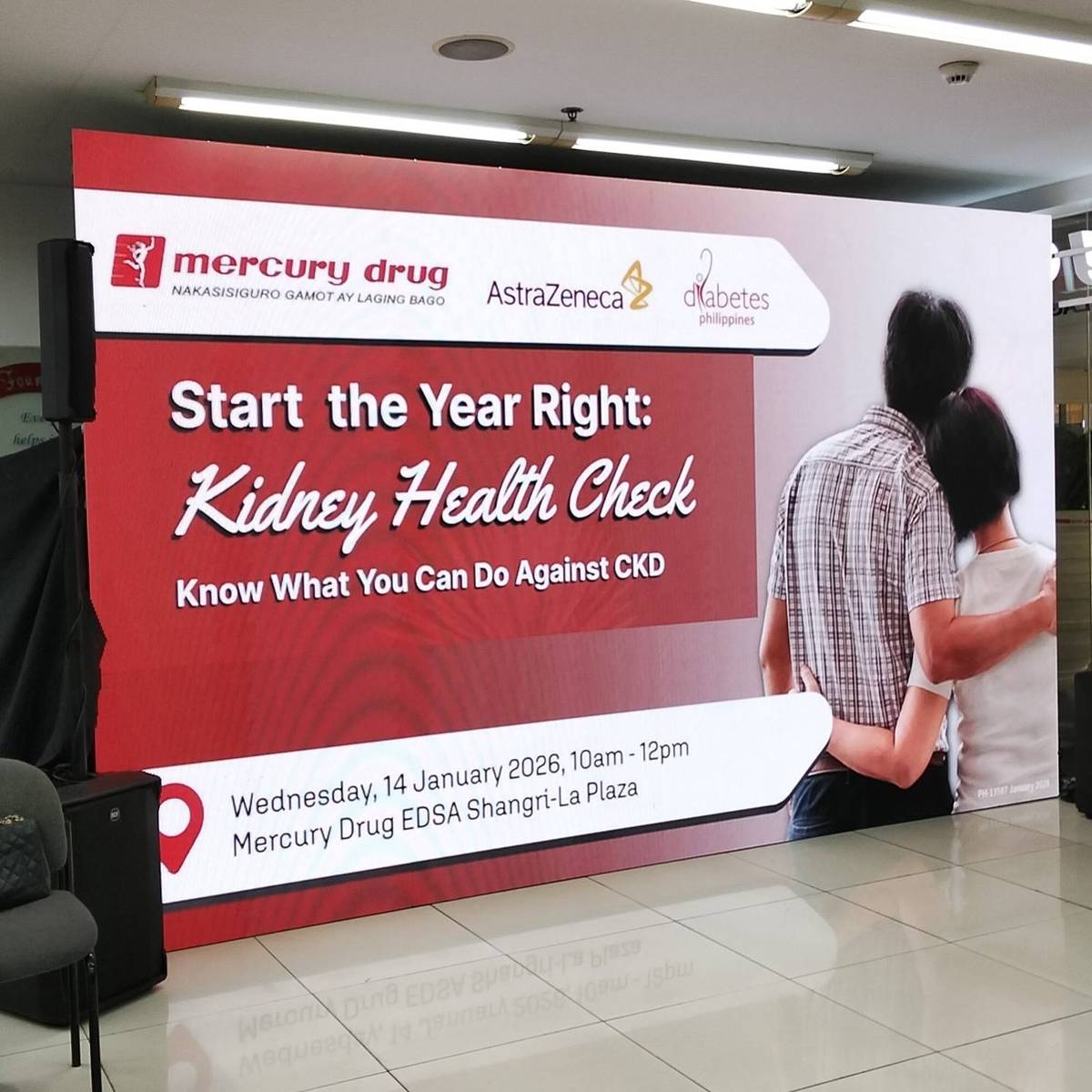
Selected Mercury Drug branches offer free Urine Albumin-to-Creatinine Ratio (UACR) screening year-round, available from Wednesdays to Sundays.
Photo by Amelia Clarissa de Luna Monasterial for Daily Tribune images.