
Travel tax removal pushed

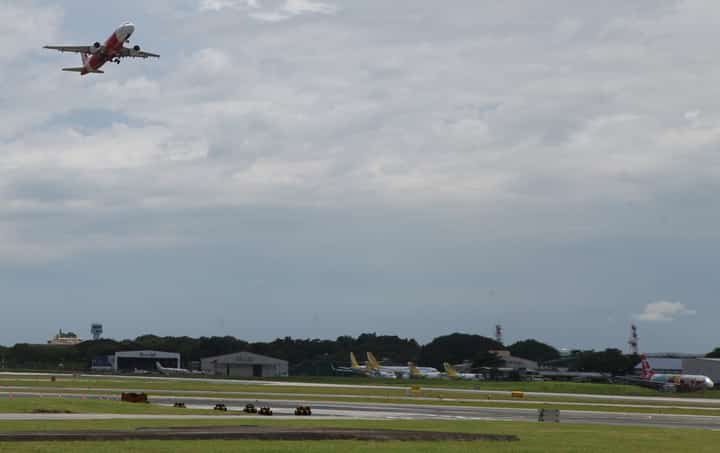
A passenger plane is seen taking off at the Ninoy Aquino International Airport. Air transport statistically is still the safest way to travel, according to studies.
Photograph by Joey Sanchez Mendoza for the DAILY TRIBUNE
Senator Raffy Tulfo renewed on Tuesday, 13 January, his call for the passage of a measure seeking to remove the travel tax being imposed on Filipinos flying economy class abroad.
Tulfo said his measure, logged as Senate Bill No. 88, highlights how the travel tax continues to bear an undue financial burden to economy class passengers who are traveling on budget.
“While the continued collection of travel tax contributes significantly to the development of infrastructure, education, and cultural initiatives, it cannot be denied that the ordinary Filipino traveler, particularly those who travel on economy class, bears an undue financial burden," he stressed.
“This is compounded by the already heavy tax obligations imposed on Filipino citizens, including income and consumption taxes," he added.
In recognition of these circumstances, Tulfo said the legislative measure seeks to exempt economy class passengers from the payment of travel tax.
Tulfo, however, clarified that the bill does not seek to abolish the travel tax in its entirety as “it merely introduces a more equitable structure by retaining the imposition of travel tax on passengers traveling via business class or higher, whose financial standing affords them greater capacity to contribute to national development.”
Travel tax is distributed to the Tourism Infrastructure and Enterprise Zone Authority (50 percent), Commission on Higher Education (40 percent), and to the National Commission for Culture and the Arts (10 percent).