




SC gets $14.5M KOICA grant to digitize courts
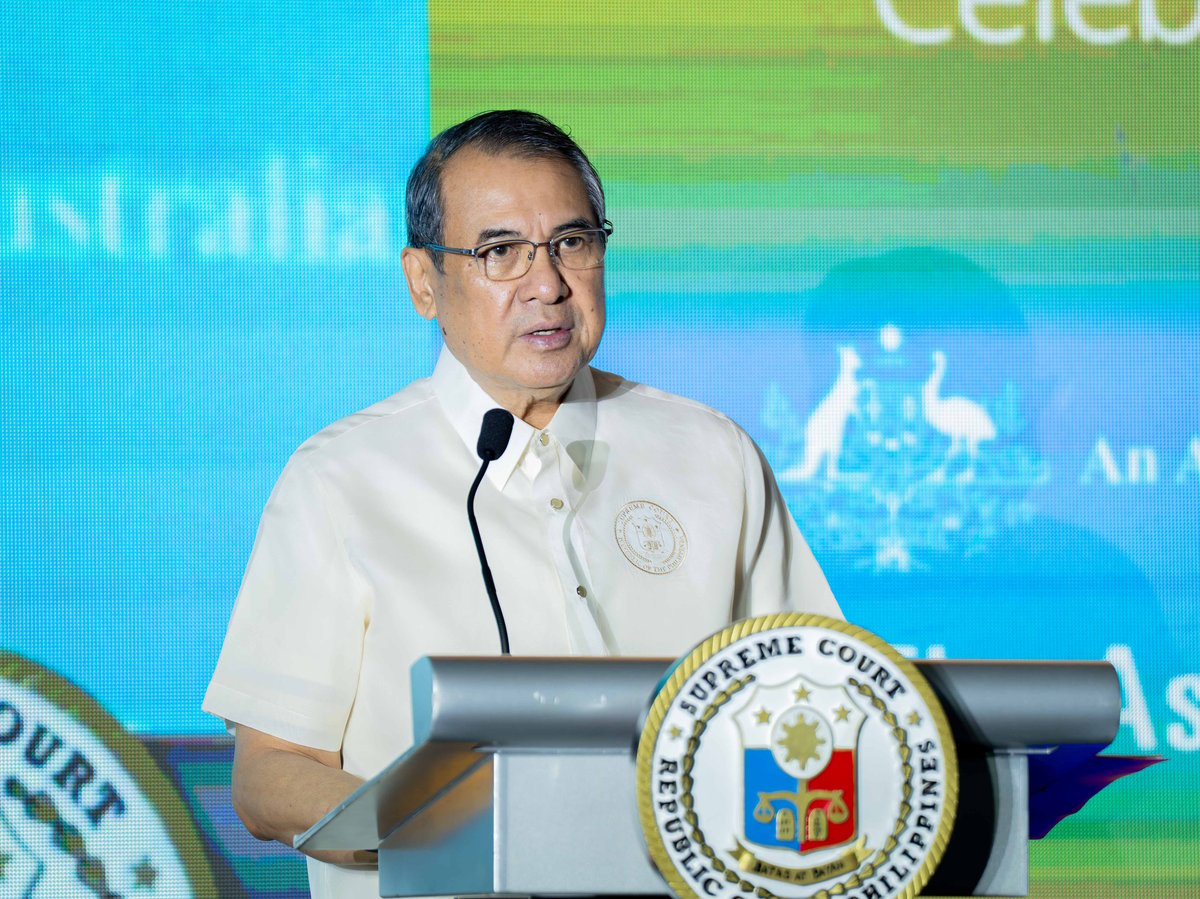
A deal was signed by the Supreme Court (SC) and the Korea International Cooperation Agency (KOICA) formalizing a major push to modernize the country’s courts with a $14.5-million grant aimed at accelerating the digital transformation of the Philippine Judiciary.
With the agreement a framework for an SC project was set seeking to make court processes faster, more accessible, and more transparent through technology.
Chief Justice Alexander Gesmundo, who led the ceremonial signing alongside Korean Ambassador to the Philippines Sang-hwa Lee, said the initiative reflected the Judiciary’s resolve to adapt to the demands of the digital age while preserving its constitutional role.
He said that in an era where technology reshapes how institutions serve their constituencies, the Judiciary must evolve, without compromising its independence, integrity, and constitutional mandate.
The project is built around three core outputs: the creation of an electronic verification system, the digitization of court records, and extensive capacity-building programs for judges and court personnel.
This will result to the streamlining judicial workflows and reduce delays that have long plagued court proceedings.
KOICA under the partnership, will support four major components: digital transformation consulting to redesign court processes and policies; development of software for document digitization, electronic verification, and case management; establishment of secure and modern IT infrastructure; and comprehensive training programs for judges, court staff, and information technology professionals.
The project began with the SC En Banc’s approval of the concept paper on 9 September 2024, and was followed by a preliminary survey in January 2025 and an implementation survey from 30 June to 8 July 2025, which provided data used to fine-tune the project’s scope and execution.
The SC and KOICA with the signing of the Record of Discussions, moved the long-planned modernization effort from blueprint to implementation, marking one of the most significant digital reform initiatives undertaken by the Philippine Judiciary to date.
Three decades after the Marcopper mining disaster devastated Marinduque’s waterways, the province is again pressing the…
Housing is probably the biggest issue affecting people the world over.
Malacañang on Monday called for a more thorough investigation into the questioned flood control projects in Taguig…
The defense on Monday backed the move by senator-judges to exclude a prosecution witness who testified on the firearms…
