
Arm sore, heart grateful: A reminder about adult vaccinations
The gift of prevention doesn’t end in childhood — it continues with every shot we choose to take.


As I turned 50, I found myself in the clinic not as a doctor, but as a patient. The nurse swabbed my arm, counted down softly — “One, two, three” — and in went the zoster vaccine.
Sometime later, my arm throbbed with that familiar post-injection ache, the kind that says your immune system is awake and doing its job. I rubbed the spot, grabbed an ice pack and thought, “So this is 50.”
When we think of vaccines, we often picture babies in diapers getting their first series of shots. But the truth is, immunity isn’t a one-time deal — it’s a lifelong partnership. As we age, our defenses wane, diseases evolve and our risk factors change. The zoster vaccine, which protects against shingles, is one of those important adult milestones — a quiet but powerful reminder that prevention doesn’t stop at childhood.
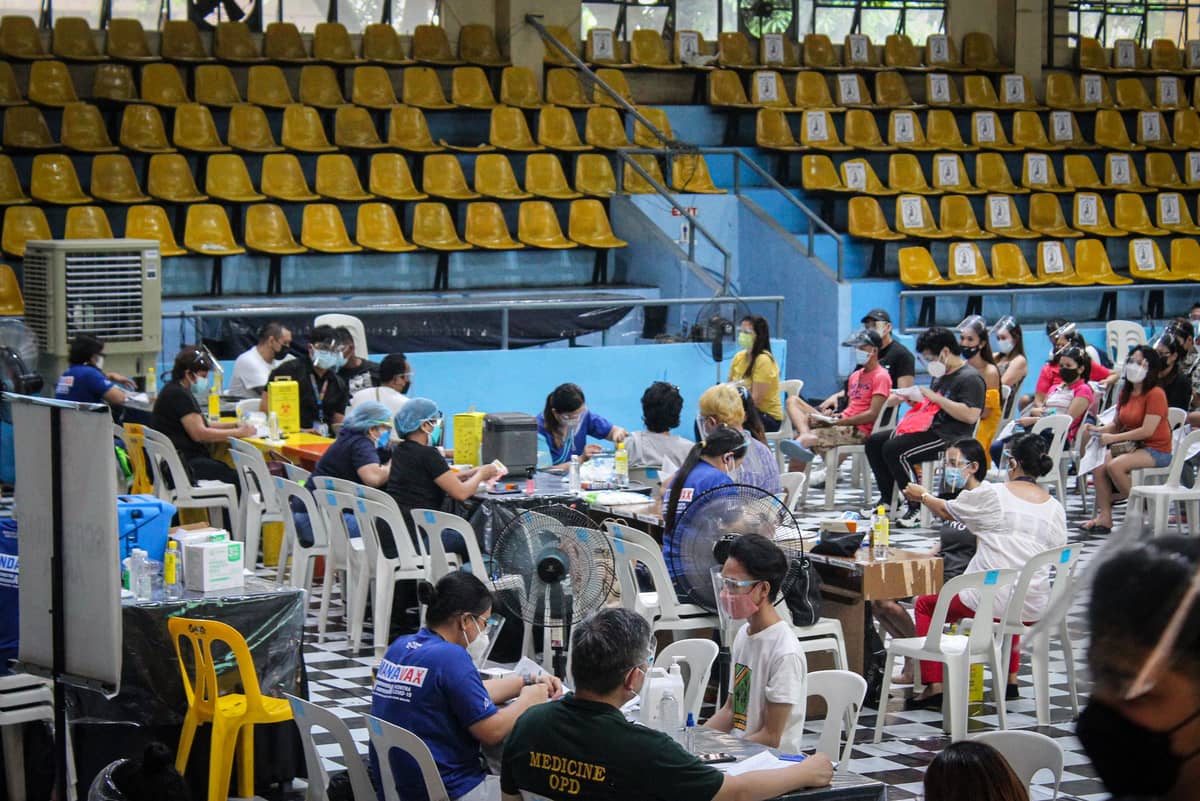
FILIPINOS receive Covid-19 vaccine.
Daily tribune images
This is the essence of the life-course approach to immunization — the understanding that protection should follow us through every stage of life. Our risks shift as we grow older: young adults encounter different exposures, mid-life brings chronic conditions and older age increases vulnerability to infections like pneumonia and shingles. A life-course approach makes sure vaccination schedules adapt to our age, lifestyle and specific health risks, reminding us that staying protected is not a childhood chapter but a lifelong commitment
Shingles, or herpes zoster, is caused by the reactivation of the same virus that causes chickenpox. After decades of lying dormant in nerve cells, it can awaken when immunity dips, causing painful rashes and, in some cases, lingering nerve pain known as post-herpetic neuralgia. The recombinant zoster vaccine (RZV) is now recommended for adults 50 years and older — two doses given two to six months apart. Even those who’ve had shingles before, or who received the older live vaccine, are advised to get it because RZV provides stronger and longer-lasting protection.
That single jab made me realize how many adults still put off their own vaccinations, either because they think they’re “too old for shots” or because they simply lose track of what’s due. But vaccines aren’t just about avoiding infection — they’re about preserving function, preventing hospitalization and maintaining quality of life.
What else should be on an adult’s vaccination checklist?
For starters, the influenza vaccine remains a yearly must. Influenza is far from “just the flu” — it can lead to severe illness, especially among older adults and those with chronic conditions like diabetes or heart disease. Each year’s formulation targets the strains expected to circulate that season, so annual protection matters.
Then there’s the Tdap booster, which guards against tetanus, diphtheria and pertussis (whooping cough). Adults should receive one dose of Tdap if they never had it as a teen, followed by a booster every 10 years — either Td or Tdap. Pregnant women are advised to get Tdap during each pregnancy to protect their newborns from pertussis in the first vulnerable months of life.
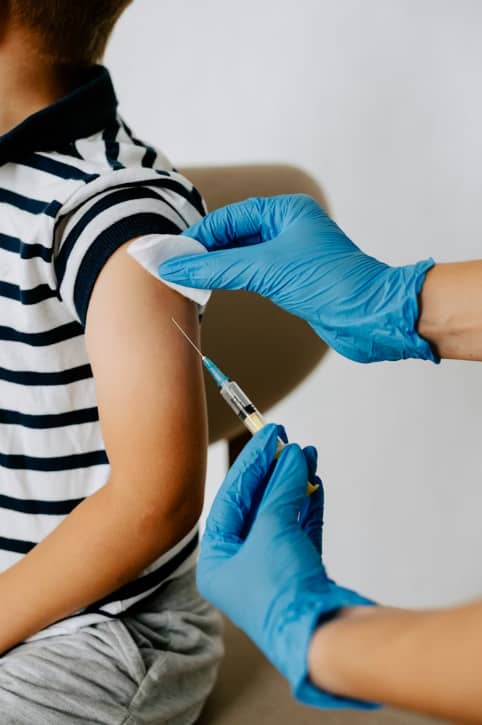
NO one is ‘too old for shots.’
Photograph courtesy of UNSPLASH
According to Dr. Jemelyn Garcia, an infectious disease expert and Medical Specialist III at the Research Institute for Tropical Medicine (RITM), pneumonia deserves a special mention because it remains one of the leading causes of hospitalization and death among Filipino adults — yet it is also one of the most preventable.
Pneumococcal disease can cause severe lung infection, and brain and bloodstream infections, particularly in adults over 60 and in people with diabetes, heart disease, lung disease or weakened immunity.
In the Philippines, pneumococcal vaccination is recommended for all adults 50 and older, and earlier for those with chronic conditions. In a country where respiratory infections are common, this vaccine becomes not just optional but essential — another layer of protection that keeps adults out of the hospital and preserves years of healthy living.
Hepatitis B vaccination is now recommended for all adults up to age 59 and for older adults with risk factors such as diabetes, chronic liver disease or occupational exposure. The human papillomavirus (HPV) vaccine isn’t just for teens anymore. Adults up to age 26 who weren’t vaccinated earlier should still get the series and vaccination up to age 45 may be considered after discussion with a healthcare provider. MMR (measles, mumps, rubella) and varicella (chickenpox) vaccines remain essential for those who never acquired immunity.
And yes, Covid-19 vaccination continues to play a role, with updated formulations recommended depending on circulating variants and personal risk.
When you line them up, it might sound like a lot of shots — but most of these are spaced years apart and some may already be done without you realizing it. What’s important is to review your vaccination history at every check-up. Your doctor can help fill in the gaps, especially if you’re managing chronic illness, taking immunosuppressants or planning to travel.
But vaccination isn’t only about personal protection — it’s also an act of community care. Vaccines are not a sign of weakness; they are a declaration of hope — that we choose to stay well, to stay present for our families.
When enough people are immunized, herd immunity forms a protective ring around those who cannot receive vaccines themselves: newborns, people with severe allergies or patients with weakened immune systems from cancer therapy or transplants. Every adult who rolls up a sleeve adds one more layer of defense for someone more vulnerable.
So if you’re reading this, consider this your friendly reminder: ask your doctor which vaccines you’re due for. Because every sore arm today is a stronger, safer tomorrow for ourselves and those around us.