




Fighting diabetes before it’s too late

Text size
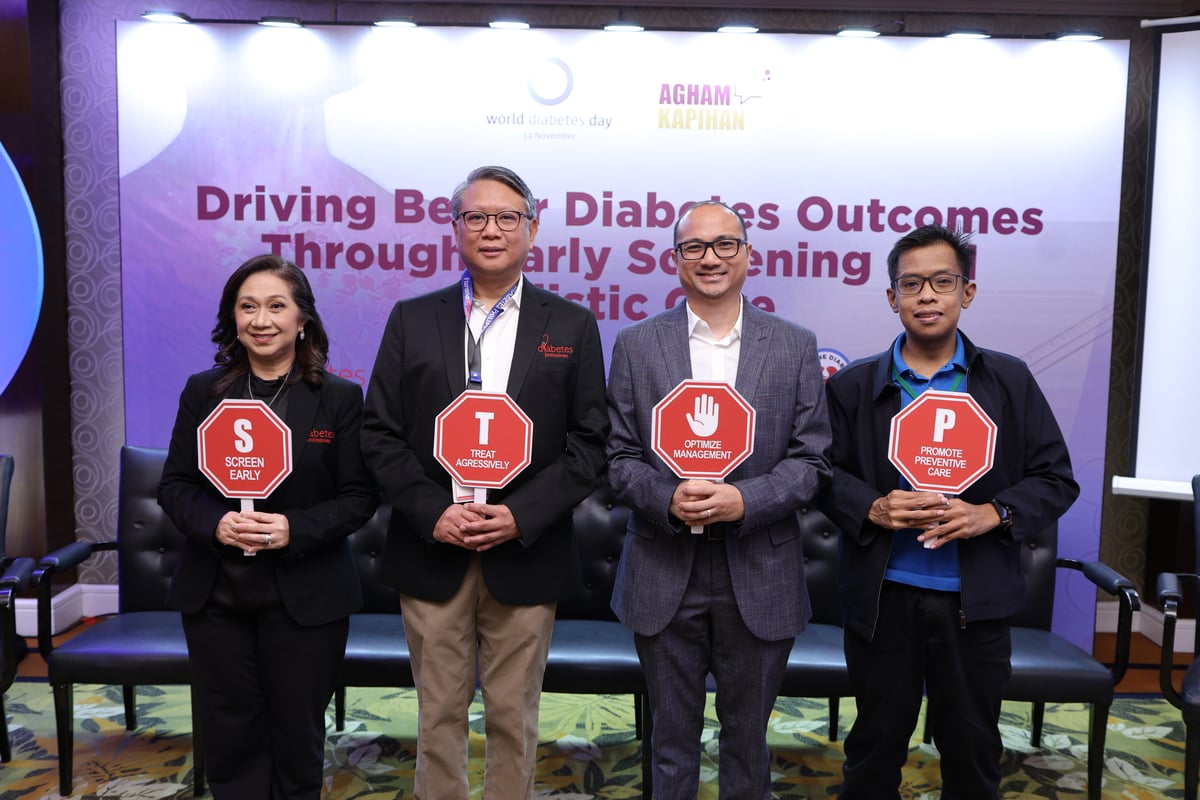
On World Diabetes Day last 14 November, Diabetes Philippines and AstraZeneca launched the “STOP Diabetes ACT NOW” campaign, urging Filipinos to get early diabetes screening. The talk specifically focused on Type 2 Diabetes (T2D), the most common form of diabetes—and its serious complication, Chronic Kidney Disease (CKD).
Diabetes affects about 4.7 million Filipino adults and is the fifth leading cause of death in the country. Hence, the campaign brings together healthcare experts, patient advocates, and partner organizations to encourage early testing and treatment.
“As we celebrate World Diabetes Day, we in the medical community, as well as our patient partners, sound the bell to ACT NOW,” said Dr. Francis Pasaporte, past president of Diabetes Philippines.
What is Type 2 Diabetes?
Type 2 Diabetes is a chronic condition where the body becomes resistant to insulin or doesn’t produce enough insulin to properly manage blood sugar. Insulin is a hormone that helps the body turn sugar (glucose) into energy. When insulin doesn’t work well, sugar builds up in the blood, leading to high blood sugar levels.
This differs from Type 1 Diabetes, which is an autoimmune condition where the body produces little to no insulin due to the immune system attacking insulin-producing cells. Type 1 usually appears earlier in life and requires insulin injections, while Type 2 often develops later and is linked to lifestyle factors like diet and exercise.
If unmanaged, T2D can lead to serious health problems including CKD, which affects about 40% of T2D patients during their lifetime. About 7.5% of Filipinos aged 20-79 have diabetes. Alarmingly, more than half of these adults don’t know they have it, making early screening critical to prevent disease progression.
“Diabetes is a big problem that is affecting our nation,” said Dr. Rey Rosales, Treasurer of Diabetes Philippines. “Which is why early screening is one of the most powerful tools we have to save lives and prevent severe complications such as CKD.”
How to get early screening for diabetes
Early diabetes screening is done through simple blood tests that can detect high blood sugar even before symptoms appear. The most common tests include the fasting blood glucose test, which measures blood sugar after at least eight hours without food or drink; the oral glucose tolerance test, which measures blood sugar before and after drinking a sugary solution; and the HbA1c test, which reflects average blood sugar levels over the past two to three months and does not require fasting.
Medical guidelines recommend that adults over 40, those with a family history of diabetes, overweight individuals, or people with other risk factors such as high blood pressure or sedentary lifestyles get screened regularly.
In the Philippines, these tests are available at government health centers and private clinics. Additionally, PhilHealth supports early diabetes screening through programs like Yaman ng Kalusugan (YAKAP), making it easier for Filipinos to access testing and care.
Early detection allows people to make lifestyle changes—like improving diet, exercising regularly, and managing weight—and begin treatment if needed, to prevent the disease from worsening.
“We now focus not just on curing, but also preventing, promoting health, rehabilitating, and providing palliative care,” said Dr. Lydia Labro of PhilHealth. “Under YAKAP, primary care, diagnostic tests like HbA1c, and essential diabetes medicines are covered.”
STOP Diabetes, ACT NOW
Dr. Rey Rosales shared that 7 out of 10 working Filipinos are affected by diabetes, impacting their most productive years.
“Our battle cry has always been the diabetics of tomorrow will come from the children of today,” said Dr. Fatma Tiu, President of Diabetes Philippines. “We will start by screening the family members of our diabetic patients and create clinics nationwide using PhilHealth programs.”
“Let's get ourselves screened,” said Reynaldo Abacan Jr, President of Dialysis PH. “Even if we don’t feel symptoms, we might already have the disease. Early screening gives people a chance to change their lifestyle and get treatment.”
Dr. Cyril Tolosa, Medical Affairs Director at AstraZeneca Philippines, said, “Our bold ambition is to reduce and eliminate complications and deaths from cardiometabolic diseases like diabetes. We partner with educators, patient groups, local governments, clinics, and drugstores to find and screen diabetes patients for kidney disease.”
Three decades after the Marcopper mining disaster devastated Marinduque’s waterways, the province is again pressing the…
Housing is probably the biggest issue affecting people the world over.
Malacañang on Monday called for a more thorough investigation into the questioned flood control projects in Taguig…
The defense on Monday backed the move by senator-judges to exclude a prosecution witness who testified on the firearms…
