




Realigning wellness through awareness, precision

Text size
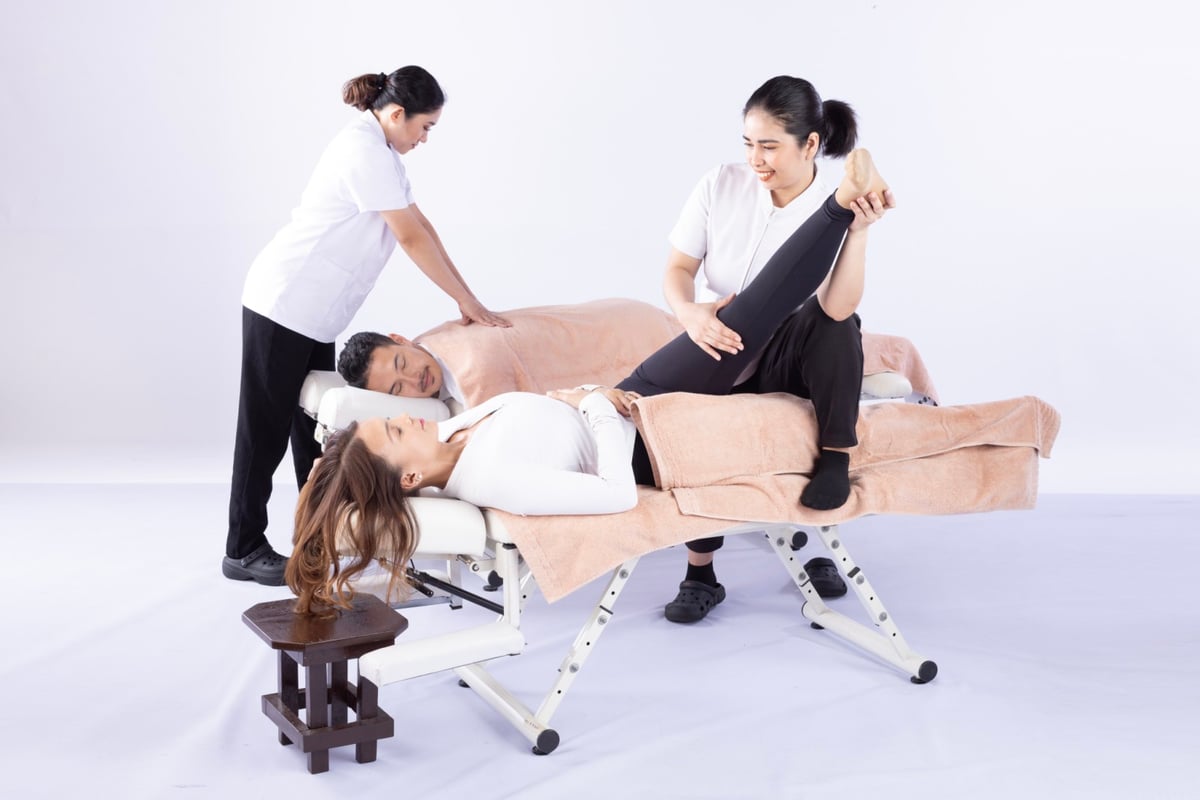
Stiff necks, backaches, and fatigue are often brushed aside until they begin to affect productivity and mood.
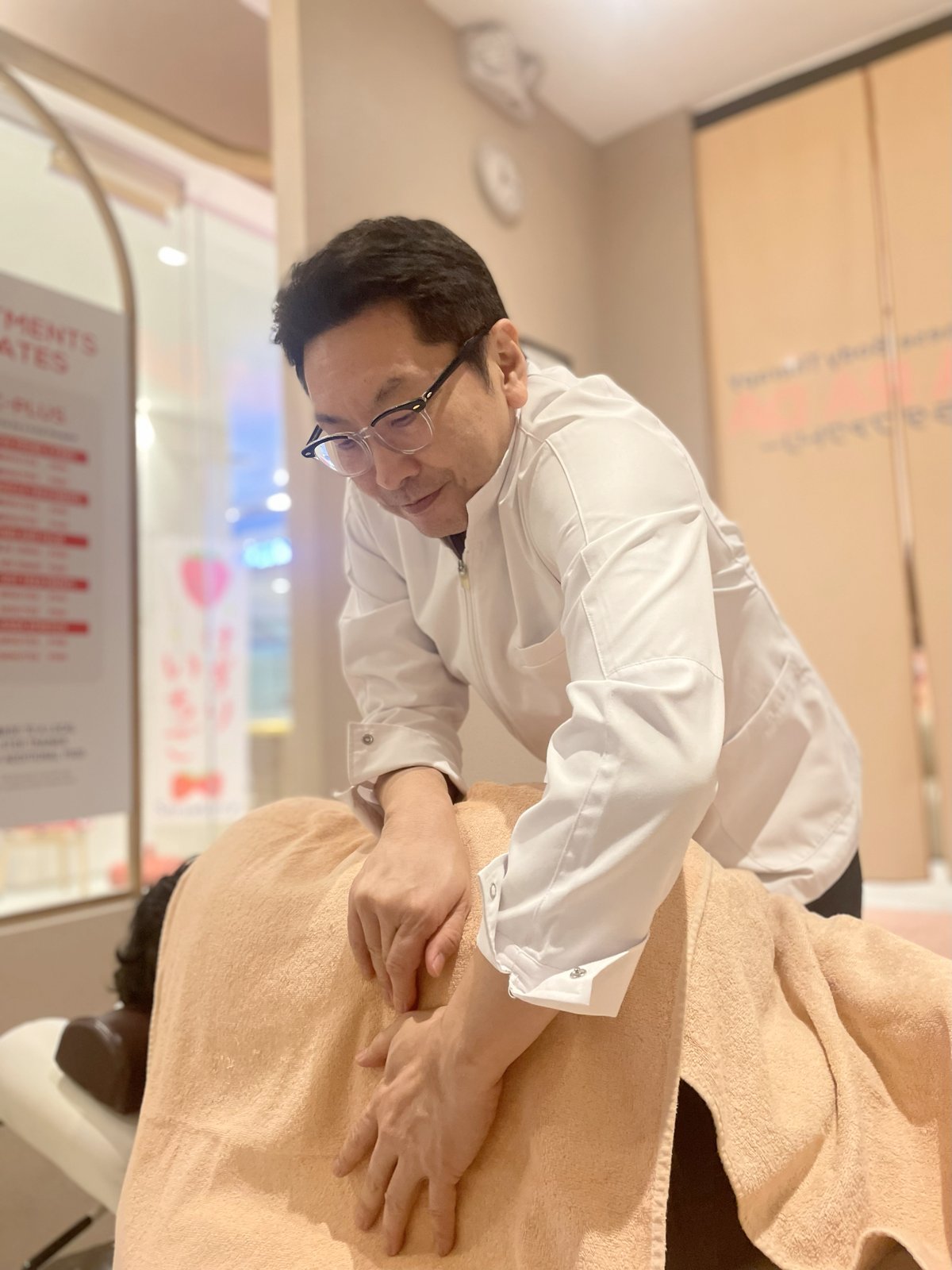
Sensei Hiroaki Naruse, FJG International’s regional manager and head trainer for the Philippines.
Buddies, associates? One happy family?
A traditional dish called zongzi is served during China’s Dragon Boat Festival, which falls in June. It is a rice…
Divina credited the firm’s achievements to its members, thanking them for their ‘hard work, dedication, teamwork, and…
‘Sec. Vince Dizon, please explain how this finding of your own team should not be flagged as a ghost project in Taguig.’
At a time when professionals spend hours in front of screens, posture-related pain has quietly become a common struggle. Stiff necks, backaches and fatigue are often brushed aside until they begin to affect productivity and mood. To understand how posture correction can make a difference, we tried Karada, Japan’s leading body therapy brand known for its holistic approach to alignment and balance.
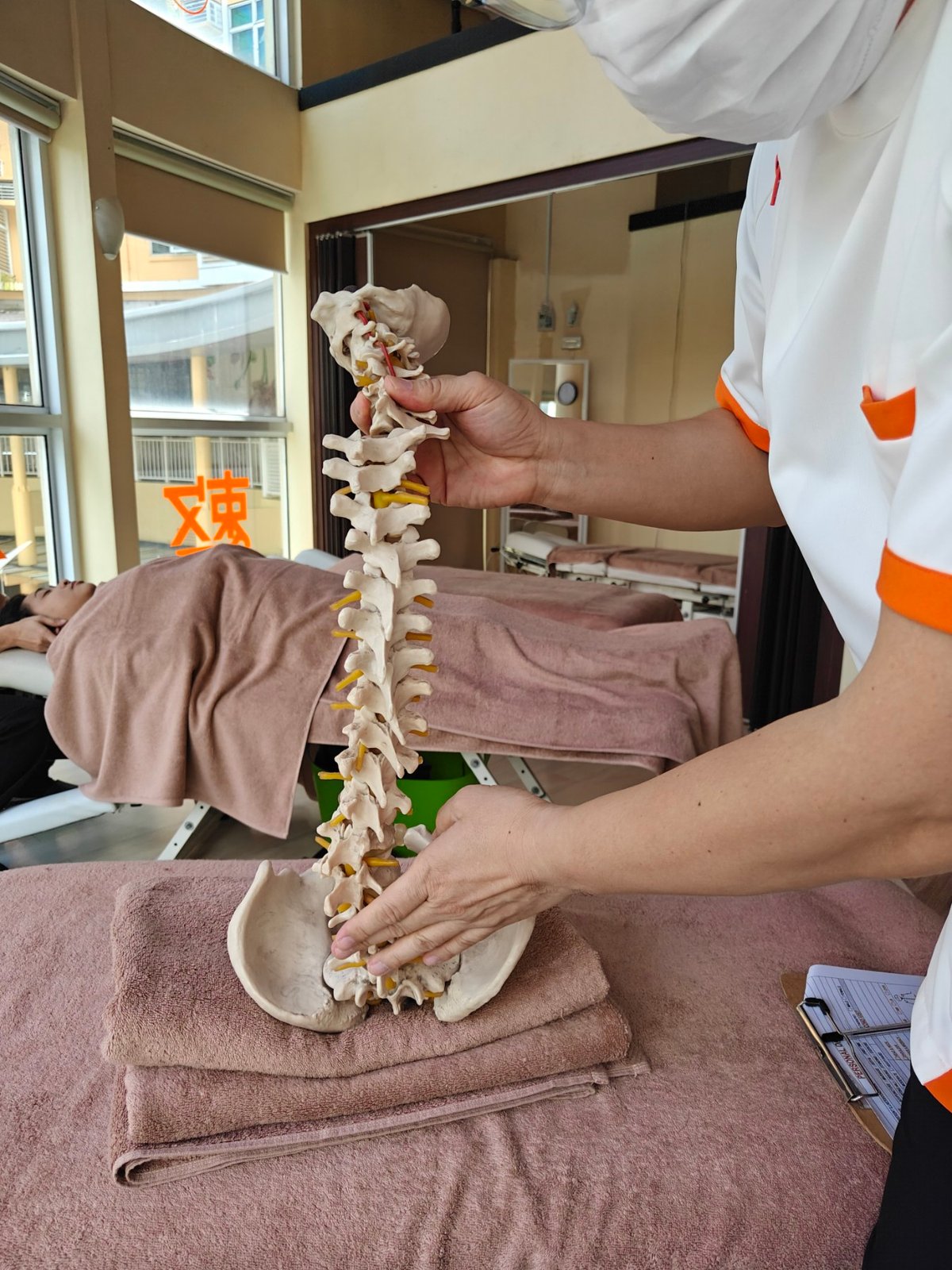
Karada, which has been operating in the Philippines since 2012, has built a reputation for providing natural relief through its signature AP Balance therapy. Developed in Japan, the method focuses on the Atlas (the upper spine) and the Pelvis (the body’s base), which are often misaligned due to poor posture or uneven weight distribution.
Before any treatment began, Sensei Hiro, FJG International’s regional manager and head trainer for the Philippines, assessed our posture and movement. He explained that our spine was misaligned because of a lack of body awareness. Everyday habits — such as sitting incorrectly, leaning to one side while standing, or crossing the legs too often can gradually cause imbalance. These imbalances, he said, are often the hidden reasons behind recurring neck stiffness, headaches and muscle tightness.
The session started with gentle adjustments under the AP Balance® therapy. The treatment, which combines techniques from chiropractic, osteopathy, and muscle stretching, focused on restoring symmetry rather than applying pressure. Within minutes, we noticed a significant difference. The usual tension around the neck and shoulders eased, our posture felt lighter, and the constant tightness built up from long hours of sitting was gone.
According to Hanna Stelton, general manager of Karada Philippines, consistency is key to long-term results. “Karada is a form of body maintenance called seitai. It helps correct posture-related issues such as scoliosis, frozen shoulder and back pain. Regular sessions train the body to maintain proper alignment,” she shared.
Karada’s therapists undergo extensive training under Sensei Hiroaki Naruse and Iku Sumiya, assistant head trainer, to ensure each movement follows strict safety and anatomical standards. The process involves studying physiology, anatomy and precise alignment techniques before earning certification.
Sensei Hiro also addressed one of the most common misconceptions among clients. “Cracking is not the purpose of treatment. It can happen naturally during adjustments, but the goal is alignment and muscle balance,” he clarified.
Karada’s holistic method has helped countless clients find relief from posture-related pain without resorting to invasive procedures. Many report improvements in their overall body awareness after just one session, noting lighter movement and reduced fatigue.
From its beginnings in Japan in 2001 under founder Yuki Koyasu, Karada has grown into an international wellness brand with over 300 branches in Japan and 17 in the Philippines. Each location upholds the same philosophy: that true healing begins with understanding how the body moves, rests, and maintains balance.
After trying the AP Balance therapy, it became clear why Karada continues to lead the wellness industry. Its gentle precision, science-based methods and emphasis on posture awareness deliver more than temporary relief — they help the body rediscover how to move and feel right again.
