
Quezon City and Dumaguete join UNESCO Creative Cities Network
‘UNESCO Creative Cities demonstrate that culture and creative industries can be concrete drivers of development.’ — UNESCO Director-General Audrey Azoulay

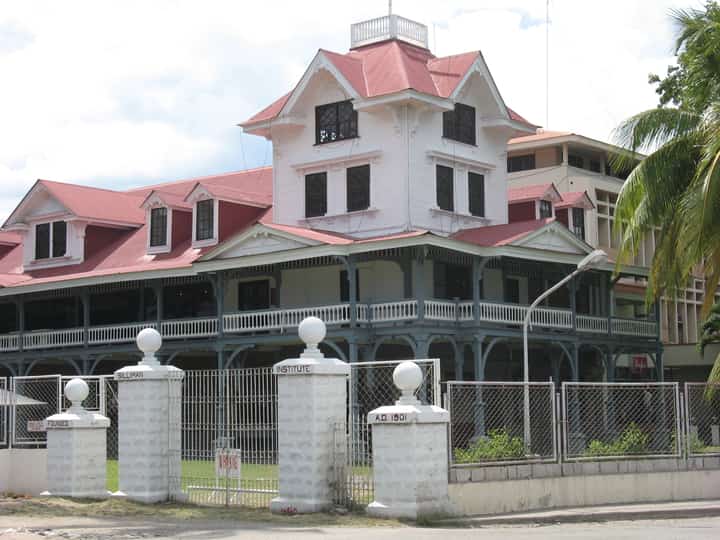
Two more of Philippine cities have become new members of the UNESCO Creative Cities Network (UCCN) — Quezon City, designated as a UNESCO Creative City of Film, and Dumaguete City in Negros Oriental as UNESCO Creative City of Literature.
United Nations Educational, Scientific and Cultural Organization Director-General Audrey Azoulay made the announcement on 31 October, on the occasion of World Cities Day 2025.
“UNESCO Creative Cities demonstrate that culture and creative industries can be concrete drivers of development. By welcoming 58 new cities, we are strengthening a Network where creativity supports local initiatives, attracts investments and promote social cohesion,” she said.
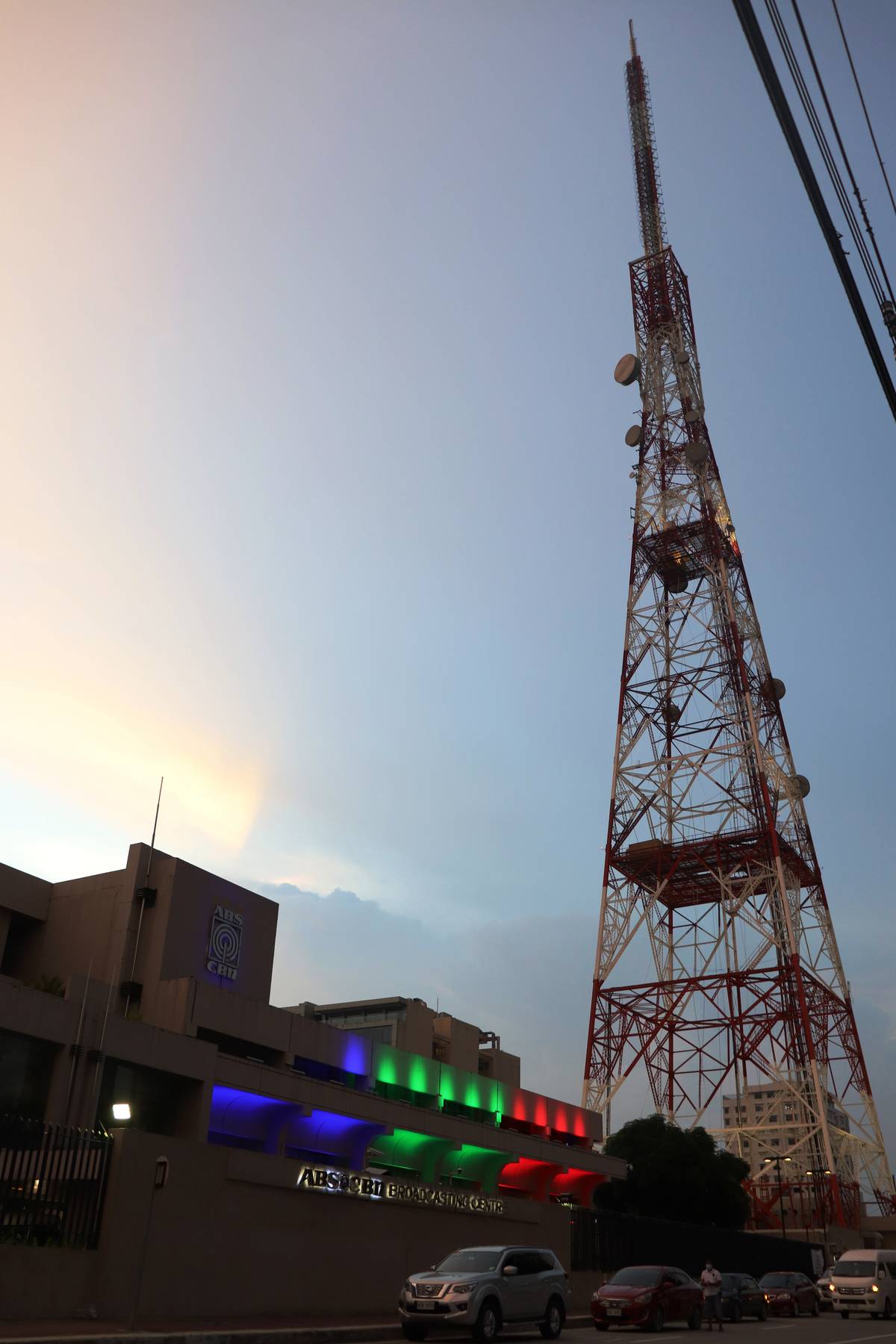
Quezon City has been home to many film studios and broadcast companies.
Other cities that joined the UNESCO Creative Cities Network this year are Aberystwyth (Literature), Abuja (Literature), Al-Madinah Al-Munawwarah (Gastronomy), Andenne (Crafts and Folk Art), Bistrita (Architecture), Bobo-Dioulasso (Crafts and Folk Art), Celje (Literature), Cheongju City (Crafts and Folk Art), Conakry (Literature), Cuenca (Gastronomy), Daugavpils (Design), Echizen City (Crafts and Folk Art), Evian (Music), Faenza (Crafts and Folk Art), Gdańsk (Literature), Giza (Film), Hebron (Crafts and Folk Art), Ho Chi Minh City (Film), Höhr-Grenzhausen (Crafts and Folk Art), Kahramanmaraş (Literature), Kashan (Architecture), Kelowna (Gastronomy), Kisumu (Music), Korhogo (Music), Kuala Lumpur (Design), Kyiv (Music), La Spezia (Design), Lalitpur (Music), Liège (Music), Lubango (Crafts and Folk Art), Lucknow (Gastronomy), Lund (Literature), Lusail (Architecture), Malang (Media Arts), Manizales (Gastronomy), Masaya (Crafts and Folk Art), Matosinhos (Gastronomy), Nan (Crafts and Folk Art), New Orleans (Music), Nikšić (Music), Ponorogo (Crafts and Folk Art), Quanzhou (Gastronomy), Quito (Architecture), Riyadh (Design), Rovaniemi (Architecture), Safi (Crafts and Folk Art), San Javier de Loncomilla (Gastronomy), San Luis Potosí (Literature), São Paulo (Film), Sarchí (Crafts and Folk Art), Sifnos (Crafts and Folk Art), Songkhla (Gastronomy), Tangier (Literature), Varna (Media Arts), Wuxi (Music), and Zaragoza (Gastronomy).
Architecture was added this year to the network’s seven existing fields: Crafts and Folk Art, Media Arts, Design, Film, Gastronomy, Literature and Music.
Why they made it
The two cities’ journey to UCCN membership started when the Department of Trade and Industry (DTI) and the National Commission for Culture and the Arts (NCCA), in collaboration with the Office of Congressman Christopher de Venecia and Philippine National Commission for UNESCO (Unacom), launched a call on 9 July 2024 for Philippine cities to join the network.
By August, Dumaguete City and the Quezon City Film Commission (QCFC) submitted their letters of intent and applications. On 31 October, DTI and NCCA announced their endorsement of the two cities to the UCCN.
For reasons why the city should be designated Creative City of Literature, Dumaguete cited being home to Asia’s longest-running writers’ workshop, Silliman University National Writers Workshop; the Silliman University Library’s holding of about 100,000 books; vibrant literary scene and a nurturing place for writers; and strong support for local creatives. The city also holds the Dumaguete Literary Festival annually.
Quezon City has long been known as home to several film companies—including Sampaguita Pictures and LVN Pictures — as well as two broadcast giants, GMA 7 and ABS-CBN, which also produces movies through their film production arms. The local government also has been active in supporting the film sector including the annual holding of QCinema International Film Festival since 2013.
Its designation as UNESCO Creative City of Film is a first in Southeast Asia. Dumaguete is the second Southeast Asian city to be designated Creative City of Literature after Jakarta in 2021.
The designation of Quezon City is timely as the city intends to affirm itself as the country’s center for film when it holds QCinema 2025 with the theme “QC Film City.”
In a statement, Quezon City Mayor Joy Belmonte said, “QC Film City is now a name that will forever be etched in the legacy of every filmmaker, artist and storyteller who has shaped our city’s vibrant film heritage. From the golden era of Sampaguita Pictures and the brilliance of icons like Lino Brocka, Dolphy, Nora Aunor and Fernando Poe Jr., to the new generation of creators bringing our stories to life today — this recognition honors each and every one of them.”
“This is for the workers behind the screen and the QCitizens who deserve quality access to films. Today, we celebrate a big achievement in Philippine cinema but the work starts again tomorrow,” she further said.
Belmonte said that the city will continue to enforcing film worker protection policies, developing sustainable talent and professionalization programs to uplift the local film workforce, and pursuing global recognition for Filipino filmmakers. They also make films more accessible to citizens.
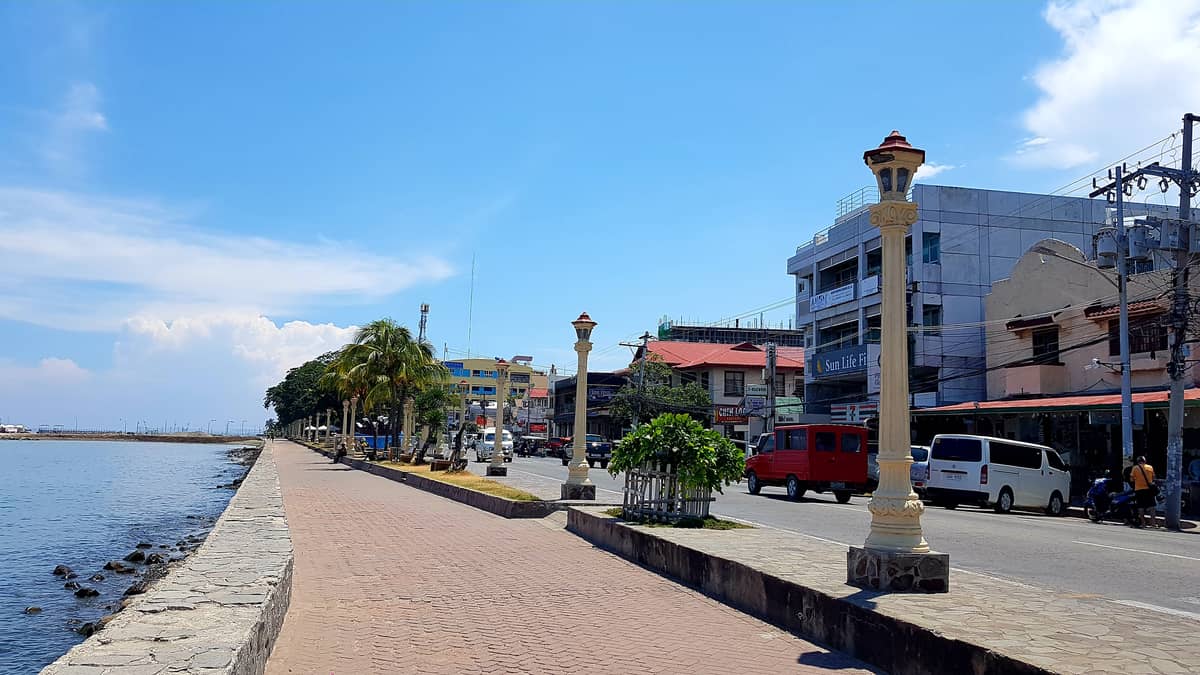
Dumaguete City’s famous Rizal Boulevard.
More to come
The QCFC has already laid out initial projects as Creative City — the QC Screen Academy, a training hub offering skills development in film development, production, distribution, and marketing for both newcomers and experienced professionals; the Global Producers Exchange, a platform connecting film producers from Southeast Asia and UNESCO Creative Cities to collaborate on projects, share insights and discuss industry trends through lectures, consultations, and roundtable discussions; and the Southeast Asia Film Summit, which will gather industry leaders, film commissions, cultural agencies, and policymakers from Southeast Asia and UNESCO Creative Cities to discuss regulations, production incentives and financing.
According to writer Ian Rosales Casocot, who led in drafting the UCCN dossier for Dumaguete, their first project as UNESCO Creative City is the book, The Gentlest City Imagined: An Anthology of Literary Works About Dumaguete and Negros Oriental, to be published by Vibal Foundation.
Launched in 2004, UCCN aims to foster collaboration among cities that recognize creativity as a fundamental catalyst for sustainable urban development. This global community of cities works together to share experiences and create sustainable and inclusive urban development strategies driven by creativity.
UCCN now has 408 cities in more than 100 countries, recognized for their commitment to creative industries and cultural life. Philippine cities that have been previously designated as UNESCO Creative Cities are Baguio City (Crafts and Folk Art, designated in 2017), Cebu City (Design, designated in 2019) and Iloilo City (Gastronomy, designated in 2023).