
SM City Baguio turns rain into potable water amid shortage


(Photo caption) Nestled in the highlands, SM City Baguio showcases how natural abundance can be harnessed sustainably through its rainwater treatment facility.
As water shortages continue to affect communities across the Philippines, SM City Baguio is demonstrating how innovation and sustainability can work hand in hand to address the challenge.
Through its rainwater treatment facility, the mall converts rainwater into potable water, helping ensure a sustainable water supply for its operations.
Despite Baguio’s frequent rainfall, the city struggles with limited water resources. The Baguio Water District rations supply, with some areas receiving water only twice a week. Many residents rely on stored water or purchase additional supplies from private companies when their reserves run out.
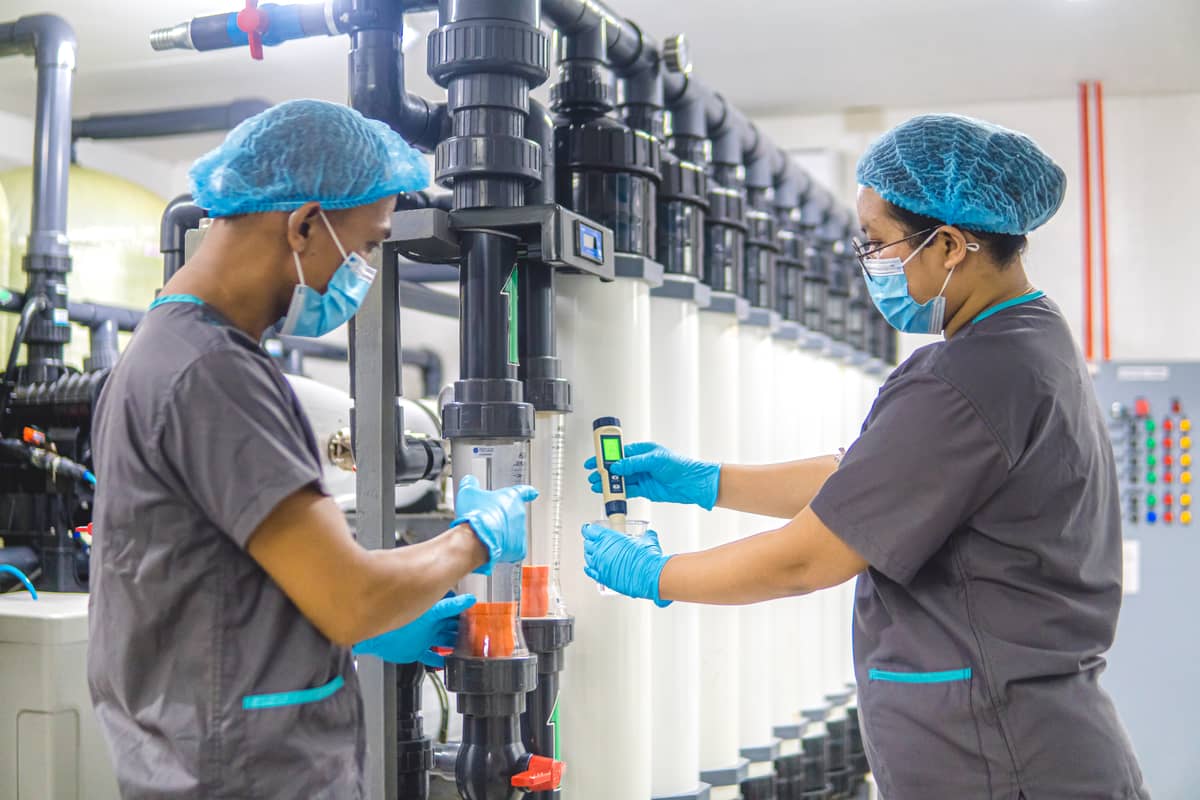
(Photo caption) Through advanced filtration and treatment systems, SM City Baguio converts collected rainwater into potable-grade water, setting a new benchmark for sustainability in commercial developments
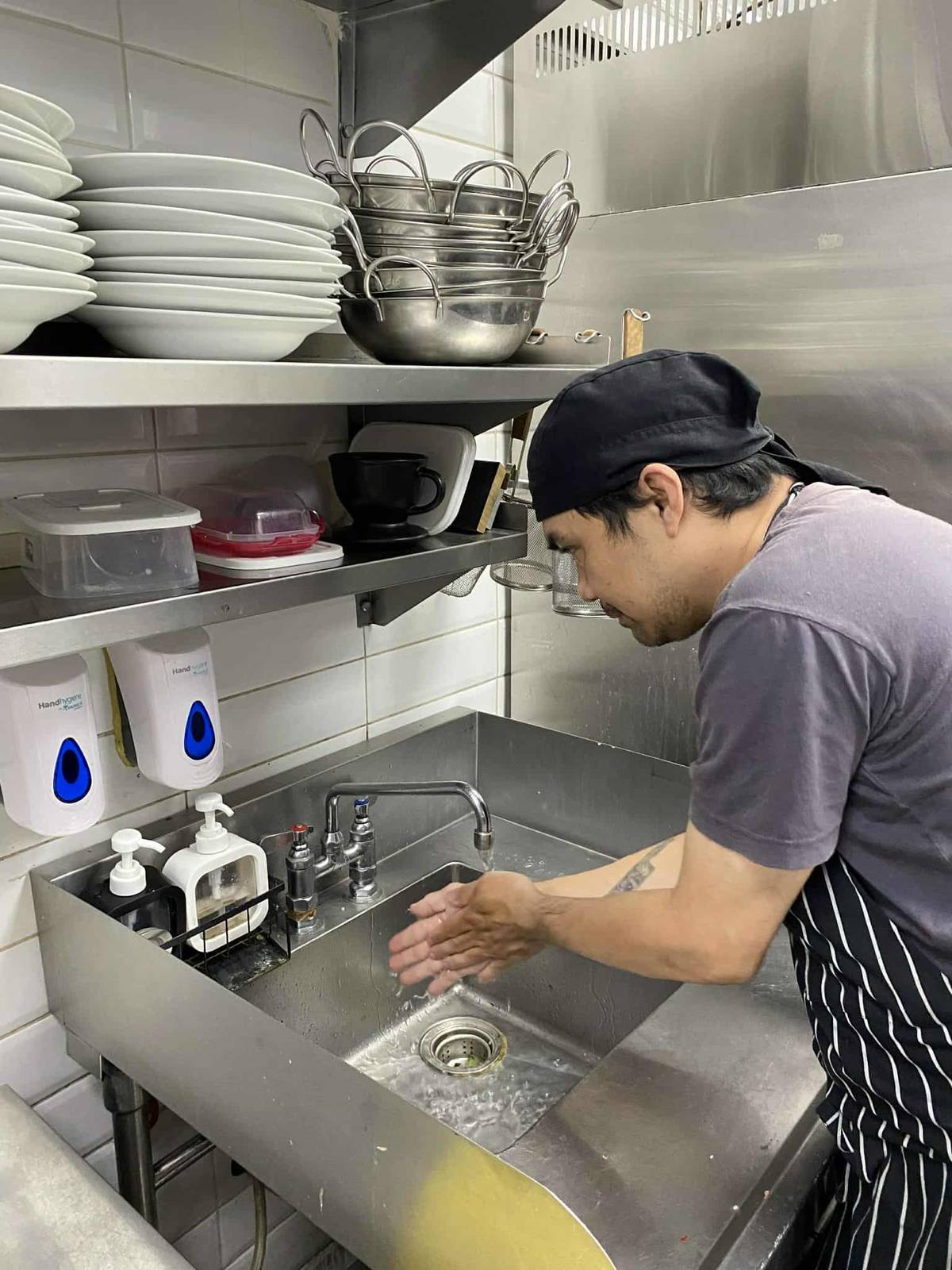
(Photo caption) The innovative system supports mall operations and contributes to SM Prime’s Water for Tomorrow campaign, demonstrating responsible and efficient water use.
SM City Baguio’s system captures, treats, and stores rainwater to potable standards, producing up to 150 cubic meters of safe drinking water daily, with the capacity to double production to 300 cubic meters.
The initiative reduces the mall’s dependence on local water utilities while allowing it to continue serving millions of visitors responsibly. It also highlights how rainwater, when properly managed, can help mitigate urban water scarcity.
“We’ve always valued innovation and creativity in the malls – we take it a step further now to where it truly matters. SM City Baguio’s rainwater treatment facility shows how the right innovation can secure tomorrow’s water,” said SM Supermalls President Steven Tan.