
Meet me in St. Gallen: Knowing more about St. Gall in Switzerland


In northeastern Switzerland, the city of St. Gallen beckons with one of the richest libraries in the world: Abbey Library of St. Gall with over 160,000 books – including ancient ones and letters written by former French emperor Napoleon Bonaparte.
While today’s youth might find the Medieval library “Instagrammable” because of its Rococo interiors, it is actually a legacy and a product of a great sacrifice by a young sixth-century monk, St. Gall.
Born around 550 AD, St. Gall was an Irish monk that left Ireland together with Irish missionary Columbanus and companions. They took with them many manuscripts, which were saved from Viking raiders who already destroyed many Irish texts. Monks then painstakingly reproduced The Bible and historical records on vellum by hand.
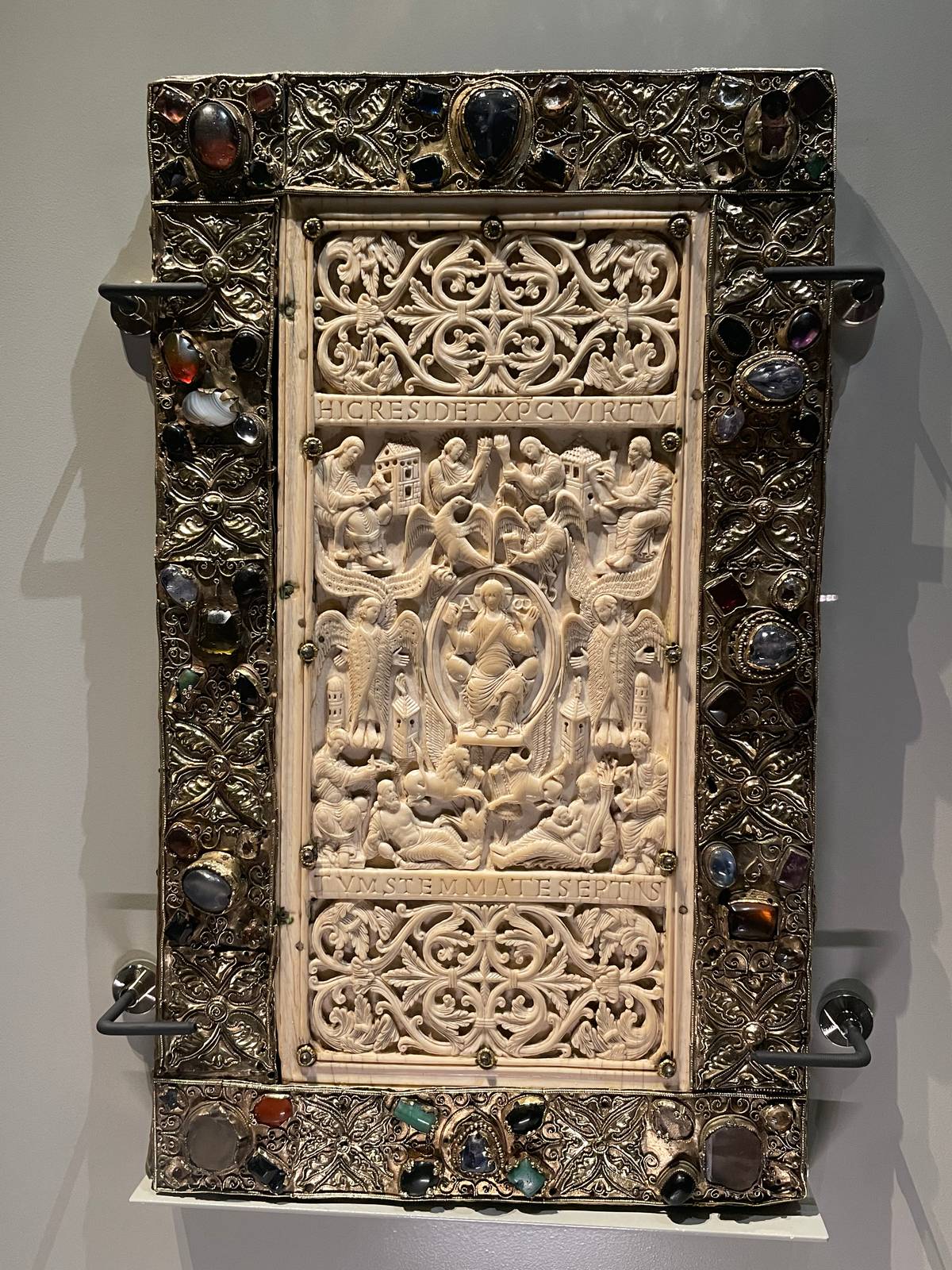
Bible covered with gems and ivory.
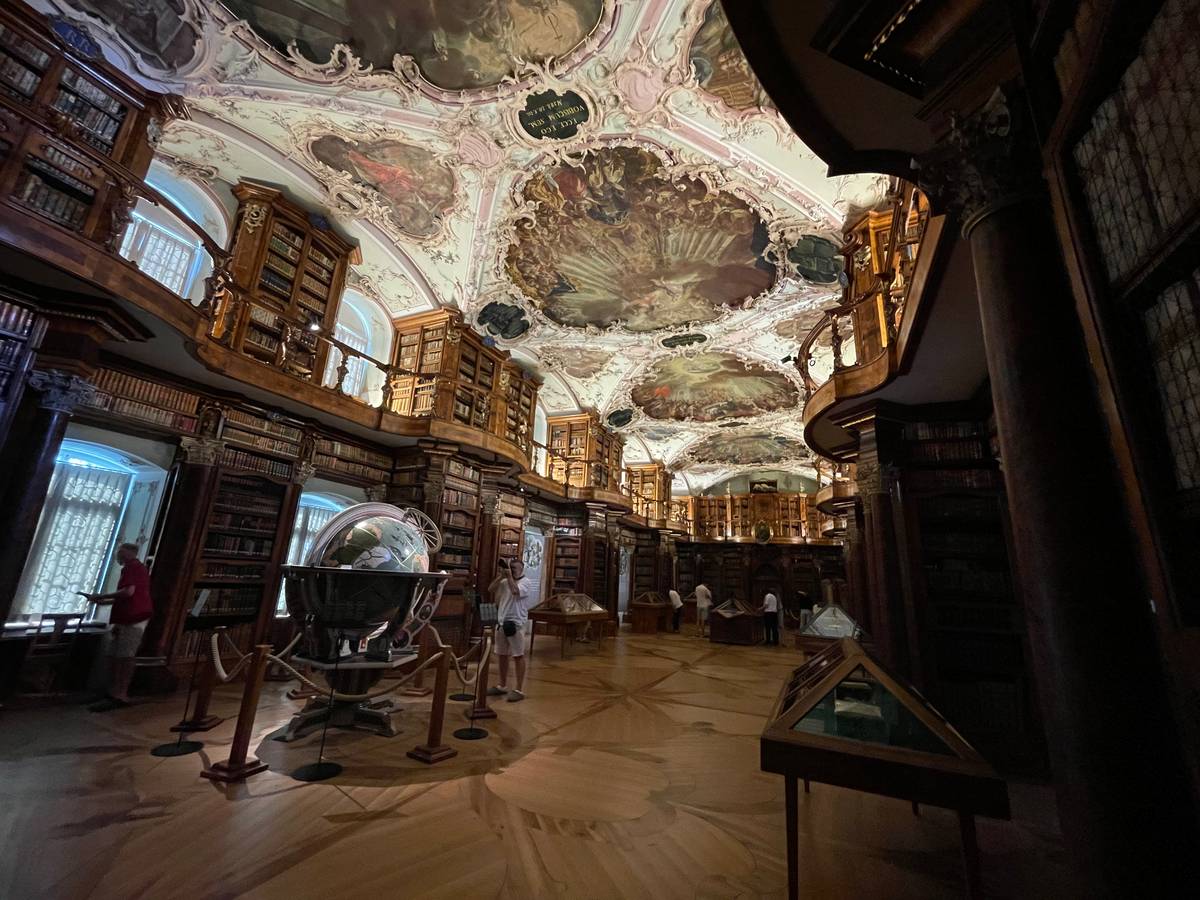
Abbey Library of St. Gallen.
With help from the preserved Bibles and manuscripts, St. Gall and his companions were able to preach in Switzerland and Germany, among other countries, helping to spread Christianity in mainland Europe.
Some of the Bibles that St. Gall helped save can now be seen adorned with jewels and intricately carved ivories in basement exhibits at the Abbey of St. Gall, a museum where the saint originally had his hermitage. At the exhibits, a short film is projected, narrating how the Irish monk and his group reached Switzerland to spread Christianity.
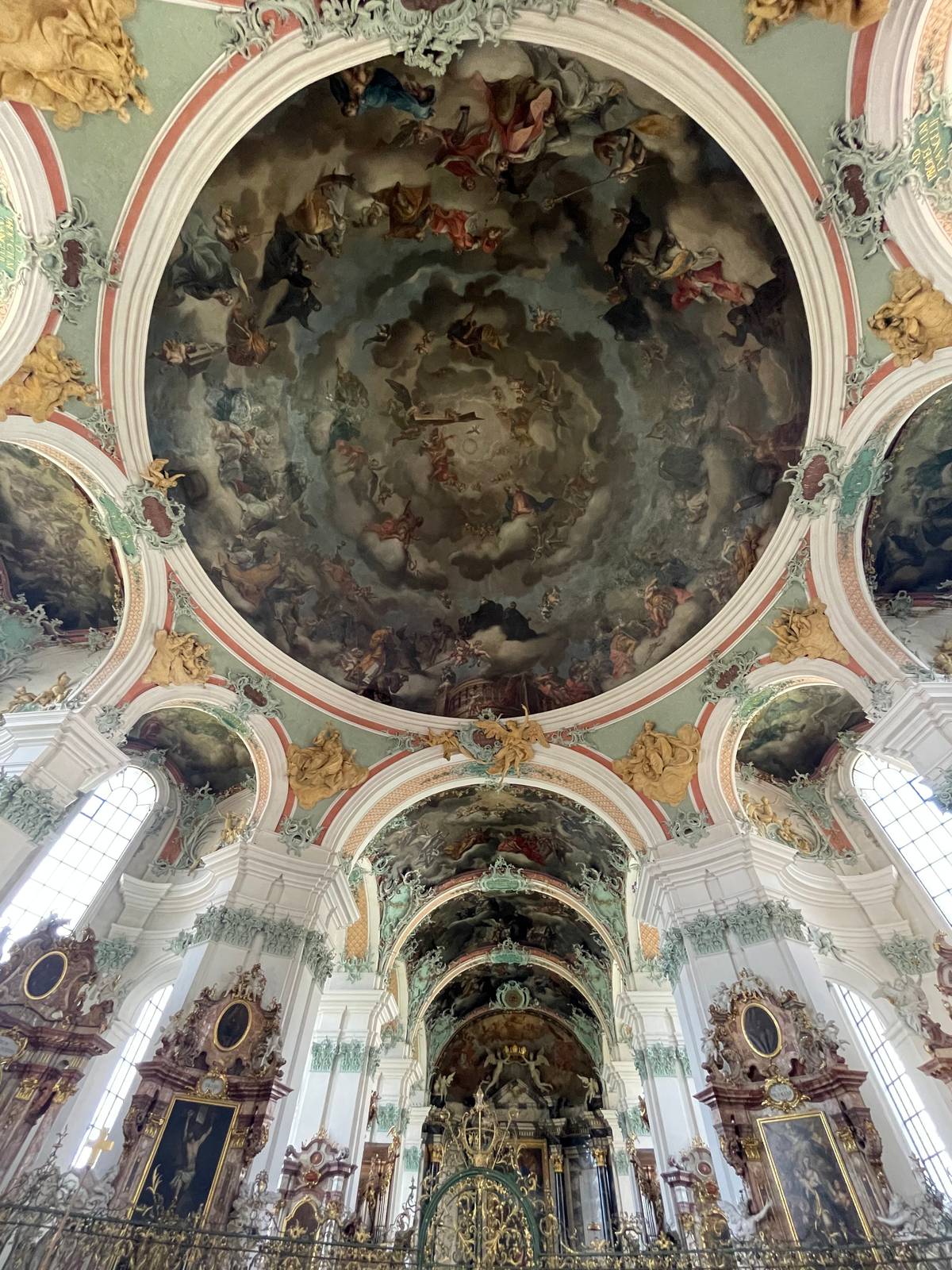
Inside the St. Gallen Church.
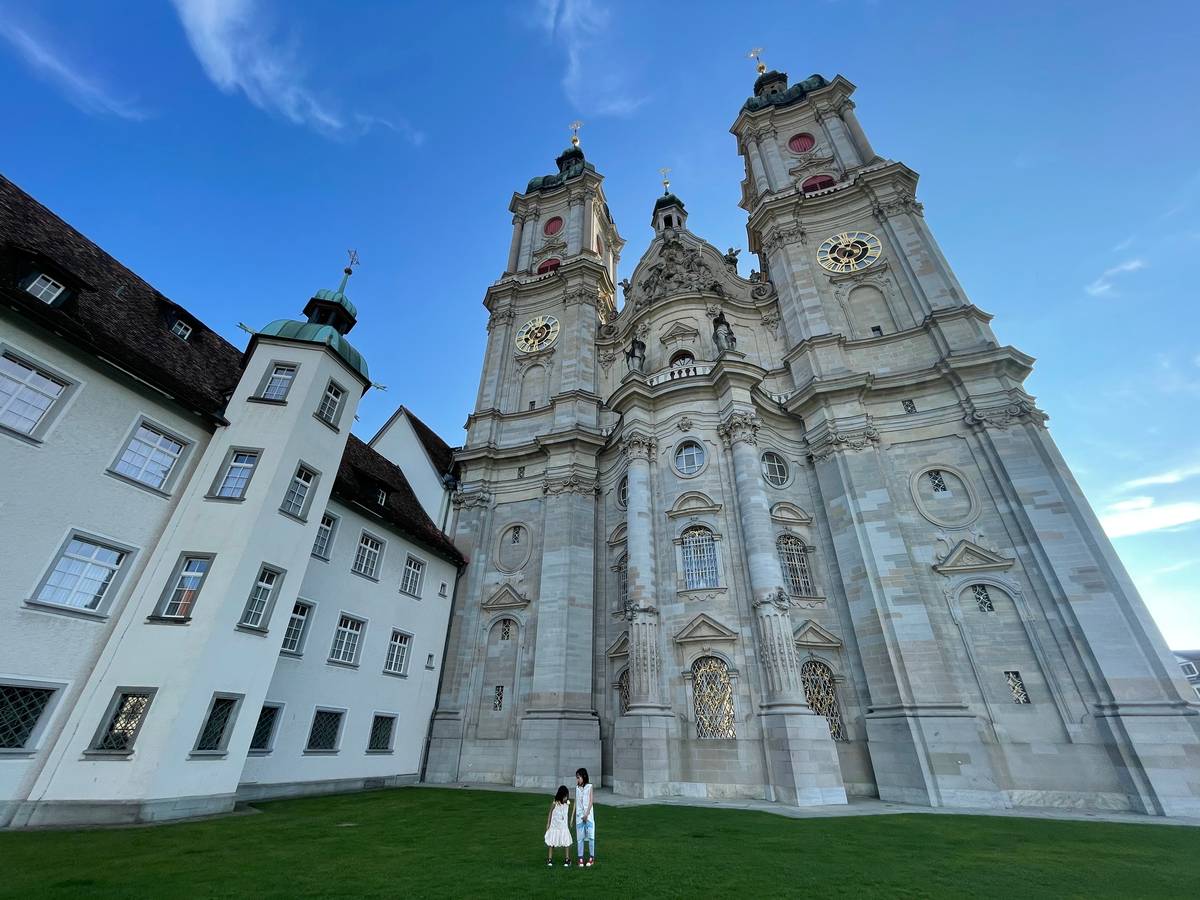
Twin-tower church of St. Gallen.
A Unesco (United Nations Educational, Scientific and Cultural Organization) World Heritage site, the St. Gallen Cathedral or Stiftskirche St. Gallus und Otmar (Collegiate Church of St. Gall and Otmar) is a Roman Catholic church with twin towers. It was a part of the Abbey of St. Gall, which is a monastery complex feted for its various architectural styles, including baroque.