
The oldest A5 wagyu, reborn in BGC
The atmosphere is serene and understated, featuring bonsai trees, wood and stone textures, and warm light. Whether dining in a private room or at the bar, guests are surrounded by the elegance of an authentic yakiniku experience.


Once upon a time in Shiga, long before “wagyu” became a global obsession and food lovers began treating marbling like art, Ōmi beef was already legendary. Born in the fertile lands around Lake Biwa, Japan’s largest freshwater lake, Ōmi wagyu has thrived for more than four centuries, making it the oldest wagyu brand in Japan.
In the Edo period, when eating beef was taboo, farmers in Shiga raised their cattle mainly for farm work and hides. But somewhere along the way, the secret got out: the meat of these gentle, well-fed animals was extraordinary.
Because beef could not be sold openly, merchants began wrapping the meat in miso paste and marketing it as “Henpongan,” an “honorable medicine” said to boost energy. Samurai and noblemen were quick to indulge, savoring what they believed was a health tonic, though they were really just enjoying one of Japan’s first great steaks in disguise. By the time Japan embraced Western food culture in the late 19th century, Ōmi beef was already the gold standard of indulgence.
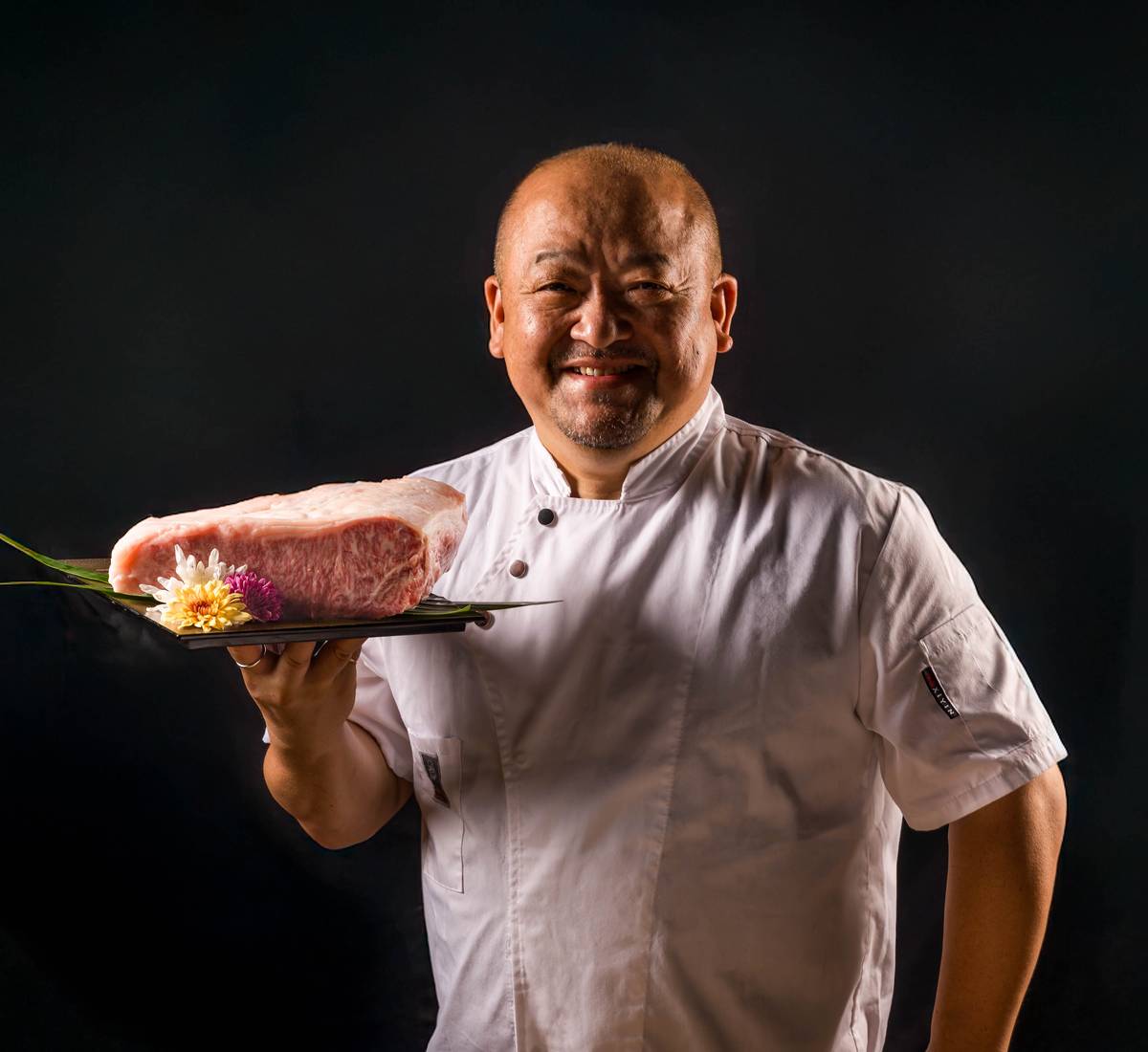
MasterChef Shogo Izawa.
Centuries-old craft
That same tradition lives on at Daikichi Japanese Black Wagyu Farm in Shiga, one of Japan’s oldest and most respected producers. Established during the Edo era, Daikichi has refined the craft of raising Ōmi cattle for more than 400 years and has even supplied beef to the Japanese royal family.
The farm follows a long tradition of careful, ethical cattle-raising rooted in harmony with nature. The animals drink mineral-rich water from Lake Biwa and are fed a diet of rice straw, corn, barley and grains, all within spotless, well-ventilated barns. The cattle grow at their own pace in calm, stress-free surroundings. From this tranquility comes beef so finely marbled and tender it almost melts on the tongue, leaving a subtle sweetness unique to Ōmi wagyu.
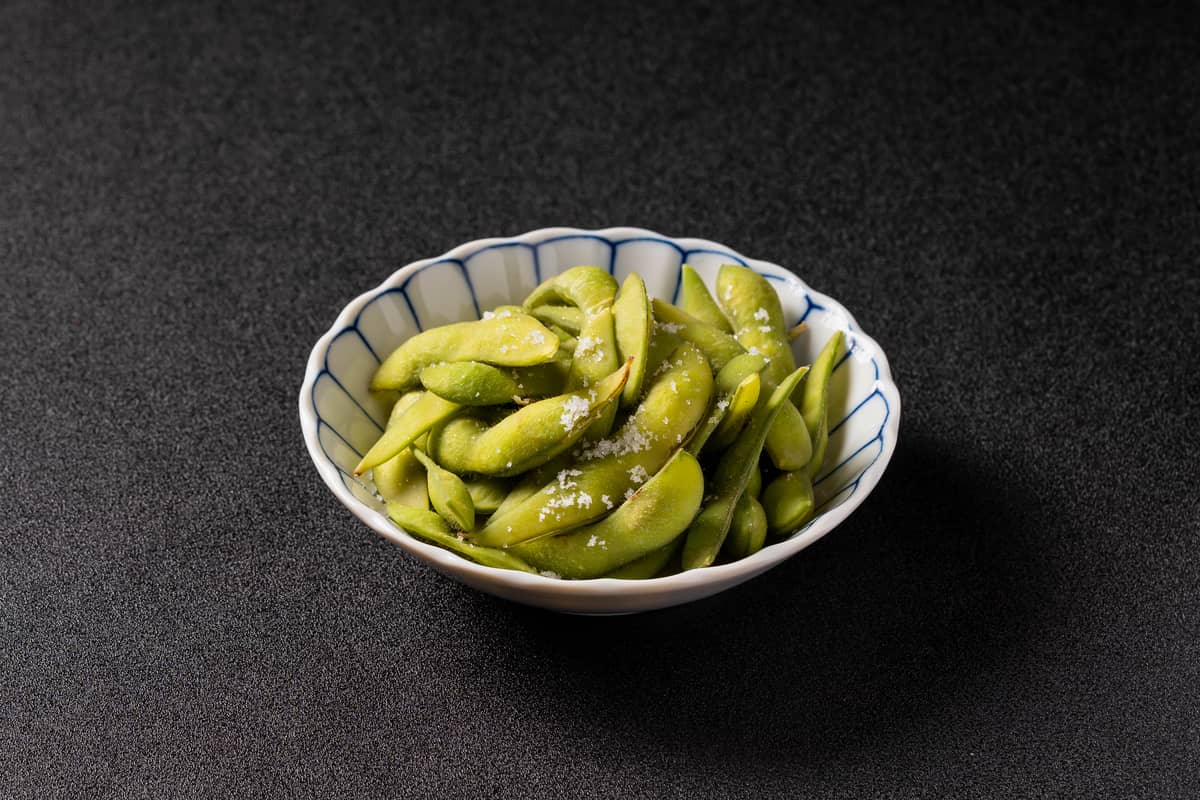
EDAMAME
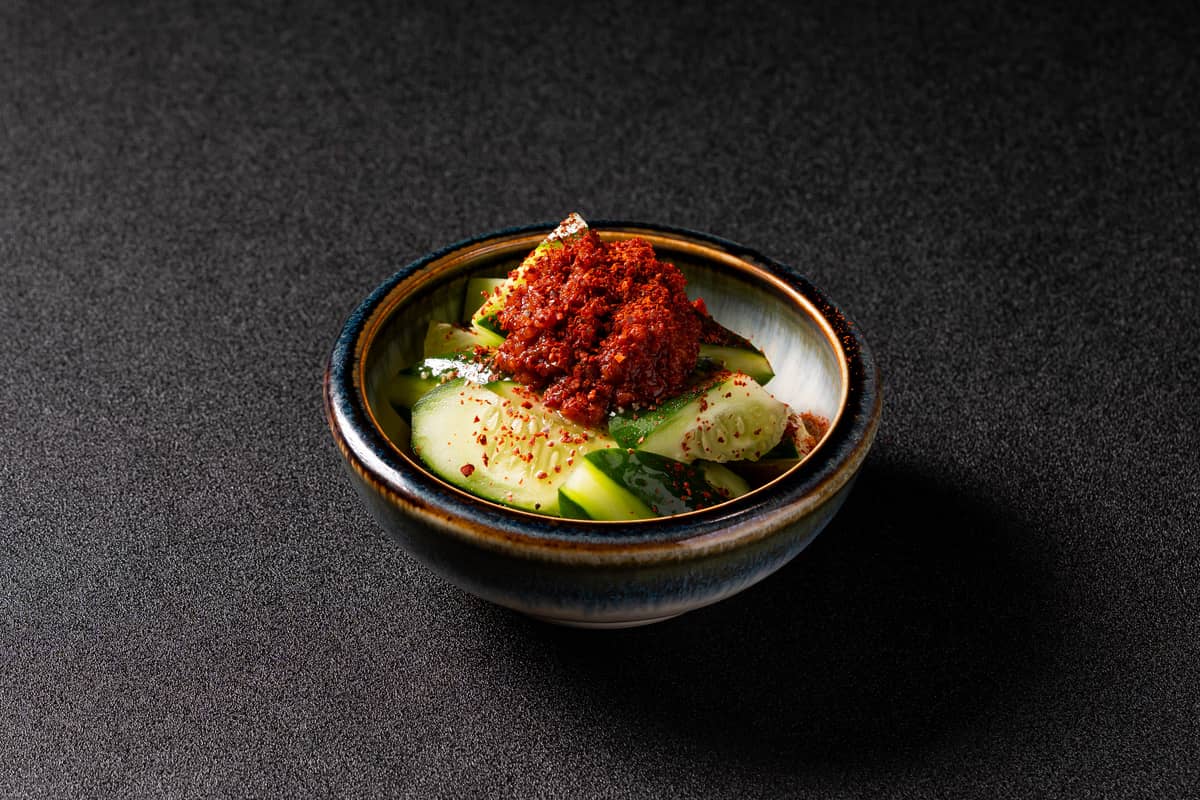
KARADARE Kyuri
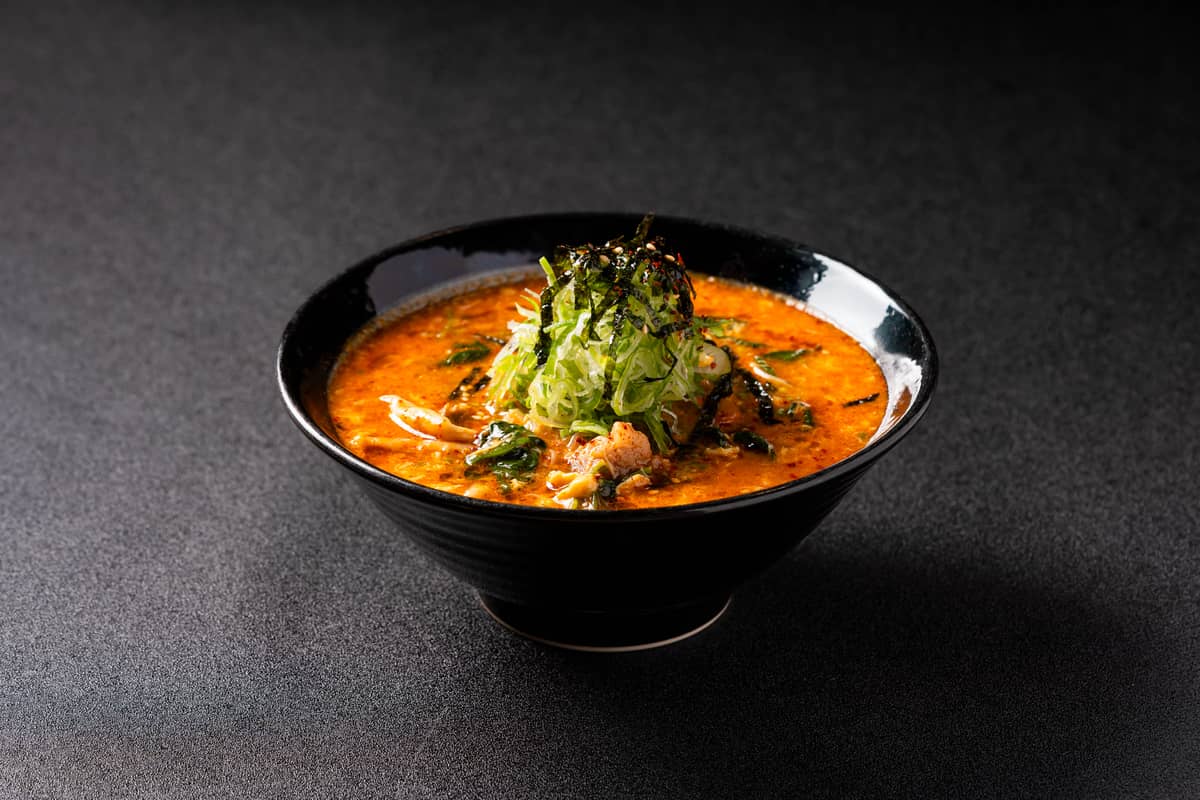
KARUBI soup
Rokuten Mori.
Gold standard of wagyu
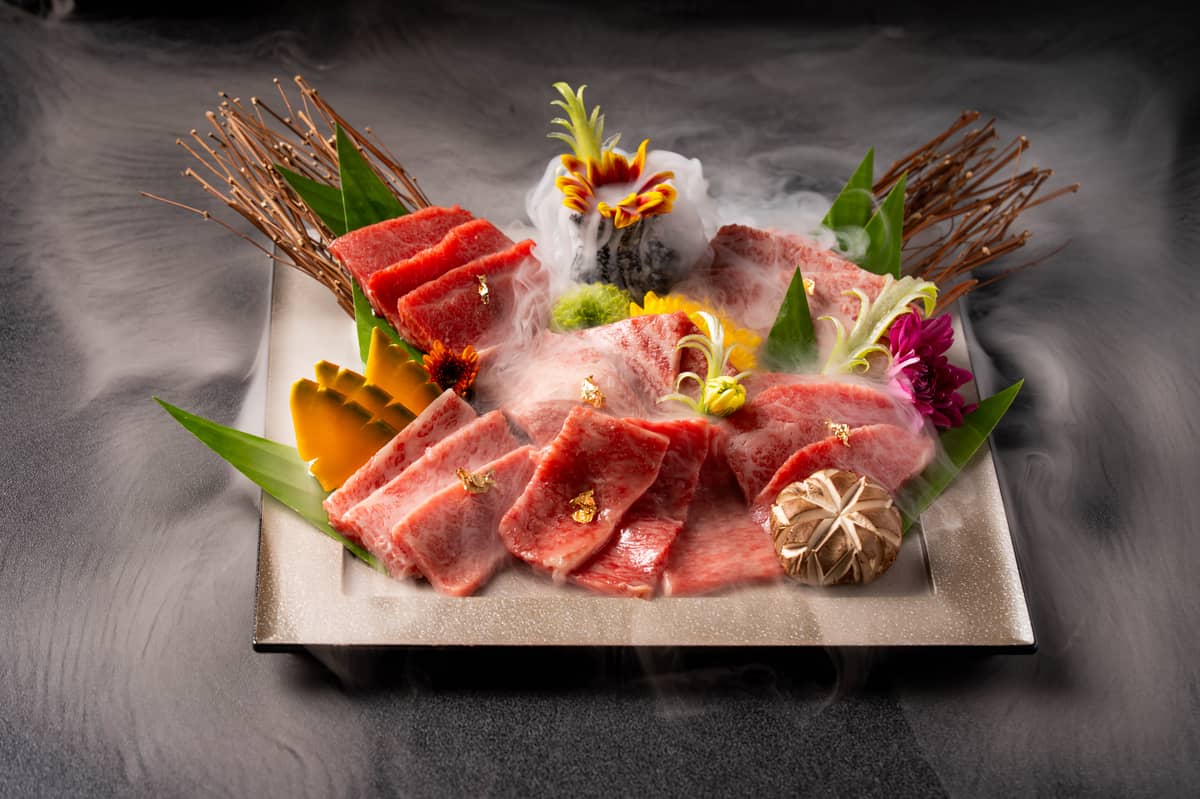
This prized meat achieves the coveted A5 grade, the highest possible rating by the Japanese Meat Grading Association. The “A” indicates the highest yield of usable meat from a single carcass, while the “5” reflects perfection in marbling, color, firmness, texture and fat quality. A5 wagyu stands as the ultimate expression of Japanese beef craftsmanship.
From Shiga to Bonifacio Global City
Now, this heritage has reached Manila. At Hiro Premier Japanese Yakiniku, newly opened at the Skypark level of SM Aura in Taguig, diners can finally enjoy the rare A5 Ōmi wagyu from Daikichi Farm without leaving the country.
The restaurant, led by MasterChef Shogo Izawa, a Tokyo-born culinary veteran with over 40 years of experience, brings the same discipline and respect for ingredients that define true Japanese grilling. Izawa, who has cooked for international events such as the Grammys, upholds a standard of precision that carries through every plate.
The spirit of omotenashi
At Hiro Premier, everything is guided by Omotenashi, the Japanese philosophy of wholehearted hospitality. From the heat of the grill to the flow of service, everything is designed with the guest in mind.
The atmosphere is serene and understated, featuring bonsai trees, wood and stone textures, and warm light. Whether dining in a private room or at the bar, guests are surrounded by the elegance of an authentic yakiniku experience.
To taste Ōmi wagyu at Hiro is to taste history itself, a tradition born in the quiet hills of Shiga, cared for at Daikichi Farm, and now beautifully realized in the heart of Bonifacio Global City.