For Ulo, the theme “underscores unity in diversity and the urgent need to safeguard indigenous rights as enshrined in the Indigenous Peoples’ Rights Act (IPRA) of 1997 and other global frameworks like the United Nations Declaration on the Rights of Indigenous Peoples.”
Dayaw Festival is composed of exhibits, fora, crafts demonstrations, outreach activities and performances. The opening program, hosted by the local government of Bago City, was graced by NCCA and local officials.
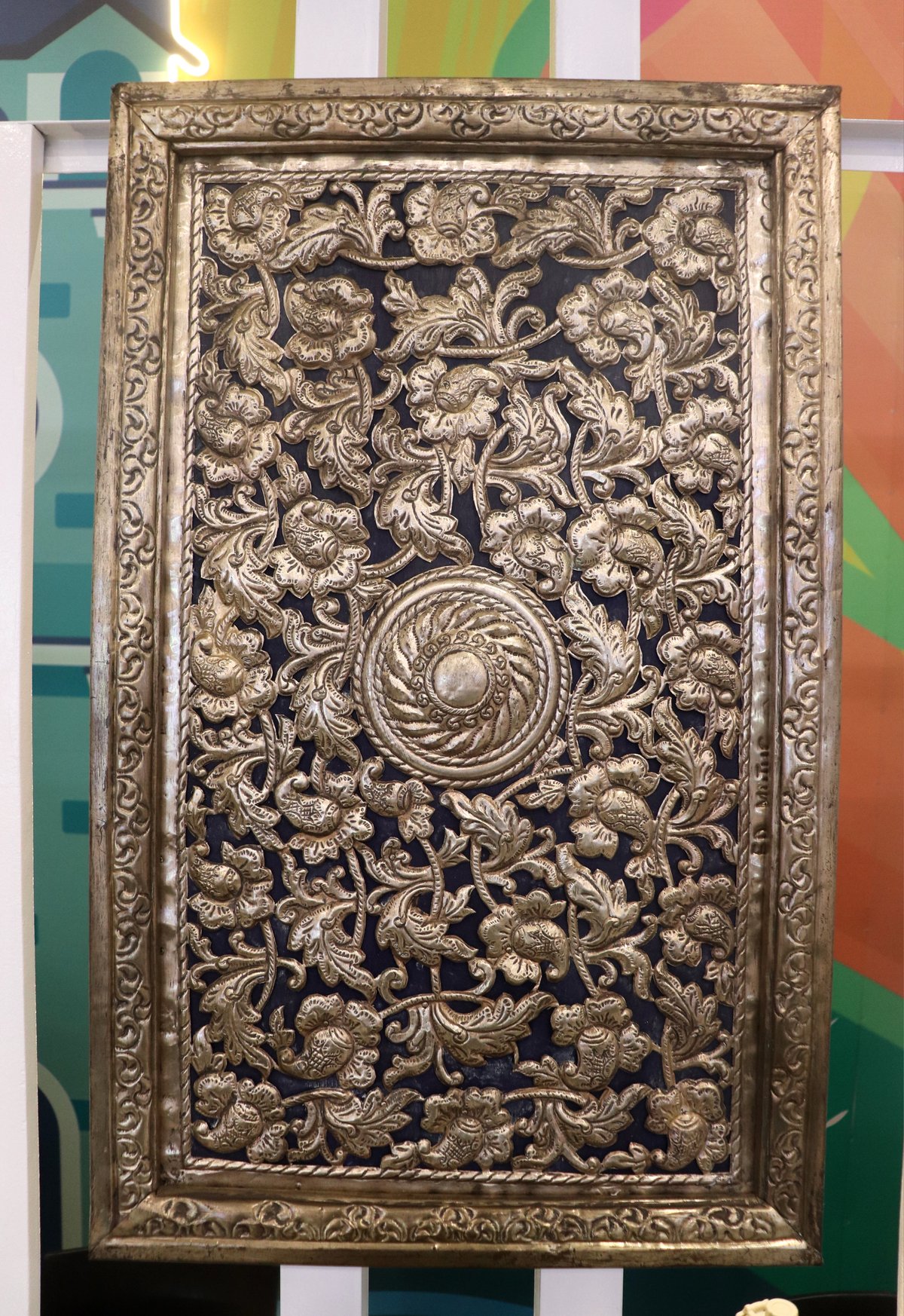
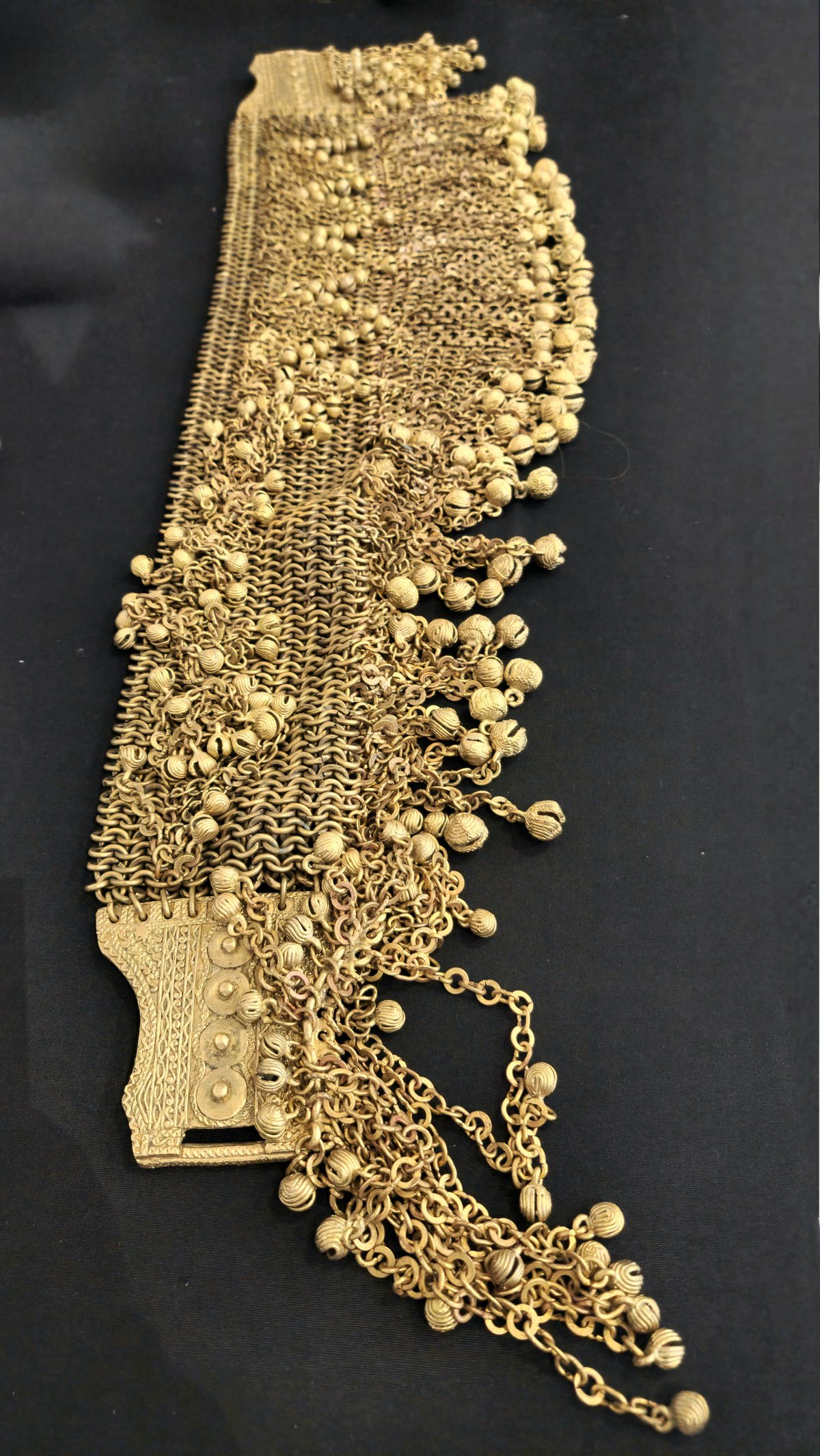
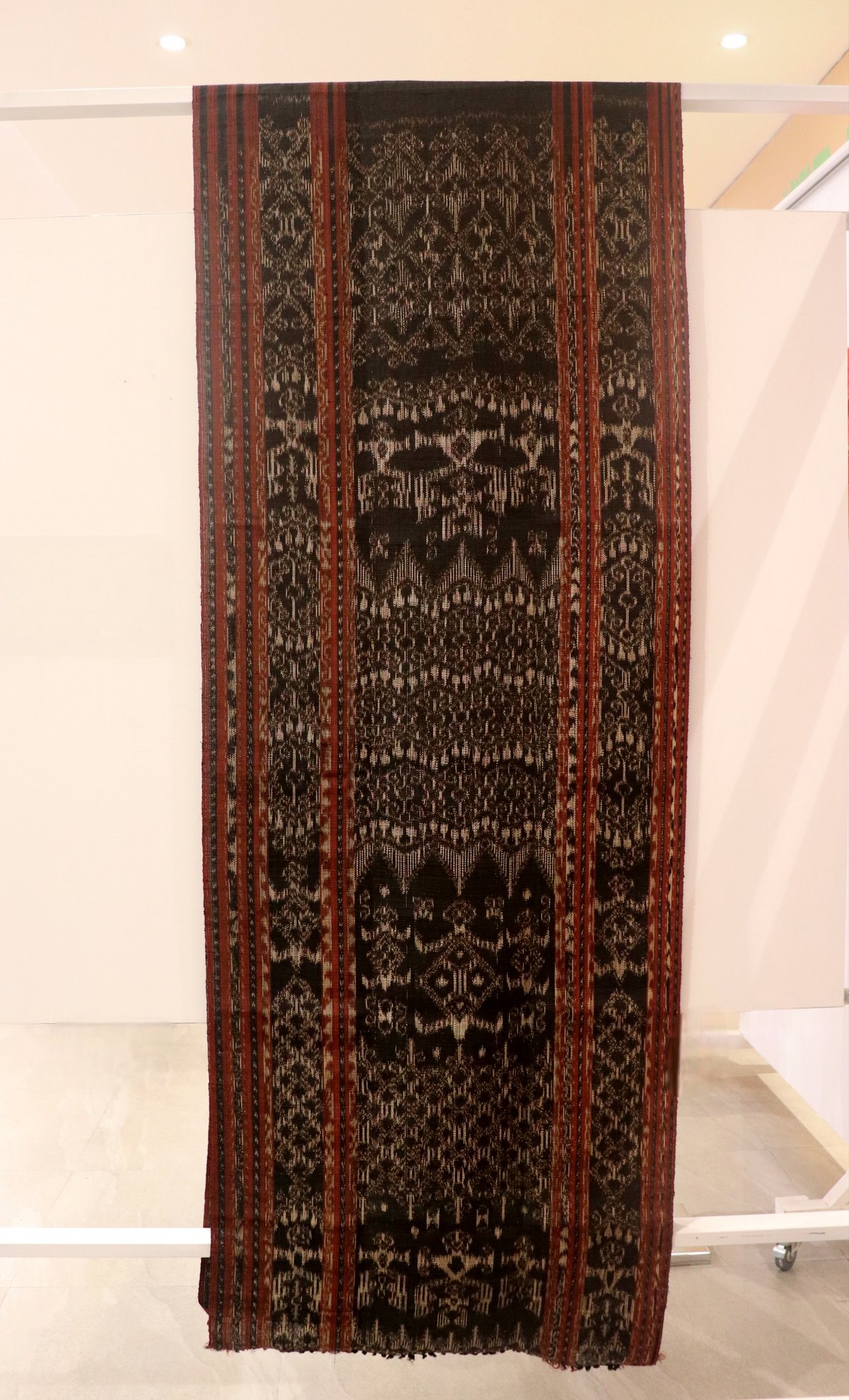
The Dayaw Exhibit was opened at the newly opened North Block of SM City Bacolod in Bacolod City, featuring different ethnolinguistic groups in the Philippines as well as two NCCA programs — the Gawad sa Manlilikha ng Bayan, including works of honorees and the School of Living Traditions.
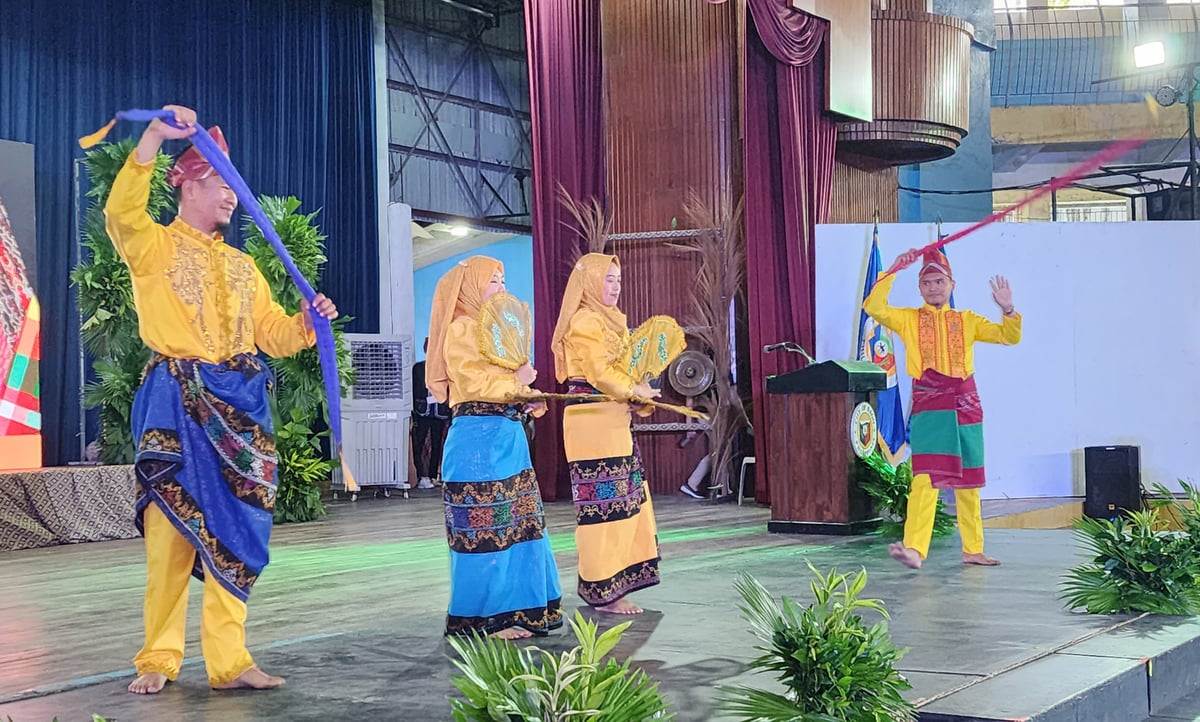
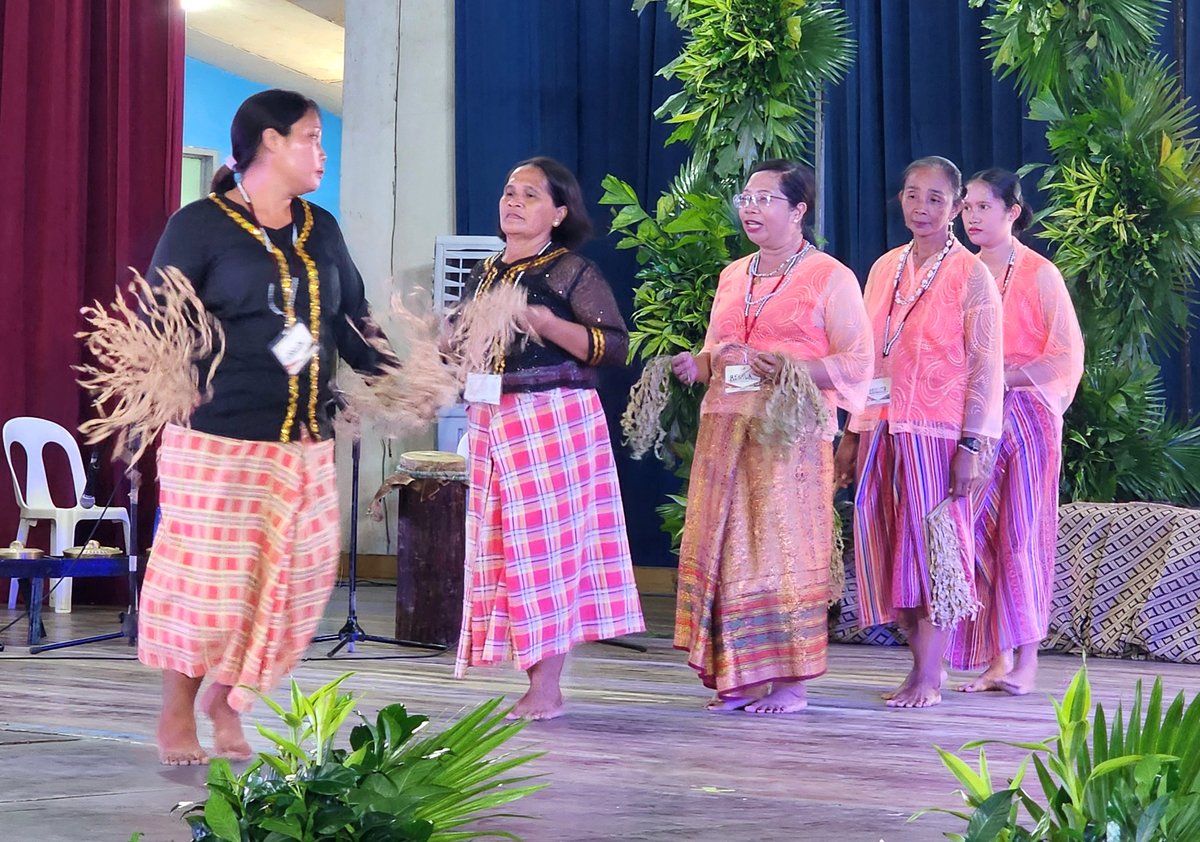
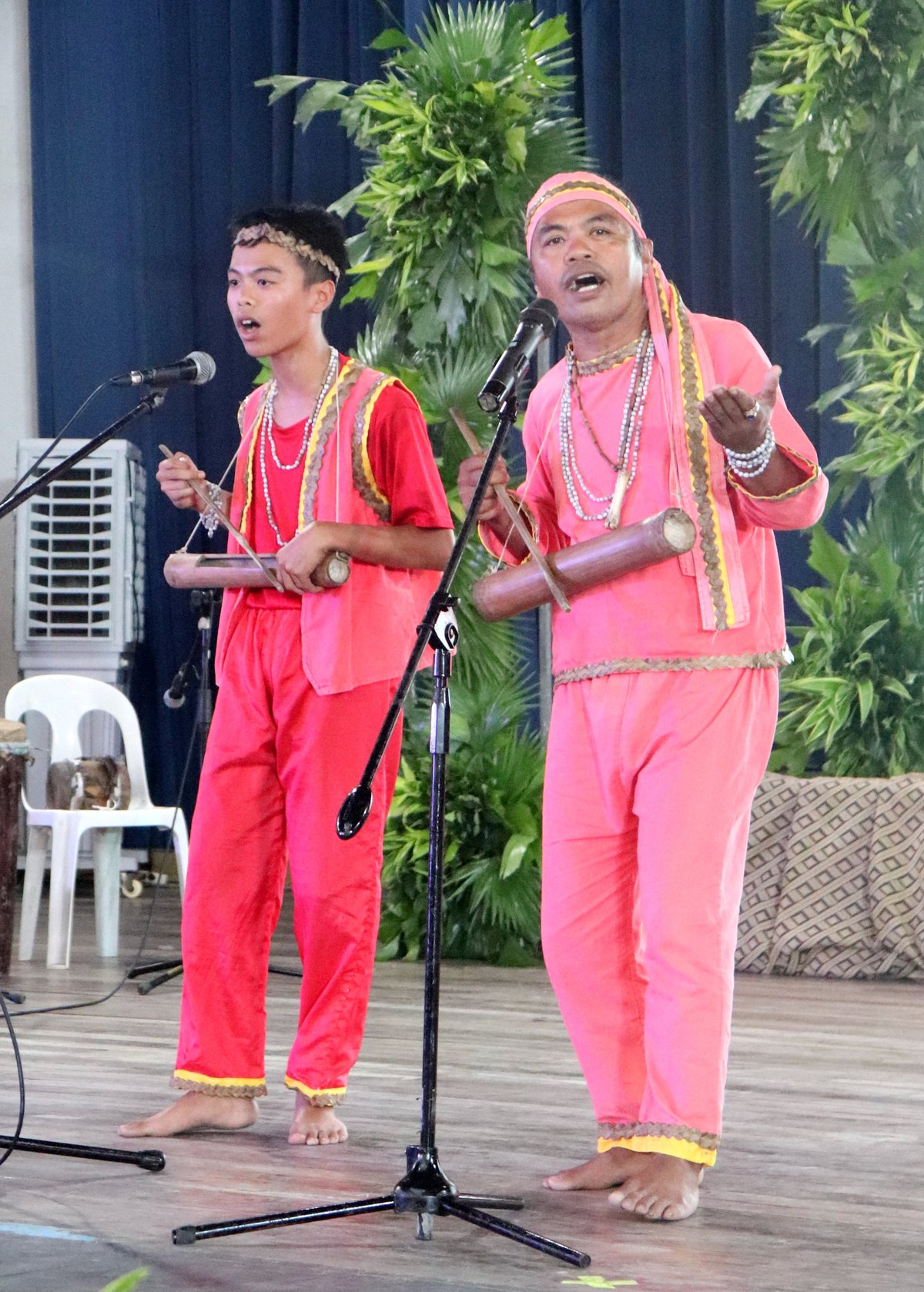
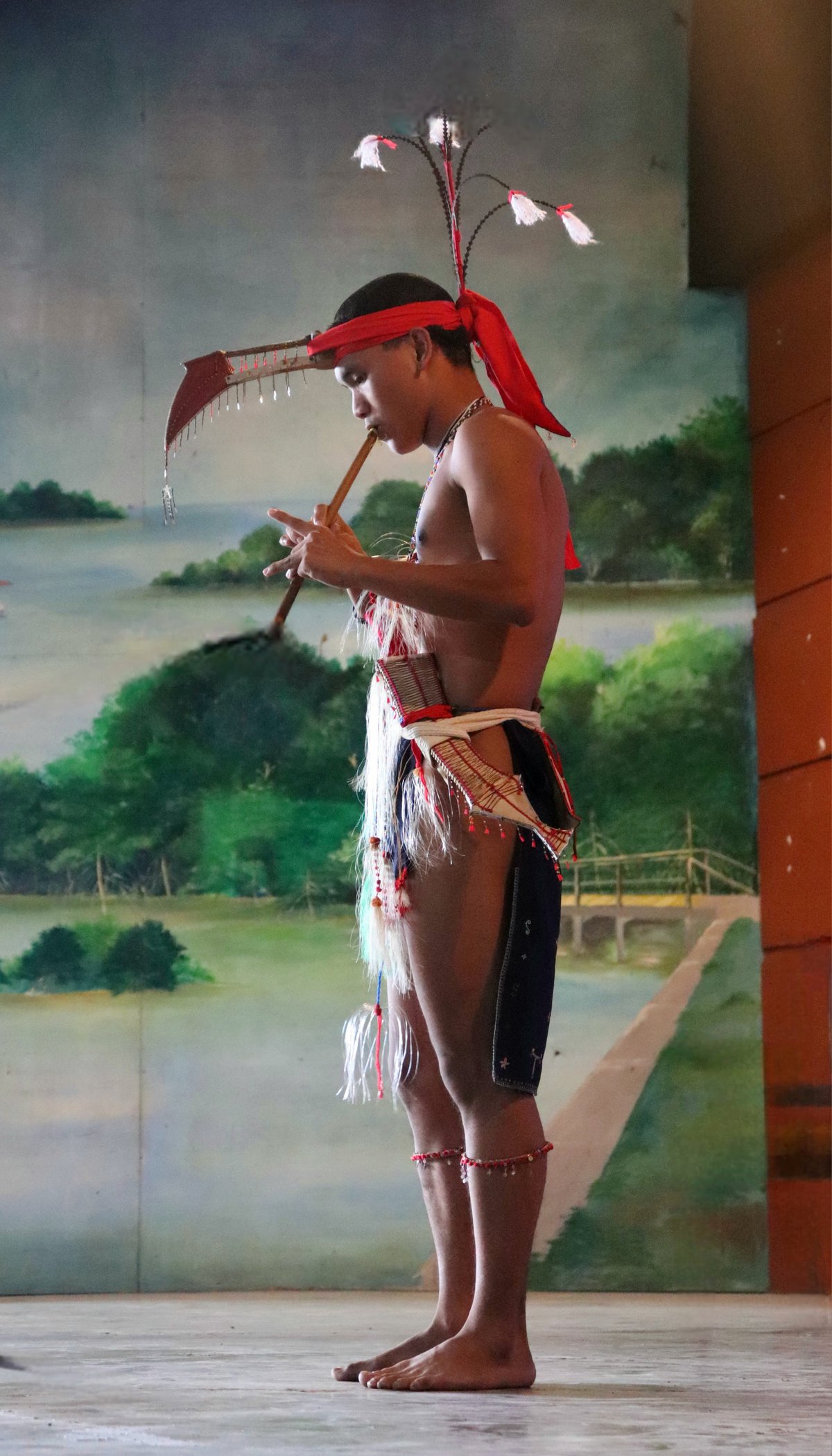
On the second day, the delegates were divided into clusters for simultaneous outreach programs in six cities and municipalities — Binalbagan, Kabankalan City, Murcia, Cadiz City, Don Salvador Benedicto and Bago City — where they showcased traditional musics, dances, chants and oral forms as well as the making of some crafts and dishes. They also get to interact with locals, especially students.
With its fora, Dayaw Festival severed as venue for dialogue and discovery as delegates shared their perspectives and experiences in different topics.
The forum “Culture Lived, Not Lost: Safeguarding Indigenous Knowledge for the Future” tackled how living traditions continue to evolve through shared practice, community collaboration, and creative adaptation. Joel Mallari from the Kapampangan delegation reminded participants that intangible cultural heritage thrives only when lived.
“Culture endures not because it is memorized, but because it is lived,” he said.
He identified four key areas of safeguarding — identification, protection, transmission, and policy integration — and emphasized empowering indigenous youth to lead this process. With digital tools and creative platforms, younger generations can ensure that traditional wisdom remains visible and viable in the modern world.
In “Reviving Traditional Governance for Cultural Continuity,” Renel Lavilla of the Panay Bukidnon delegation spoke about the role of indigenous law and governance in sustaining cultural integrity. Elders, babaylan, and community mediators — traditional figures of authority — continue to shape peace and decision-making. By recognizing these systems, local and national institutions can uphold indigenous perspectives in governance and development.
“Respect for cultural diversity is key to peace. The wealth of indigenous culture lies not in possession, but in practice,” he said.
In “Sustainable Livelihoods as Cultural Preservation,” Tboli cultural advocate Nenita Kinan presented the Tboli Trade and Crafts Cooperative of COWHED (Cooperative of Women in Health and Development) in Lake Sebu as an example of culture-based enterprise, linking cultural heritage and economic viability. She said that while challenges such as limited funding, weak policy implementation and lack of training persist, the community pushes forward through enterprise and innovation.
In “Culture-Sensitive LGU Programs for Resilience and Empowerment,” Negros Occidental board member Rita Gatuslao discussed integrating cultural sensitivity into disaster risk management (DRRM). The province’s initiatives — ranging from mapping ancestral domains to digital youth leadership programs — show that resilience lies in community connection, not merely reconstruction. “Resilience is not about rebuilding structures, but reweaving connections,” she said.
In “Ivatan DRRM: Indigenous Knowledge in Action,” Anastacia Viola of the Ivatan delegation shared how the Ivatan of Batanes rely on traditional ecological knowledge for survival including ethno-meteorology, community-based warning system, building practices and communal cooperation. Their experience shows how traditional knowledge and modern preparedness can coexist, forming a local model of resilience.
The series of forums was capped by “Inclusive Governance Forum: Listening to Indigenous Experiences,” at the SM City Bacolod North Block, where speakers from different agencies, including the NCCA, the National Commission on Indigenous Peoples, the Department of Tourism and the Catholic Bishops’ Conference of the Philippines’ Episcopal Commission on Indigenous Peoples, talked about their initiatives involving the indigenous communities and cultures.
This was followed by a closing ceremony marked by a showcase of traditional performances.
“Beyond the celebration, Dayaw 2025 is a call to action. So, after this, what’s next? This is to protect ancestral domains, preserve endangered languages and ensure that indigenous knowledge systems—both tangible and intangible—are respected and integrated into national development,” said Ulo.
“Dayaw 2025 becomes more than a festival—it becomes a movement affirming that the Philippines’ future is stronger when its many cultures thrive together,” he stressed.