
SCUTTLEBUTT

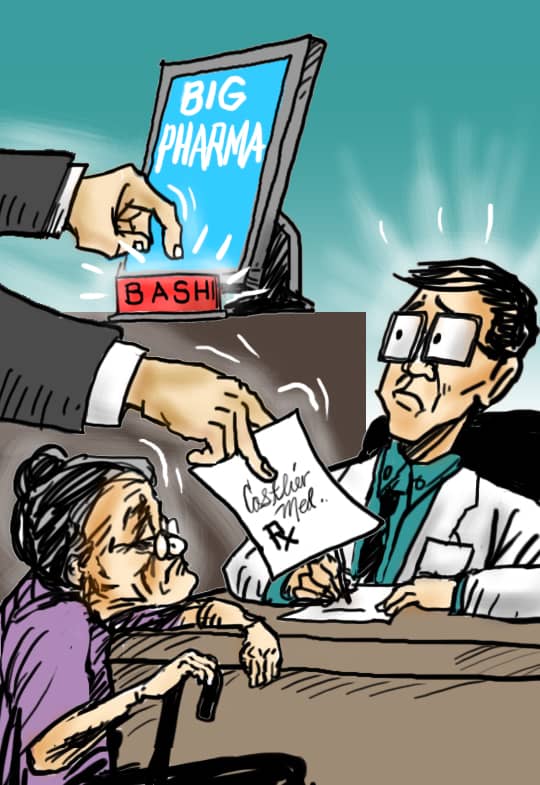
Docs not fair game
Doctors are becoming targets lately on social media, which is a tragedy since integrity and trust are paramount in their profession.
Doctors, respected for their service and sacrifice, are now subjected to online bashing that crosses the line of accountability, descending into public humiliation.
The attacks are swift, the narratives emotionally charged, and verdicts are rendered without due process.
As a result of the scandal in the country’s healthcare system stemming from the defunding of the Philippine Health Insurance Corp., the role of physicians has come under scrutiny.
What is most troubling is that even those who have shown a willingness to cooperate with authorities, to clarify their roles and to engage in meaningful reforms, are being painted with the same brush as the actors they are accused of enabling.
Some organizations have stepped forward to participate in the process, to open their doors, to review their models, and to stand behind the integrity of the professionals they work with.
Amid the accusations, a shadow has quietly emerged involving big pharma.
Some doctors are prescribing more than necessary, allegedly to gain from pharmaceutical arrangements, goes the narrative.
But other doctors are prescribing affordable alternatives—medicines that, for many Filipinos, are welcome options.
If a doctor offers a less expensive but equally effective treatment, is that profiteering? Is the act of choosing a budget-conscious cure a red flag, or is it simply unpopular with those who benefit from costlier meds?
What gets lost in the noise is that the consequences for doctors go far beyond their reputation.
Those in the health profession begin to hesitate, feeling the chilling effects. They begin to practice what is called “defensive medicine,” in a culture of fear, not care.
Patients suffer, innovations stall, and medical progress is paralyzed by paranoia.
We must ask ourselves: Is this what we want?
There is a cost to this kind of spectacle. And it is the dignity of those who choose to serve, quietly and honorably, in a climate that increasingly makes doing so unbearable.
Reform is necessary, not noise. And dignity must never be collateral damage.