
62-MW solar plant to rise in Iloilo
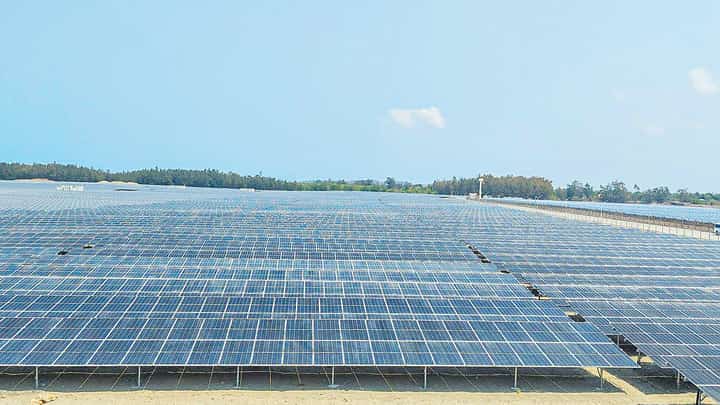
Construction has begun on the 62-megawatt peak Ajuy-1 Solar Power Project in Barangay Tipacla, Ajuy, Iloilo — set to deliver cleaner, more reliable power to Panay Island.
The P2.37-billion project, developed by Jin Navitas Solaris, spans 47.86 hectares and is the province’s first major ground-mounted solar facility. It will be linked to the Panay Island grid through the Sara–Panit 69 kV transmission line and has already completed its System Impact Study.
“This groundbreaking initiative not only marks a significant step in reducing our carbon footprint but also empowers local communities by providing them with reliable and renewable energy resources,” Energy Secretary Sharon Garin said Friday.
Awarded under the Department of Energy’s Green Energy Auction Program 2 (GEA-2), the Ajuy-1 plant is eligible for a green energy tariff of P4.35 per kilowatt-hour.
The project aligns with the Iloilo Provincial Renewable Energy Plan, a roadmap that aims to expand clean energy use and foster public-private partnerships.
It also supports the Iloilo Provincial Ordinance for Renewable Energy, which offers incentives for investors, raises public awareness, and integrates renewable energy into local development plans.
Beyond its environmental impact, the solar farm is expected to enhance grid stability in Northern Iloilo, lower electricity costs, and yield long-term socioeconomic benefits, including job creation, increased local revenues, and investments in public services.
Ajuy-1 also contributes to the national goal of reaching a 35 percent renewable energy share by 2030 and 50 percent by 2040.