




Surge of HIV cases alarming
Even those who are aware of their HIV status may avoid getting help for fear of being ostracized.

Text size
Even those who are aware of their HIV status may avoid getting help for fear of being ostracized.
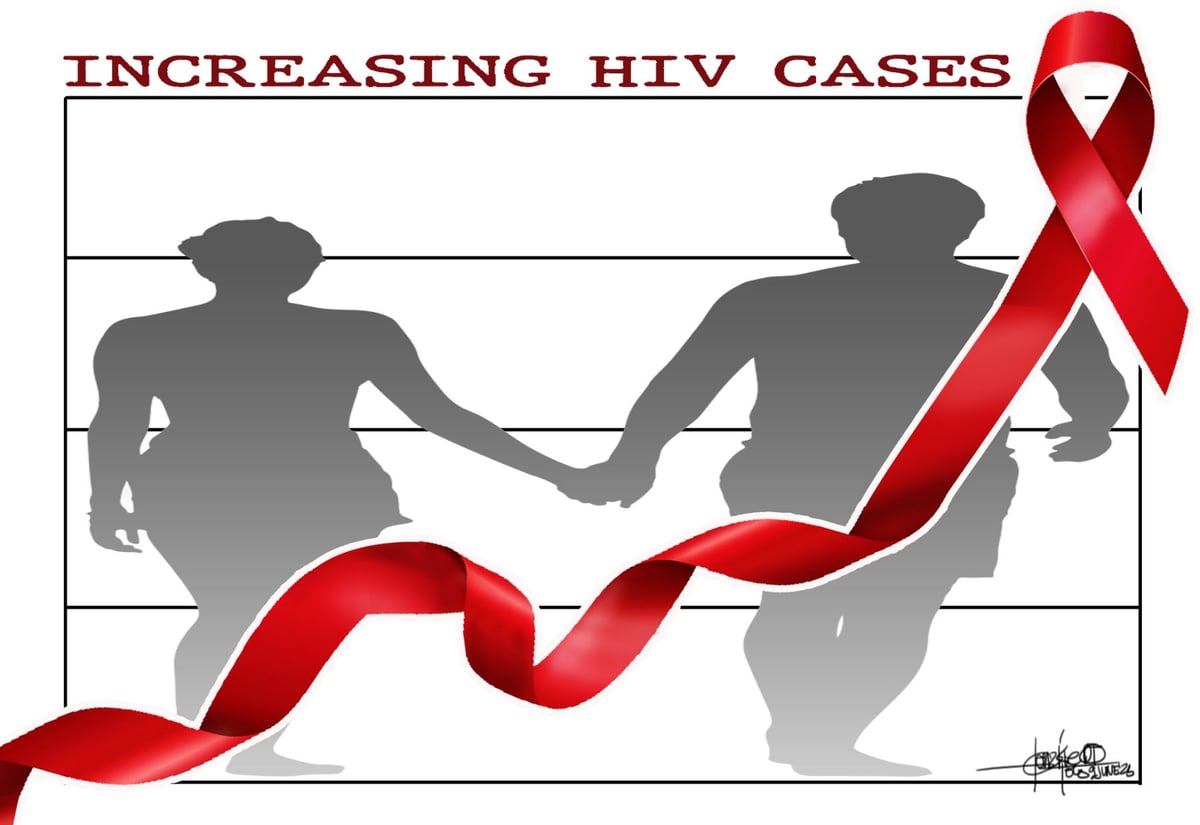
The Philippines is currently facing a silent but devastating epidemic. According to the Department of Health (DoH), the number of confirmed HIV (human immunodeficiency virus) cases in the country has surged by an alarming 500 percent.
From January to March this year alone, an average of 57 new HIV cases were recorded daily, making the Philippines the country with the fastest-growing HIV epidemic in the Western Pacific Region.
In light of this, the DoH has called on the government to declare a national public health emergency — a call that underscores the gravity of the crisis and the urgent need for collective action.
This dramatic rise in HIV cases is not just a statistical anomaly; it is a stark indicator of the social, medical, and institutional gaps that continue to hamper the fight against the disease.
It reveals that HIV is far from being a thing of the past. On the contrary, it is a present and growing threat that requires serious attention, especially in a country where stigma and misinformation continue to shroud the issue in silence and shame.
One of the most disturbing aspects of the surge is that it is largely driven by new infections among the youth, particularly among men who have sex with men (MSM). This indicates a serious deficiency in comprehensive sex education, awareness campaigns, and access to preventative tools such as condoms and pre-exposure prophylaxis (PrEP).
Despite the presence of modern medical tools and proven prevention strategies, the infection rate continues to climb — a sign that these resources are either underutilized or inaccessible to those who need them most.
Moreover, this crisis points to a broader societal failure to address the root causes of the epidemic. Cultural taboos around sexuality, inadequate public health education, and discrimination against the LGBTQ+ community create an environment where people are discouraged from seeking information, testing, and treatment.
Even those who are aware of their HIV status may avoid getting help for fear of being ostracized, leading to delayed treatment and continued transmission.
The DoH’s appeal for a national public health emergency declaration is not a political overreaction — it is a necessary step. Such a declaration would unlock resources, streamline interventions, and signal to all sectors of society that this crisis deserves immediate and sustained attention.
It would allow for the strengthening of HIV testing and treatment programs, the rollout of massive public awareness campaigns, and better integration of HIV prevention into public health policy and education.
This surge also tells us something profound about the disease: HIV is not just a medical issue — it is a mirror reflecting the weaknesses in our healthcare systems, our educational institutions, and even our cultural attitudes.
It exposes the vulnerabilities of our youth and marginalized communities. It challenges our complacency and reminds us that diseases don’t disappear just because we stop talking about them.
Now more than ever, the Philippines must confront HIV with urgency, compassion, and honesty. Ending the epidemic requires more than medical solutions — it demands a cultural shift, political will, and societal solidarity. The numbers are no longer just statistics; they are a call to action.
And if we do not act now, the cost will not only be measured in rising infection rates, but in lives lost to a disease we already know how to stop.
Three decades after the Marcopper mining disaster devastated Marinduque’s waterways, the province is again pressing the…
Housing is probably the biggest issue affecting people the world over.
Malacañang on Monday called for a more thorough investigation into the questioned flood control projects in Taguig…
The defense on Monday backed the move by senator-judges to exclude a prosecution witness who testified on the firearms…
