




Protect our players
There must be stricter enforcement of anti-gambling laws and a more robust crackdown on illegal betting syndicates.

Text size
There must be stricter enforcement of anti-gambling laws and a more robust crackdown on illegal betting syndicates.
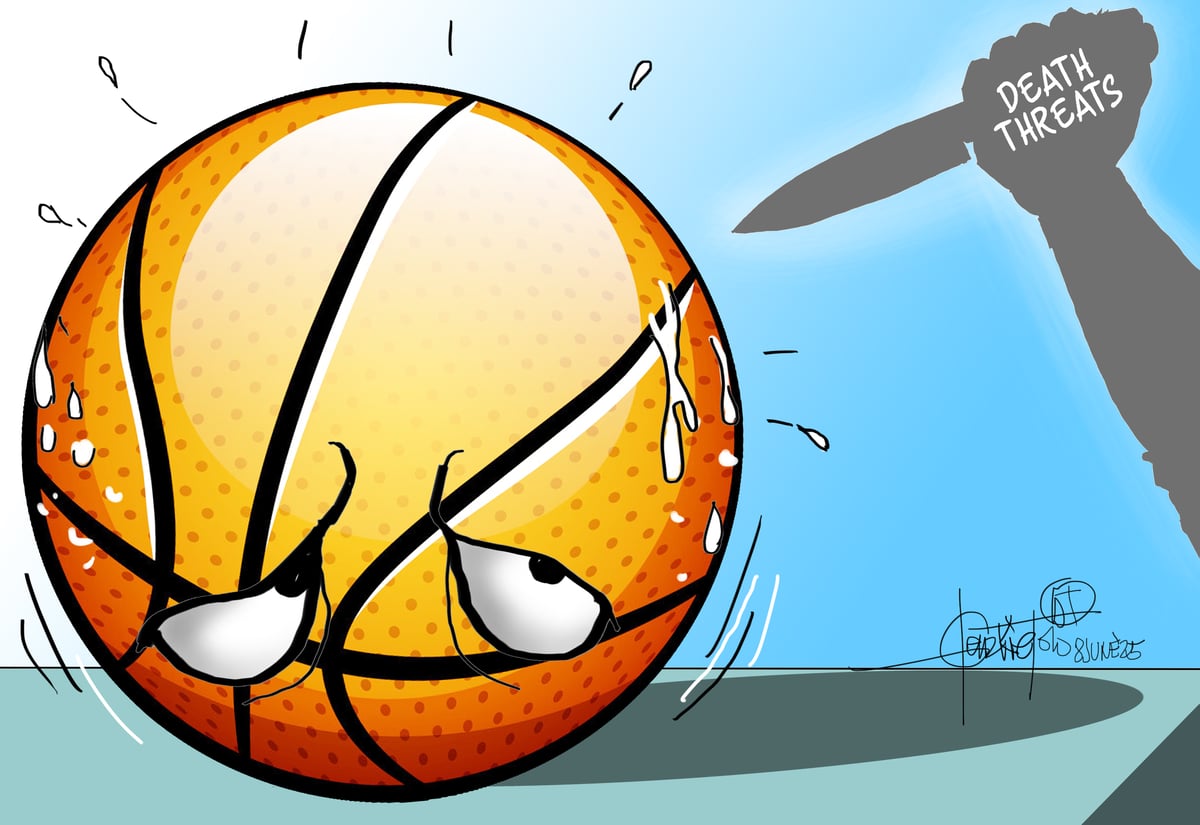
On Friday, three Magnolia players in the Philippine Basketball Association (PBA) didn’t just fear their opponents — they feared for their lives.
William Navarro, Ian Sangalang, and Paul Lee made their way out of the Ninoy Aquino Stadium under heavy security after they received serious death threats on social media following the Hotshots’ 107-99 loss to NLEX in the Philippine Cup.
On Instagram, one user threatened to kill one player and his family after he claimed to have lost a lot of money betting on the Hotshots, who blew a huge 19-point lead in the first quarter before allowing Road Warrior Robert Bolick to put the game away in the second half.
We’re not sure how serious the threat was, but the league and the Hotshots took all the necessary precautions to make sure that Navarro, Sangalang and Lee were safe.
Getting death threats is not new to PBA players.
Last February, Barangay Ginebra rising star RJ Abarrientos was the subject of intimidation after botching a game-winning shot in Game 2 of the 2025 Commissioner’s Cup best-of-seven finals series against Meralco.
The 25-year-old Abarrientos said the threat became downright scary when he noticed people following him outside the arena.
His case was no different from Rey Nambatac’s experience in 2020 after he knocked down the game’s final basket — a three-pointer with 0.4 seconds left — in Rain or Shine’s 90-88 loss to Phoenix Super LPG in the Philippine Cup at the Angeles University Foundation gym in Pampanga.
The three-pointer had no bearing on the result, but it apparently ruined the ending numbers in a form of gambling based on the final scores of PBA games.
Nambatac said he and his then girlfriend received a lot of nasty messages on social media because of his three-point basket. In fact, they sought the help of Sen. Raffy Tulfo’s program to file charges against the harassers.
Gambling’s deep roots in the country have naturally crept into the country’s most popular sport — basketball. While regulated online sportsbooks exist, a shadowy network of illegal betting operators thrives on various platforms that victimize individuals who are seduced with promises of easy money.
The very nature of sports betting — with its unpredictable outcomes — can lead to significant financial losses for bettors, often fueling desperation and, in extreme cases, violent reactions aimed at professional players.
Such incidents inflict profound emotional and psychological trauma on the athletes. The constant fear for their safety, and more disturbingly, for the well-being of loved ones, can severely impact their mental health and on-court performance.
It brings unbearable pressure far beyond the demands of professional sports. How can these players perform at their best when they are burdened by the chilling prospect of revenge for a missed free throw or a turnover? This hostile environment undermines the joy and dedication that should define a professional sports career.
PBA Commissioner Willie Marcial has consistently and unequivocally denounced the death threats, reminding fans that basketball is a sport — not a gambling enterprise — and has pledged the league’s full commitment to protecting its players.
Addressing this multifaceted problem requires a comprehensive and sustained effort.
First, there must be stricter enforcement of anti-gambling laws and a more robust crackdown on illegal betting syndicates. Social media platforms also need to enhance their mechanisms for identifying and removing threatening content, and the authorities must be proactive in tracing and prosecuting those who make threats, stripping away the anonymity that emboldens them.
Also, there should be extensive awareness campaigns to educate the public, especially the youth, about the severe consequences of illegal gambling and threatening athletes.
Finally, the PBA should put a premium on the mental health support systems for its athletes, providing a safe space for them to report threats and to cope with the immense pressures they face while doing their jobs.
The PBA is more than just a league — it is a source of national pride and unity for Filipinos.
To safeguard its future and ensure that the spirit of competition is untainted by the dark forces of illegal gambling and violence all its stakeholders must unite.
Only through collective vigilance and unwavering commitment can the league continue to inspire and entertain, free from the swords that hang over the heads of the players.
Three decades after the Marcopper mining disaster devastated Marinduque’s waterways, the province is again pressing the…
Housing is probably the biggest issue affecting people the world over.
Malacañang on Monday called for a more thorough investigation into the questioned flood control projects in Taguig…
The defense on Monday backed the move by senator-judges to exclude a prosecution witness who testified on the firearms…
