
Beyond the beach: Why sunblock should be part of your daily routine
The key to getting the most out of your sunblock is using it properly.



Sunblock works by forming a protective barrier on the skin that either absorbs or deflects UV rays.
My family and I recently started a cooling sunblock spray, perfect for this relentless summer heat. The label read SPF 40, and we wondered if there is one with a higher SPF or “sun protection factor,” which is a measure of how well sunscreen shields your skin from the sun’s harmful ultraviolet (UV) rays, particularly those that cause sunburn. We figured, the higher the number, the greater the protection.
When I was younger, sunblock only made an appearance on beach trips. My mother would insist I slather it on thickly before going out for a swim and to stay in the shade around noon. Back then, I thought applying sunblock was just to avoid getting a tan or a painful sunburn. It turns out that sunblock is not just a summer necessity, but an essential shield for our skin year-round.
Before diving into the benefits of sunblock, let’s talk about ultraviolet (UV) radiation. The sun emits two types of harmful rays: UVA and UVB. UVA rays penetrate deep into the skin, causing premature aging, while UVB rays primarily affect the outer layers, leading to sunburns. Prolonged exposure to both types increases the risk of skin cancer.

Reapply every two hours, especially after swimming or sweating.
Sunblock works by forming a protective barrier on the skin that either absorbs or deflects UV rays, made possible by ingredients like zinc oxide or titanium dioxide. Sunblock comes in many forms: lotions, sprays, sticks, even powders. What matters most is that it offers broad-spectrum protection — meaning it guards against both UVA and UVB rays. But also remember that no sunblock can block out these harmful rays 100 percent.
The key to getting the most out of your sunblock is using it properly. Apply it 20 minutes before sun exposure, and don’t skimp. The rule of thumb: one teaspoon (5 mL) per body part - each arm, each leg, your face and neck (don’t forget your ears!), your front and your back. That adds up to about seven teaspoons (35 mL) for a full-body application. Reapply every two hours, especially after swimming or sweating.
But wait – if I use a sunblock with a higher SPF, does that mean I get more protection and only have to apply it once? SPF 15 blocks approximately 93 percent UVB rays, SPF 30 blocks approximately 97 percent of UVB rays and SPF 50 blocks approximately 98 percent of UVB rays.
You can actually still burn even with a sunblock with a higher SPF. The higher SPF means that you may reapply less often, but you still have to reapply the sunblock, especially if you have fair skin and burn easily.
While sunblock helps prevent sunburn, that’s just the beginning. UVA rays break down collagen and elastin - the proteins that keep skin firm and youthful. By wearing sunblock daily, you’re slowing down the aging process. Think of it as an anti-aging serum, that you need to use every day.
More importantly, sunblock helps prevent skin cancer. UV radiation is a known carcinogen. Regular exposure without protection increases your risk of developing skin cancers, including melanoma, the most dangerous type. Daily use of sunblock significantly reduces that risk.
And yet, many people only use it during the summer or on sunny days. UV rays are present year-round — even on cloudy days. Surfaces like sand, water, and snow reflect UV rays, increasing your exposure. Even being indoors, sunlight streams through windows, So even if you’re not headed to the beach, sunblock should be part of your skincare routine all year long.
Choosing the right sunblock can feel overwhelming, but a few pointers can help:
• Look for one labeled “broad-spectrum” and with an SPF of 30 or higher.
• Pick a formula that suits your skin type -gel for oily skin, cream for dry skin, or mineral formulations for sensitive skin.
• If you’ll be swimming or sweating, go for water-resistant varieties.
• Make sure it’s a product you’ll actually use - and reapply.
• Always check the expiration date. An expired sunblock may not be effective.
Think of sunblock as the final step in your morning skincare routine, just before makeup (if you wear any). It’s not a cosmetic extra; it’s part of skin health, just like brushing your teeth is part of dental care.
So the next time you’re about to head out, don’t ask yourself whether it’s sunny enough to wear sunblock. Ask yourself whether your skin deserves to be protected today, and every day.
Because it absolutely does.
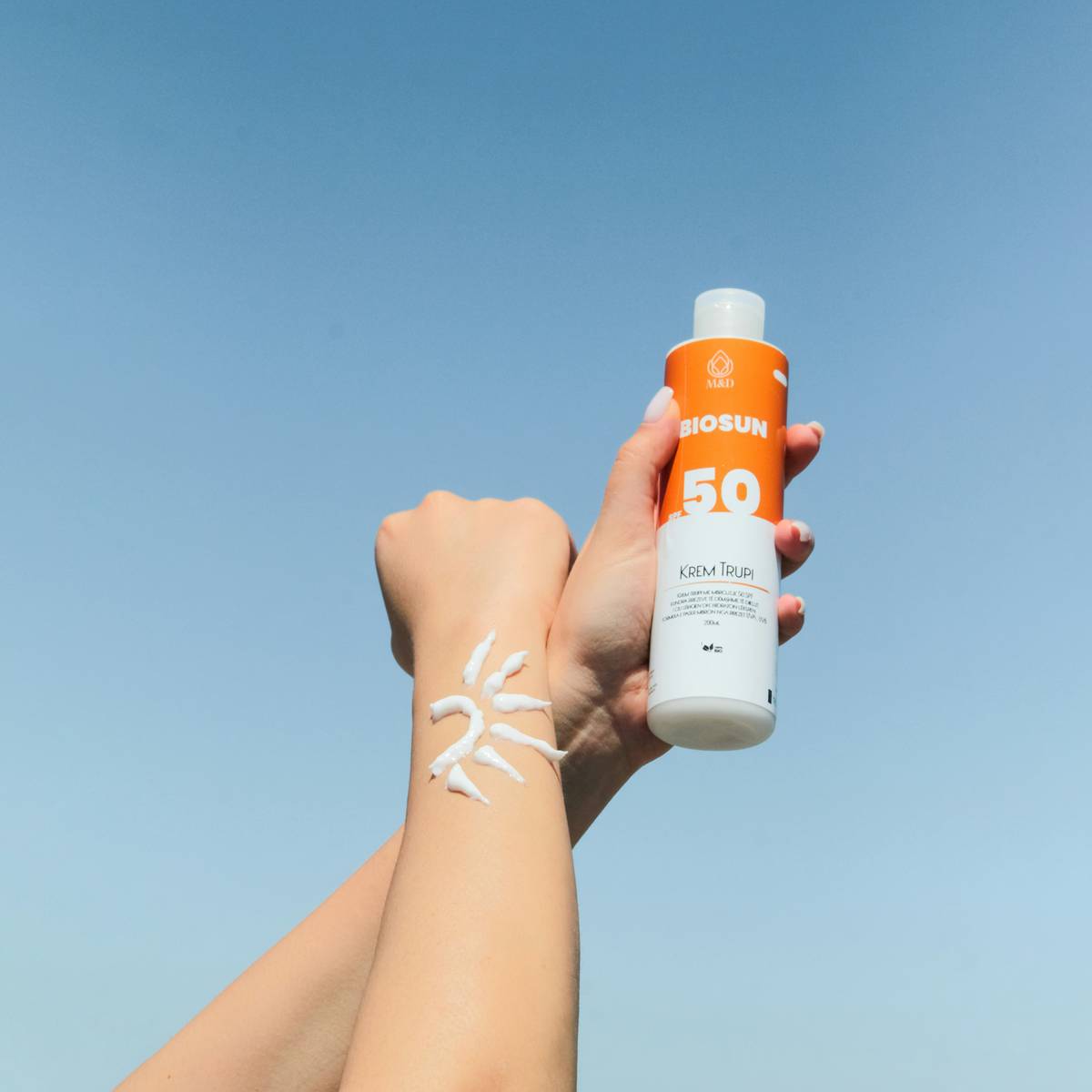
Look for one labeled ‘broad-spectrum’ and with an SPF of 30 or higher.