
What’s hot and not?
The best advice during summertime is to balance your hot and cold foods. Do not eat excessively of one kind of temperature.


We can learn a thing or two from Ayurveda, the ancient medicinal tradition of India.
According to this 3,000-year-old healing tradition, there are hot and cold foods that are based on their own energetic properties.
If you wish to pick up some wisdom from this practice, then chances are your unexplained allergies or feelings of malaise might finally be addressed naturally.
HOT FOODS
1. All things spicy — Spices that are pungent, chili peppers, wasabi, horseradish, mustard seeds
2. Fermented foods — Kefir, sauerkraut, kimchi, atchara
3. Sour foods — Tomatoes, citrus fruits, tamarind and all sour-tasting foods
4. Fatty foods — Nuts, nut oils, oily food and fatty meats
5. Salty foods — All foods high in salt that can increase body temperature through digestion
6. Vegetables — Radish, spinach, onions, garlic, ginger; root vegetables — carrots, turnips
7. Fruits — Papaya, durian, lychee, rambutan, apricot, ripe bananas, green grapes, cherries, cranberries, pineapples
8. Soy milk, tofu
Others: Dates, sugarcane, honey and dry spices, eggs
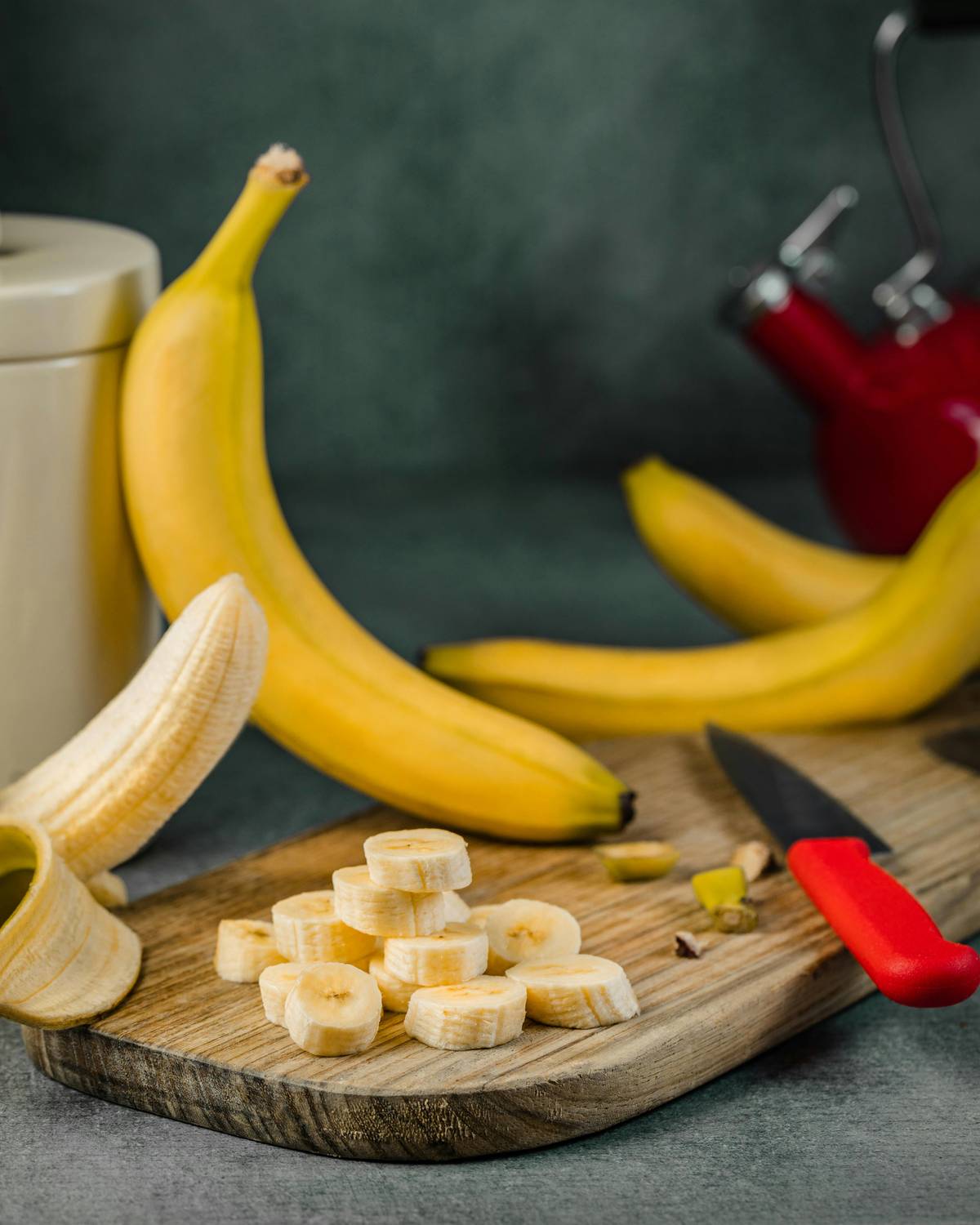
BANANAS
PHOTOGRAPHS COURTESY OF UNSPLASH/eiliv-aceron
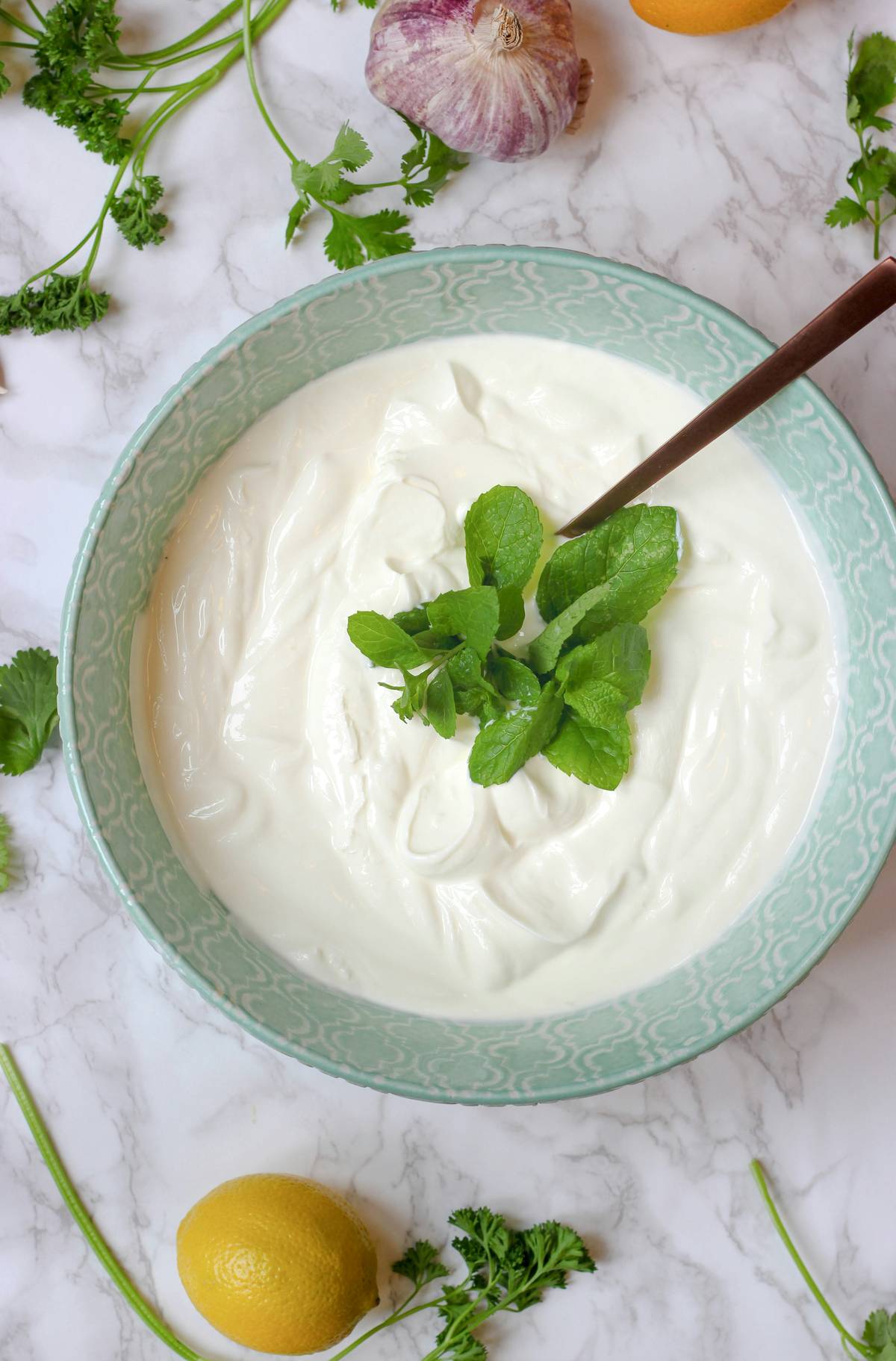
Greek yoghurt
PHOTOGRAPHS COURTESY OF UNSPLASH/micheile-henderson
COLD FOODS
1. Cooling fruits — Bananas, pineapple, melons, coconut water, watermelon, peaches, aloe vera, apple, avocado, pears, raisins, raspberries, strawberries
2. Leafy green vegetables — Lettuce, spinach, kale; others -—asparagus, zucchini, pumpkin, broccoli
3. Dairy products — Milk, yogurt, buttermilk and more
4. Sweet foods — Sweet fruits
5. Bitter foods — Bittermelon, turmeric, bitter herbs
6. Herbs — Coriander, mint, fennel
7. Spices — Cilantro, cardamom, saffron
8. Recommended temperature: Lukewarm liquid, not hot
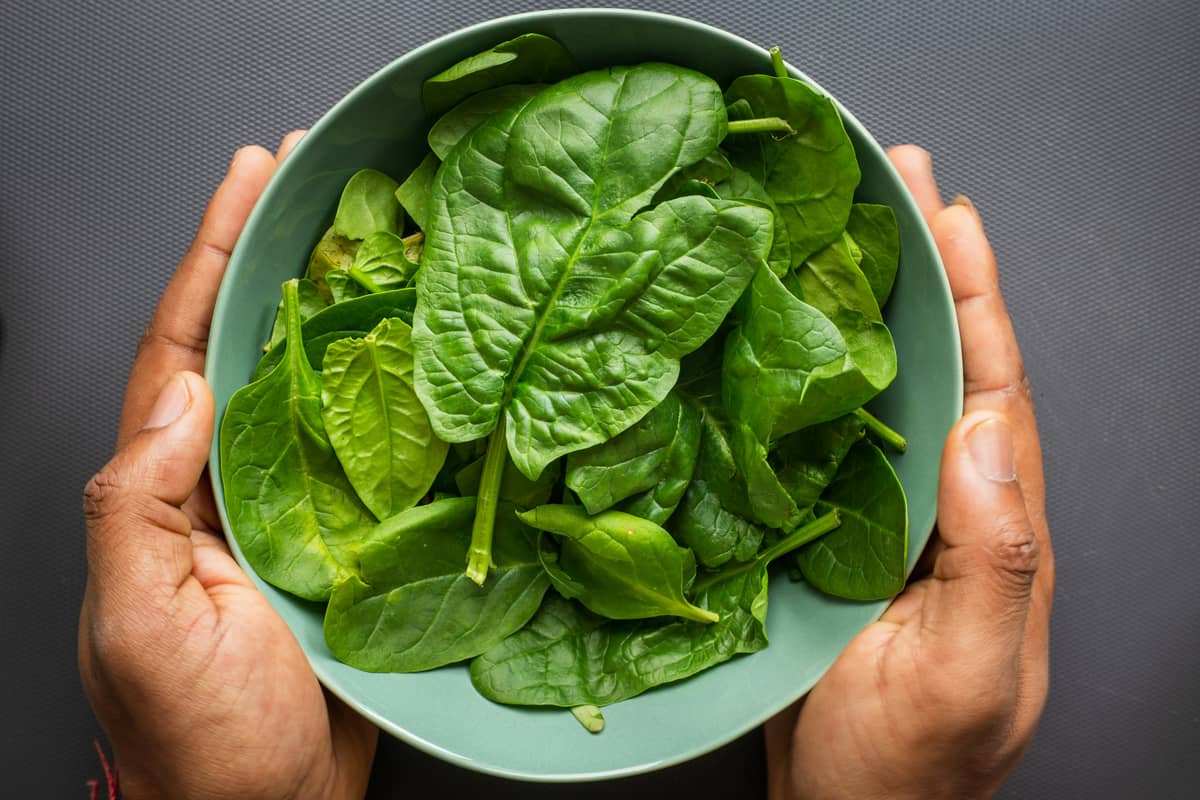
SPINACH
PHOTOGRAPHS COURTESY OF UNSPLASH/LOUIS HANSEL
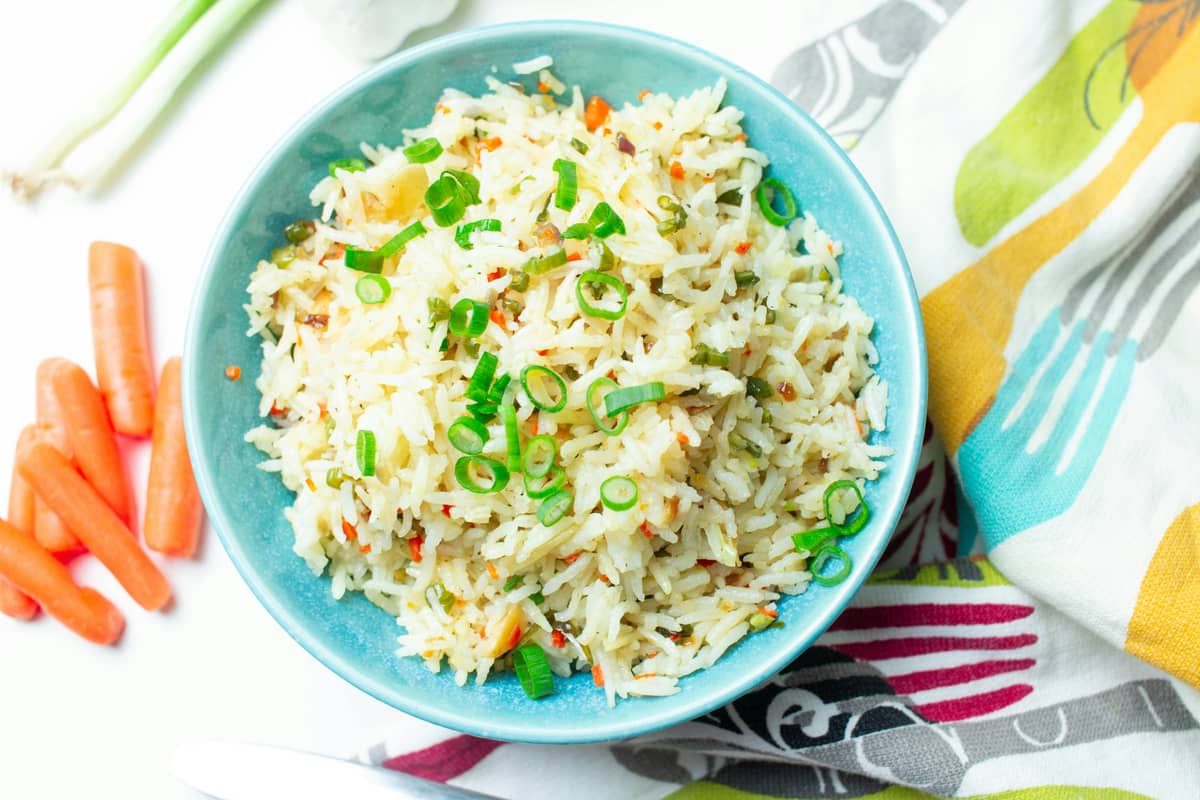
Vegetable rice
NEUTRAL FOODS
1. Rice
2. Wheat
BALANCE IS KEY
Hot foods promote digestion and metabolism, boosting circulation.
Cold foods cool down the body, creating relaxation and clearing toxins.
The best advice during summertime is to balance your hot and cold foods. Do not eat excessively of one kind of temperature.
For example: It is not advisable to eat durian at high noon while at the beach. Eat it after 5 p.m.
And when your stomach feels queasy after a meal, take a cup of ginger tea to warm your tummy.
It is wise to chill on a hot summer’s day with cooling juices like cucumber and pineapple.
Reminder: The best cooling beverage is water. Hydrate as often as you can.
Affirmation: “I am a source of positive vibes.”
Love and light.