




Hollow goal it’s not
“The slow but sure steps in reducing the price of the grain are having an impact on inflation which has moderated in the past few months.

Text size
“The slow but sure steps in reducing the price of the grain are having an impact on inflation which has moderated in the past few months.
Lowering the price of the staple grain remains a strategic administration target since it is crucial to eliminating hunger for most Filipinos. At the same time, it is pivotal to the periodic inflation figure which businesses and policymakers follow in plotting their moves. Thus, it is a crucial factor for the nation to start 2025 on the right foot.
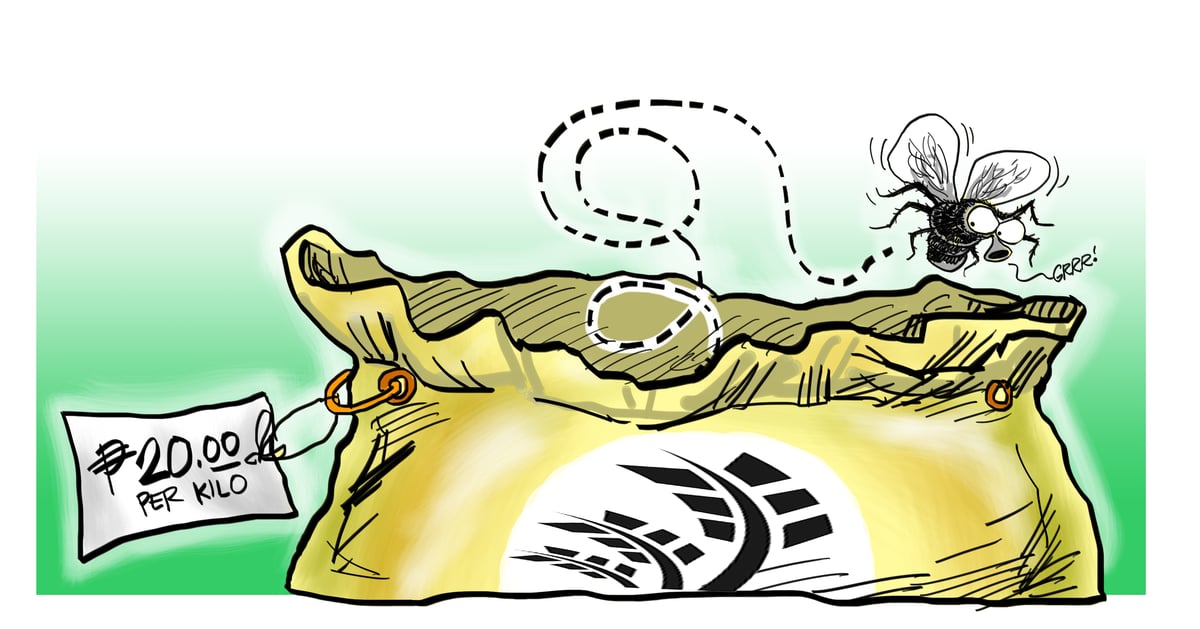
Detractors of the administration have indicated that the inability of President Ferdinand Marcos Jr. to hit his vow of P20 per kilo rice reflects its overall failure to meet voters’ expectations. It is against this backdrop that Agriculture Secretary Francisco P. Tiu Laurel Jr. said the P20 per kilo rice remains a work in progress and the prospect of at least approximating the fighting target remains bright.
The slow but sure steps to reduce the price of the grain are having an impact on inflation which has moderated in the past few months. The price of rice is a key element of the inflation basket and a moderate price of the grain evens out an upsurge in other commodities.
Rice inflation eased to 5.1 percent in November, down from 9.6 percent in October, but vegetable prices had an upswing due to the effect of the series of typhoons and pork prices rose due to the lingering effects of the African swine fever.
Tiu Laurel said recent indicators highlighted the positive impact of lower rice cost on the lives of poor Filipinos. Thus far, the DA has managed to pull down the price to P40 per kilo, with a projection from Tiu the price would slide to P36 to P38 per kilo early next year. The agency recently unpacked the Rice-for-All program in several public markets across Metro Manila.
The drive is part of the Kadiwa ng Pangulo program. Tiu Laurel said the low-cost rice would be of “unlimited quantity” and the priority will be the poor communities. The massive release of rice at reduced prices will have a ripple effect in lowering retail prices of other commodities. The moderating prices will be supported by a decrease in global inflation and significant tariff reductions.
President Marcos had ordered the duty on imported rice lowered to 15 percent from 35 percent in July to douse inflation which was threatening to breach government limits.
Lowering prices, in the grand scheme, would mean an opportunity for the monetary authorities to ease policy rates that, in turn, would drive investments and generate jobs.
A beneficial cycle is thus created in the economy, according to the DA chief. “If international rice prices continue to ease, the peso remains stable, and tariffs stay low, we would most likely see the price of well-milled rice decline further in the coming months,” Tiu Laurel said.
Throughout next year the goal is to hit P29 per kilo which is probable if the government and the farmers put their minds to it.
Tiu Laurel said President Marcos had plunked down an additional P5 billion to support the Rice-for-All scheme. Lower rice prices would have a profound effect on improving the health and livelihood of the bottom 30 percent of Filipino households, who allocate most of their income to food.
For every P100 that they spend, poor families allocate about P18 to rice, twice the amount spent by an average Filipino family. Inflation for lower-income households slowed to 2.9 percent in November, down from 3.4 percent in October and 4.9 percent in November 2023.
If not for the string of typhoons that recently hit most parts of the nation, the price data would have been a lot better, which is unfortunate since with the changing weather patterns, such economic disruptions can’t be avoided.
The laser focus of the Marcos administration on pulling down the price of rice has the underlying philosophy that other economic benefits will flow to most Filipinos. The P20 per kilo rice is a rallying cry in the war against poverty which, slowly but surely, is being won.
Housing is probably the biggest issue affecting people the world over.
Malacañang on Monday called for a more thorough investigation into the questioned flood control projects in Taguig…
The defense on Monday backed the move by senator-judges to exclude a prosecution witness who testified on the firearms…
