
Till the next disaster
“The previous administration had a quicker response record which many attributed to the retired generals that former President Rodrigo Duterte placed in strategic posts.
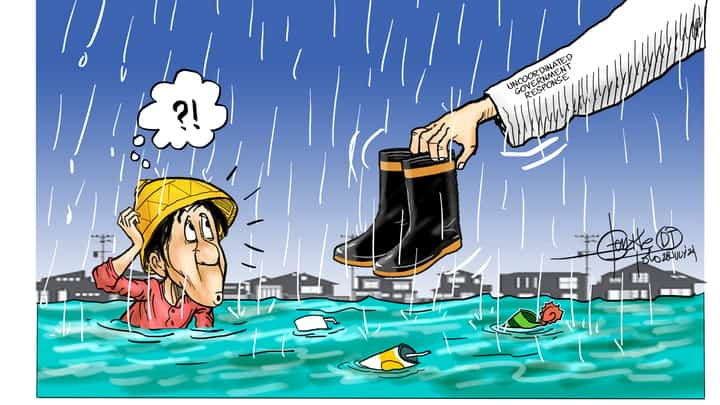
The government’s immediate response to the first weather challenge to the Marcos administration left much to be desired in terms of evacuating flood victims and distributing relief provisions.
The lack of coordination was very evident as shown by the bus riders in a Manila street who were frantically calling for assistance on their social media accounts but received no help and had to fend for themselves until the floodwaters receded.
The incident happened on a street right in the capital city which begs the question of the quick reaction capabilities in the rest of the country as the effects of the super typhoon and southwest monsoon were felt practically throughout the nation.
Typhoon Carina’s backlash may have even been worsened by the panicked reactions of some officials.
President Ferdinand Marcos Jr. said miscommunication between dam operators and local government units on the release of water worsened the effects of the record downpour on Metro Manila.
The President hinted that protocols on the release of dam water were not followed as he admonished the dam operators and local government units during a post-typhoon Cabinet meeting.
“We have a weakness there in communication: when opening the dam and when it overflows, the downstream communities need to know,” Marcos said. “You give them as much as, say, three hours, maybe that’s enough, four hours.”
The failure in coordination extended to the distribution of food and basic needs to the evacuees as some starved the whole day after obviously hastily prepared packs were delivered after most of the flood victims had left the evacuation centers.
The lack of disaster response experience exasperated Marcos as the Chief Executive in the situation briefing as did the useless data presented to him.
“Can we focus on what the situation is now?” the President had to frequently remind the officials around him.
The meeting took place hours after the typhoon ravaged Metro Manila but many areas still had not reported, which Marcos pointed out was important to determine where to send resources and rescuers.
The previous administration had a quicker response record which many attributed to the retired generals that former President Rodrigo Duterte placed in strategic posts.
Former security forces brass in the Cabinet then included Defense Secretary Delfin Lorenzana, Interior Secretary Eduardo Año, Peace Process Adviser Carlito Galvez, Environment Secretary Roy Cimatu, National Security Adviser Hermogenes Esperon Jr., Information and Communications Technology Secretary Gregorio Honasan, Social Welfare Secretary Rolando Bautista, Customs Commissioner Rey Leonardo Guerrero, and Technical Education and Skills Development Authority Director General Isidro Lapeña.
Some of them were retained in the Marcos Cabinet but the predominant choices to run the sensitive government post were former elected officials.
The generals contributed discipline and injected the military system into calamity response.
At least 34 persons have been confirmed to have died due to the rains and flooding and the number could still rise as reports from far-off provinces arrive.
Zero casualty was the goal in the generals-dominated Cabinet of the past which was the target that guided the actions of all government responders.
It worked then and it should work now.