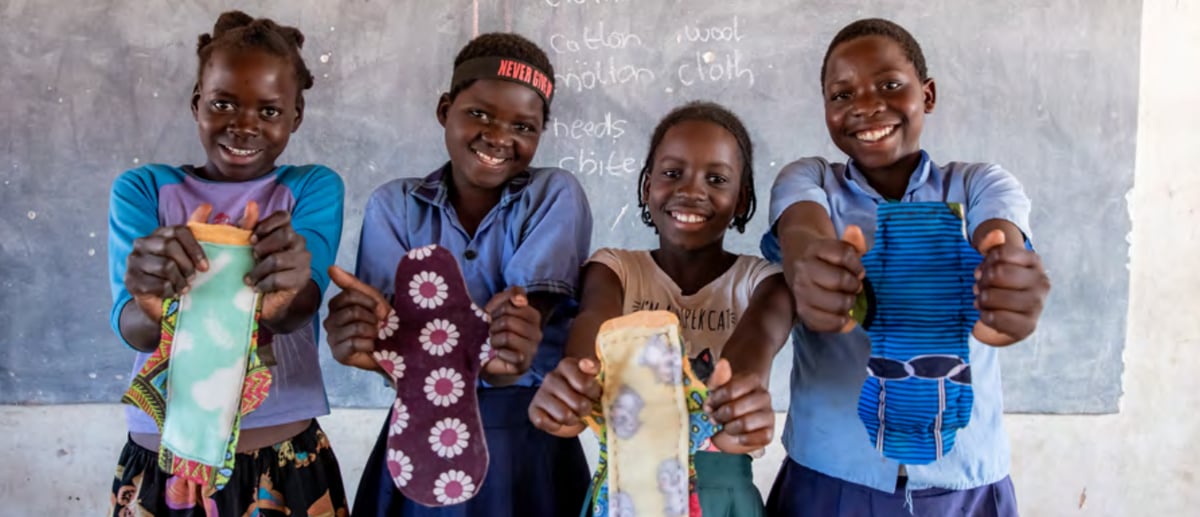
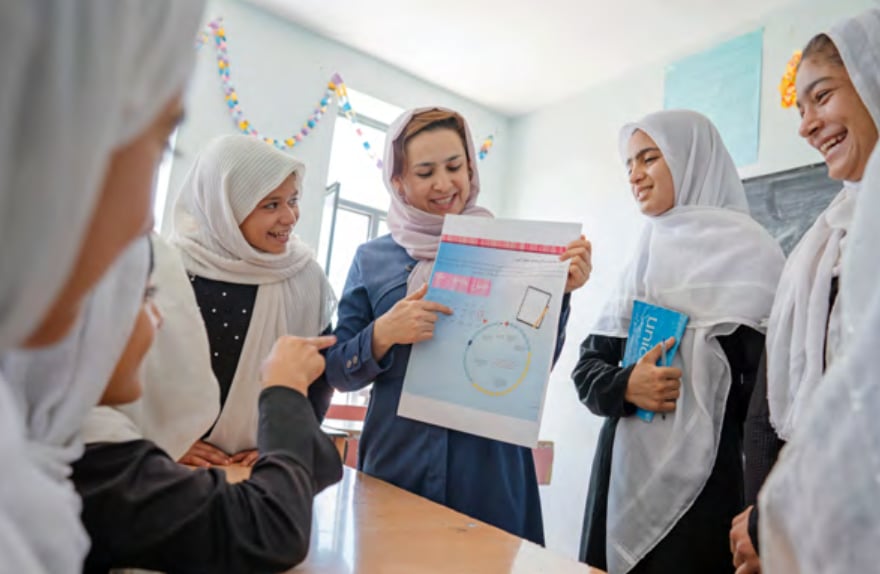
Ten key facts from the report:
Worldwide, only two out of five schools (or 39 percent) provide menstrual health education. Less than one in three schools (or 31 percent) globally have bins for menstrual waste in girls’ toilets.
Menstrual products are not always readily available, with many unable to afford them.
In many countries, adolescent school girls do not have access to a clean toilet or other dedicated private space to change menstrual products in school.
Unequal access to water and soap is an additional issue for millions of adolescent school girls. Girls in urban areas, private schools and girls-only schools are more likely to have access to a private place with water and soap, highlighting inequalities even within the same country.
Millions around the world are unaware or unprepared for menstruation before having their first period.
Studies show that stigma related to menstruation remains widespread, with adolescents often feeling ashamed or unable to openly discuss the topic. This shame can affect their mental health and school attendance.
No national datasets have been identified on how many teachers are trained to teach about menstrual hygiene, indicating a significant gap in educational support. Teachers play a crucial role in providing accurate information and creating a supportive environment, but without proper training they are ill-equipped to address students’ needs.
Only 30 countries have relevant data tracking at least one of the globally recommended priority indicators. This lack of data hampers efforts to understand and address the issues comprehensively.
While countries such as Zambia and the Philippines have shown marked improvements in making menstrual products and services available in schools, more needs to be done. Change is possible with targeted policies and investments.
The report underscores the urgent need for global action to improve menstrual health and hygiene in schools. By addressing these issues, every school girl can manage her menstruation with dignity, safety and confidence.
In the Philippines, UNICEF is calling for more data and evidence on menstrual health to understand the realities of adolescent girls, increasing engagement of the government and the private sector, making manufacturers accountable for plastic materials recovery in sanitary pads, promoting alternative, affordable and environmentally sustainable menstrual materials and building the capacity of teachers for creative and interactive approaches to learning delivery on menstrual hygiene.
One of the key interventions from the Philippines is the Oky Philippines app, the world’s first menstruation education and period tracker app co-created by UNICEF with girls for girls. The app, supported by the Australian government, is a joint product of the Departments of Education and Health, POPCOM, NYC and UNICEF Philippines, in partnership with Plan International.