 Daily Tribune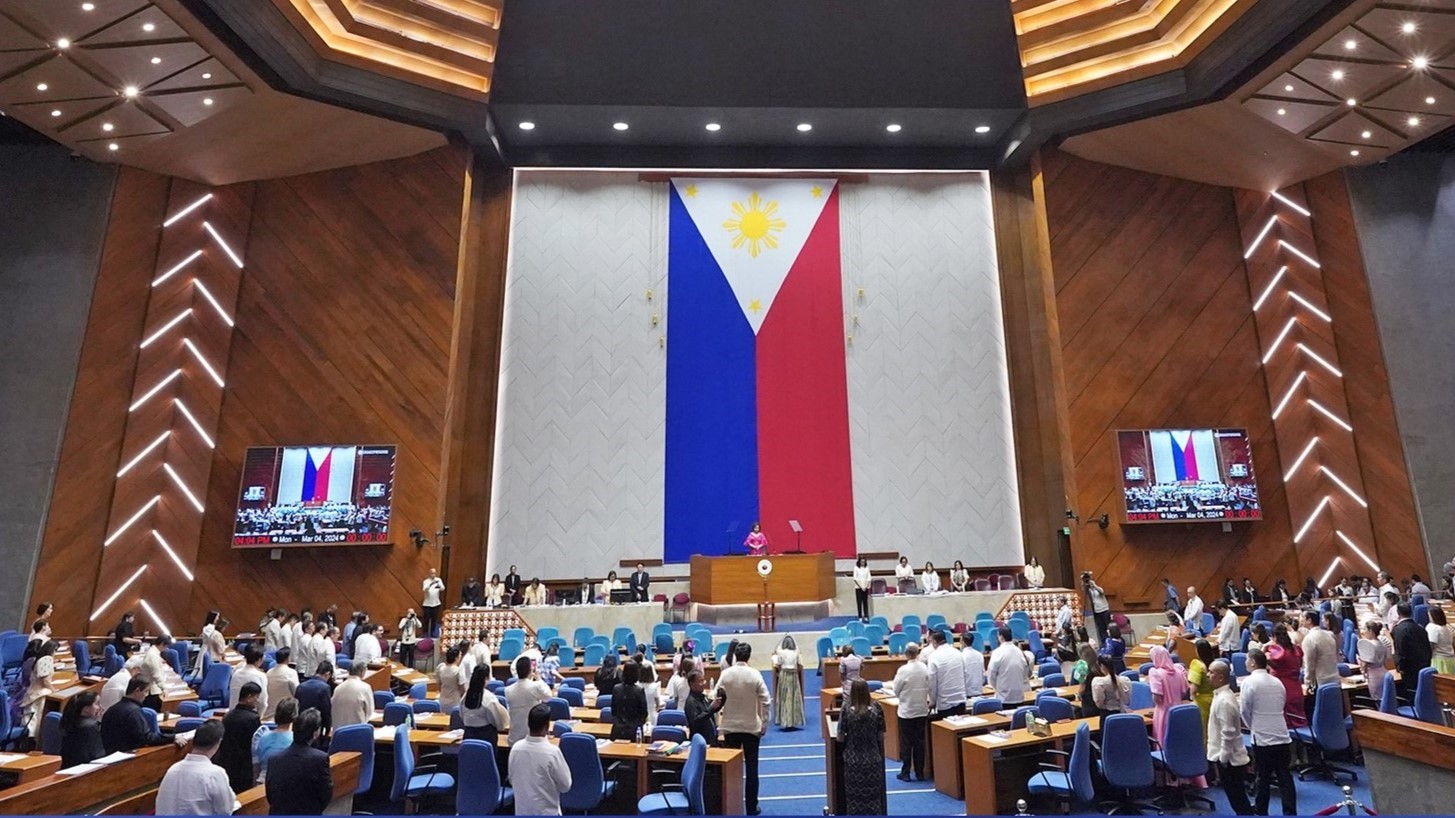
(Photo from House of Representatives / Facebook)
The House of Representatives on Wednesday approved the Resolution of Both Houses No. 7, which seeks to amend certain economic provisions of the 1987 Constitution, on third and final reading.
With 288 affirmative votes, eight negative votes, and two abstentions, lawmakers at the lower chamber delivered their promise to pass the measure which was tagged as the economic Charter change before the Holy Week break next week.
Congress is set to take a break from 23 March until 28 April.
The lower chamber passed the RBH 7, which is described to be similar to the Senate’s Resolution of Both Houses No. 6.
RBH 7 and RBH 6 contain similar provisions, with one exception: the Senate’s resolution stated that the amendments would become effective upon a three-fourths vote of its members, with votes cast separately in each body.
The House’s version, however, did not specify whether the voting for the proposed amendments would be done in a joint or separate session.
The amendment proposals are contained in RBH 7 authored principally by Speaker Ferdinand Martin G. Romualdez, Senior Deputy Speaker and Pampanga 3rd District Rep. Aurelio Gonzales Jr., Deputy Speaker and Quezon Rep. David Suarez, Majority Leader Manuel Jose Dalipe, Senior Deputy Majority Leader and Ilocos Norte Rep. Ferdinand Alexander Marcos, and other House leaders.
Romualdez reiterated that the proposed economic amendments to the Constitution are the “last piece in the puzzle of investment measures” the administration of President Ferdinand Marcos Jr. has been taking “to sustain our economic growth, create more job and income opportunities, and in general, make life better for Filipinos.”
“These changes, if ratified by our people in a plebiscite, will greatly boost these measures, including our President’s investment missions abroad which have generated actual investments and pledges in the billions of dollars and created thousands of jobs,” he said.
He noted that the approval by Congress and by the people of the proposed amendments “will send a powerful message to foreign investors and the international community that the Philippines is now fully open for business and for investments.
He also said that as pointed out by numerous resource persons during the Committee of the Whole House deliberations, the proposed amendment “are necessary but not enough” to attract foreign direct investments.
“We heard the wise counsel and suggestions of the resource persons and experts we invited to our hearings. We assure the business community and our people that we are working on the other factors that affect investments, like ease of doing business, the high cost of electricity, infrastructure, and similar issues,” he stressed.
Romualdez said that he is hoping that their counterparts in the Senate would also pass its version of the measure soon.
The RBH 6, which was authored by Senate President Juan Miguel “Migz” Zubiri, Senate President Pro Tempore Loren Legarda, and Senator Juan Edgardo “Sonny” Angara, is still pending at the special subcommittee level.
According to Angara, who chairs the Senate Subcommittee on Constitutional Amendments and Revision of Codes, the upper chamber may conclude its discussion on RBH 6 by October at the latest.


