




Marcos rejects ICC probe on drug war killings

Text size
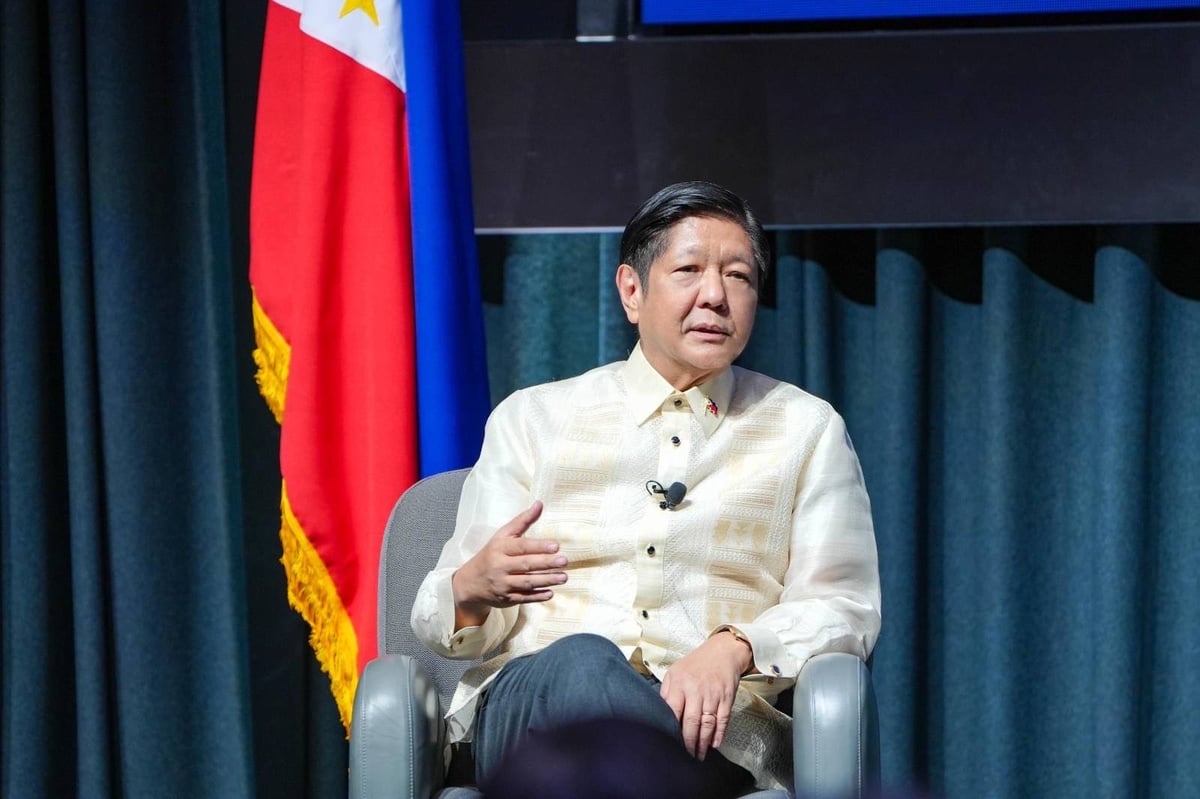
MELBOURNE — President Ferdinand Marcos Jr. said that inviting the International Criminal Court (ICC) to the Philippines is just a political maneuver that encroaches upon the country's sovereignty.
In a media interview with foreign media delegates recently, Marcos Jr. defended the government's decision not to invite the ICC to investigate the alleged extrajudicial killings during former President Duterte's war on drugs.
"That would be a political move and what we are, we do not play politics with jurisdiction and sovereignty,'' Marcos Jr. said.
Marcos Jr. also reiterated his administration's position of non-recognition of the ICC's jurisdiction to the Philippines, saying that it is a threat to sovereignty.
The Chief Executive also emphasized that the ICC's mandate was designed for regions lacking a robust judiciary and law enforcement, which he believes does not apply to the Philippines.
Pressed on the issue of justice for the thousands who lost their lives during Duterte's war on drugs, Marcos Jr. pointed to the existing institutions within the Philippines.
"We have a functioning police force. We have a functioning judiciary, and it is their responsibility to take care of that," Marcos Jr. said.
Marcos Jr. also said that many police officers had been removed from service and jailed for their actions. However, he acknowledged the need to address grievances.
"We try to now go back to the families of those and see but perhaps, see what we can do to make things right for them," Marcos Jr. said.
Responding to concerns about the methods employed in the war on drugs, particularly the extrajudicial killings, Marcos Jr. stressed a distinction between drug addicts and traffickers.
"An addict, you take them to the hospital, you take them to rehab," he said, denouncing any notion of summary executions.
The court initiated a formal investigation into potential crimes against humanity perpetrated during the tenure of Marcos's predecessor, Rodrigo Duterte, in 2021.
Approximately 6,000 individuals in the Philippines fell victim to Duterte's anti-drug campaign during his six-year presidency, which concluded in 2022.
However, certain human rights organizations claimed that the actual death toll could soar as high as 30,000, encompassing executions carried out by vigilante groups purportedly in collaboration with law enforcement, as activists claim.
Initially, the ICC ceased its investigation after Manila declared its own inquiry into the matter. Nonetheless, the court resumed its investigation the following year, expressing dissatisfaction with the progress of the Philippines' inquiry. Despite Manila's plea to reverse the decision, the court rejected the appeal.
In 2019, Duterte withdrew the Philippines from the ICC after the court initiated a preliminary examination into his anti-drug campaign.
Housing is probably the biggest issue affecting people the world over.
Malacañang on Monday called for a more thorough investigation into the questioned flood control projects in Taguig…
The defense on Monday backed the move by senator-judges to exclude a prosecution witness who testified on the firearms…
