 Daily Tribune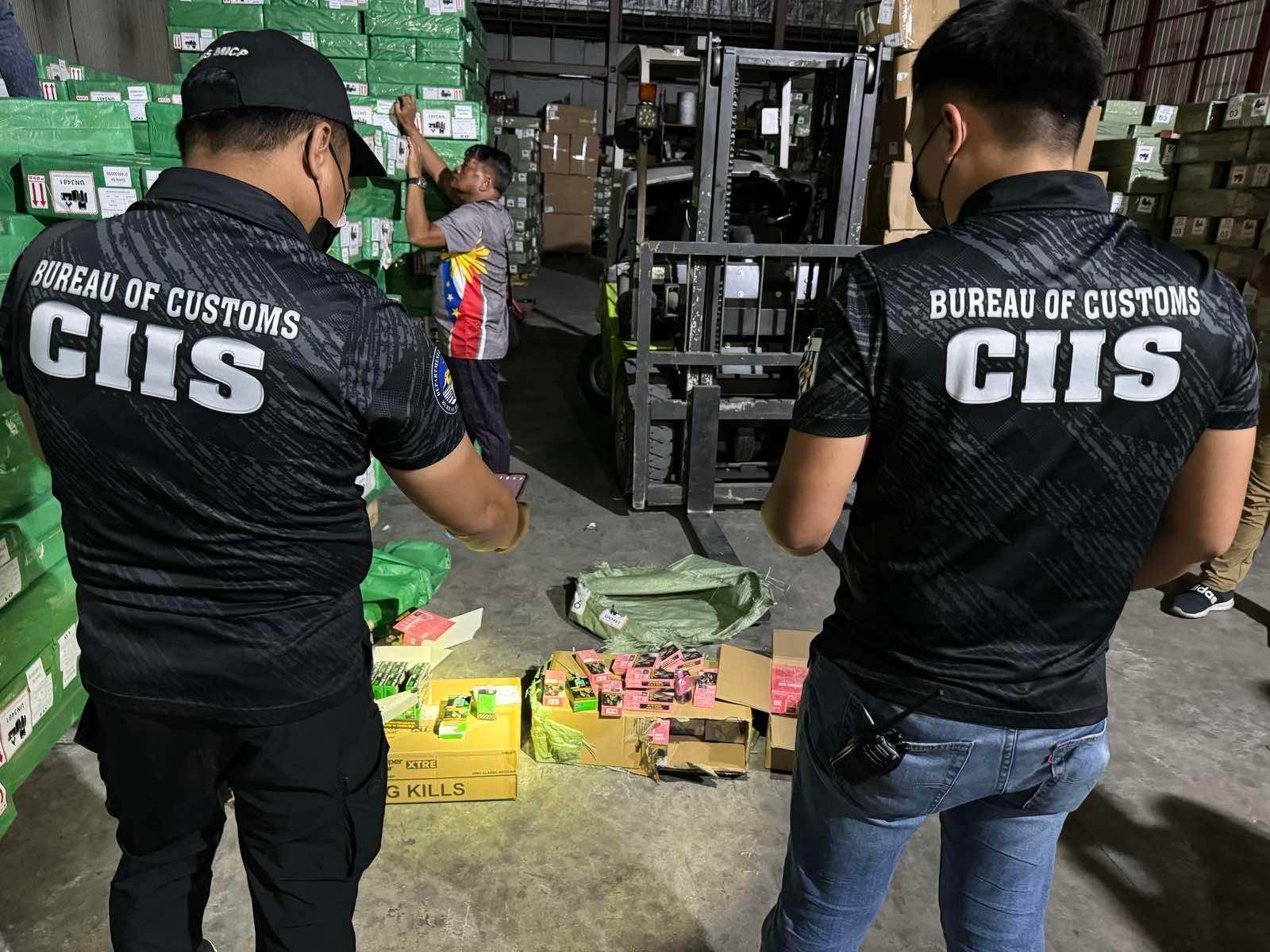
(Contributed photo)
With the government’s effort to curb the proliferation of uncertified vape products that can be harmful to citizens, particularly the youth, the Bureau of Customs- Customs Intelligence and Investigation Service on Thursday busted P3.77 billion worth of smuggled e-cigarettes or vapes from China.
In its report, BOC-CIIS Director Verne Enciso detailed that the warehouse located in Olivares Compound, San Dionisio, Parañaque City was found with an estimated 1.5 million pieces of the Flava brand e-cigarettes in assorted flavors.
“To be more precise, there were around 15,000 boxes of vapes, with 100 pieces per box. That is a total of 1.5 million pieces of vapes. The current market value is P500 per piece, so that is a total of P750 million. Add to that the excise tax that should be collected, and the total estimated sum-up value would be P1.53 billion,” he said.
Enciso said the excise tax is worth P520 per 10ML or one piece, so the government should have collected around P780 million from the 1.5 million pieces of smuggled vapes.
He clarified that this was only from one of the warehouses in Parañaque City. Other warehouses are still being examined.
The BOC-CIIS also has an ongoing inspection of some warehouses located in Superb Catch Inc., Compound 46, Hernandez St., Barangay Catmon, Malabon City.
One warehouse yielded more or less 19,800 boxes, with 100 pieces of vapes per box, during an initial inventory, according to Enciso.
At P550 each, the 1.98 million pieces of vape have a total market value of P1.089 billion. In addition, P520 worth of excise tax per item should have been collected for a total of P1,029,600,000.
The market value and the excise tax of the smuggled vape products totaled P2,118,600,000.
The team also found a temporary unplugged cold storage unit being used as a storage facility to contain a still undetermined quantity of vape products.
Further, they also saw a wing van truck unloading stocks of vape products during the inspection.
“Our team today scores a win against these smugglers. There’s a huge popularity of e-cigarettes or vapes among Filipinos, especially the younger generations, these days, so we are here to make sure they only get access to the safest products in the market,” Deputy Commissioner Juvymax Uy for Intelligence Group stated.
Meanwhile, Trade Secretary Alfredo Pascual directed his officials to assess the Department’s preparedness in implementing the Vape Law and to identify any equipment needed for testing in its heightened enforcement operations against illegal vape products.
“It is essential to have well-maintained machinery, up-to-date methodologies, and an efficient laboratory management system to bring vapor products into the market with greater confidence in their safety and performance,” Secretary Pascual emphasized.
On 22 February 2024, the DTI’s Consumer Protection Group, led by Assistant Secretary Amanda Nograles inspected existing vape testing facilities in the Bureau of Philippine Standards laboratory in Cavite. This inspection evaluated the testing protocols for vapor products and related accessories, including dry cells and secondary batteries. The team also conducted assessments of various laboratory instruments ensuring the integrity and efficacy of the testing process.
Currently, budgetary constraints prevent the testing facilities from covering heated tobacco product consumables, e-liquids for vapor products, and nicotine pouches. The House Committee on Ways and Means has instructed the DTI and the DBM to secure additional funding in the National Expenditure Program to expand the DTI’s testing capabilities.


