 Daily Tribune
Fifty-three percent of breast cancers in the Philippines are diagnosed in Stages 3 and 4, a significant increase from the global average of 37 percent
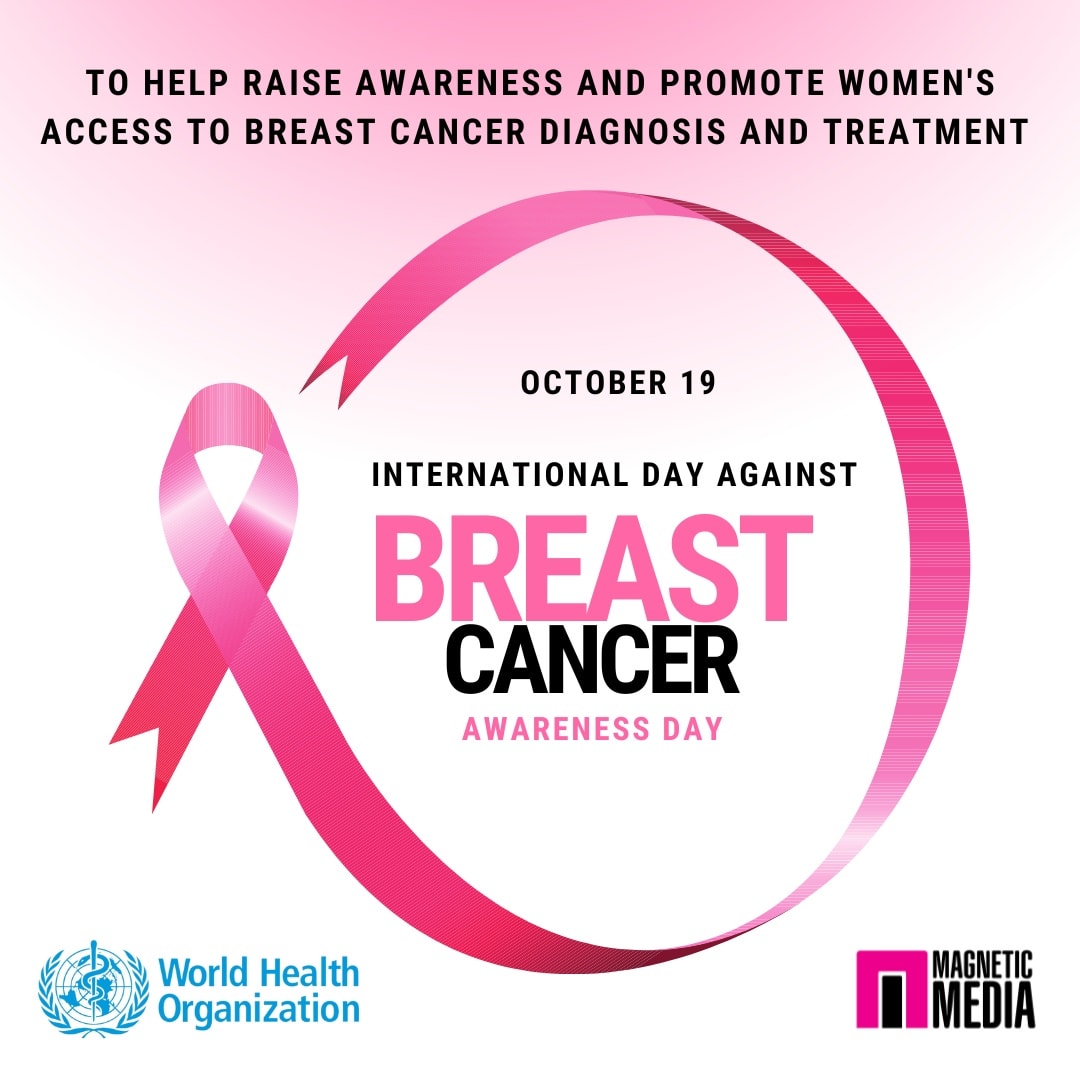
The World Health Organization has declared 19 October as International Day against Breast Cancer to raise awareness and promote women's access to timely and effective controls, diagnoses and treatments.
In Eastern Visayas, breast cancer is a major health concern, with majority of patients diagnosed in the late stage. This is often due to lack of awareness and access to early detection and treatment services.
One such patient is Mano Nestor's wife, who was diagnosed with advanced-stage breast cancer in 2014. Despite their best efforts, she passed away in 2016.
Mano Nestor's story is not uncommon.
According to Kara Magsanoc-Alikpala, founding president of ICanServe Foundation, an advocacy and support group for women with breast cancer, 53 percent of breast cancers in the Philippines are diagnosed in Stages 3 and 4. This is a significant increase from the global average of 37 percent.
Only 2 to 3 percent of cases are diagnosed in Stage 1 of the most common type of cancer in women in the country, with an incidence rate of 17.6 percent, accounting for 15 percent of all new cancer cases and 8 percent of all cancer deaths.
There are a number of factors that contribute to the high prevalence of late-stage breast cancer in Eastern Visayas. One factor is poverty. Many women in the region cannot afford to pay for regular medical checkups or cancer screening tests.
Another factor is a lack of awareness. Many women are not aware of the signs and symptoms of breast cancer, and they may not seek medical help until the disease is already advanced.
Finally, there is a lack of access to early detection and treatment services in many parts of Eastern Visayas. Women in rural areas may have to travel long distances to reach a hospital or clinic that can provide these services.
Despite the challenges, there is hope for women with breast cancer in Eastern Visayas. New advancements in treatment offer women a greater chance than ever before to live healthy and fulfilling lives with improved survival rates.
"Breast cancer is not a death sentence," says Alikpala, who herself was diagnosed with breast cancer 26 years ago.
However, better survival rates can only be achieved if patients are diagnosed in the early stage. This is why it is so important to raise awareness about breast cancer and promote early detection and treatment.
College instructor Aurora Casimpan, a survivor of Stage 3 breast cancer, said mothers from poor families have the tendency to worry about their family's economic condition first above their own personal health.
"They worry more about the food to put on the table than going to a clinic to have themselves checked," she said.
"Family survival comes first before their own personal survival. So in many cases they are seen late by the doctor and the cancer cells have already metastasized. They would only go to a doctor if the pain is already persistent. So how can they be treated?" she lamented.
Casimpan is the president of Circle of Hope, a support group for women with breast cancer whose members are all cancer survivors. Every year, the members meet during Christmas break to renew ties and update each other. (To be continued)


