




Suspended reclamation Manila Bay projects amount to lost P432B tax revenue—Salceda
Text size
The prolonged suspension of various reclamation projects in Manila Bay may see the national government losing tax revenues up to P432 billion.
This is according to Albay Rep. Joey Salceda, the chairman of the House committee on ways and means, in an ambush interview on Monday following his panel's deliberation on the revenue and economic implications of suspension of reclamation projects approved by the Philippine Reclamation Authority.
"The government is losing a lot because of the suspension. Our estimate is within five years because most of that is a one-time transaction, right? That loss has already reached P432 billion, especially those who have already started," Salceda told reporters.
During the deliberations, the economist-lawmaker stressed the importance of reclamation, which he deemed "standard practice" among the world's largest and most thriving cities.
Specifically, Salceda cited Tokyo, which 20 percent of its bay has been reclaimed to meet the growing needs of the Tokyo Metropolitan Area while Singapore has reclaimed approximately 22 percent of its land area, with one-third of the reclaimed land being allocated for socialized housing initiatives.
Furthermore, he said that 25 percent of developed land in Hong Kong has been reclaimed, with 27 percent of the people residing in the area and 70 percent being used for economic enterprises.
"Reclamation is inevitable when developing large metropolitan cities bound by the sea, and Metro Manila is now the world's most densely populated megacity," he said.
A key proponent of using reclamation development rights as a revenue-generating measure, he stressed how reclamation projects would impact immense economic opportunities and, hence, provide avenues for expanding fiscal space.
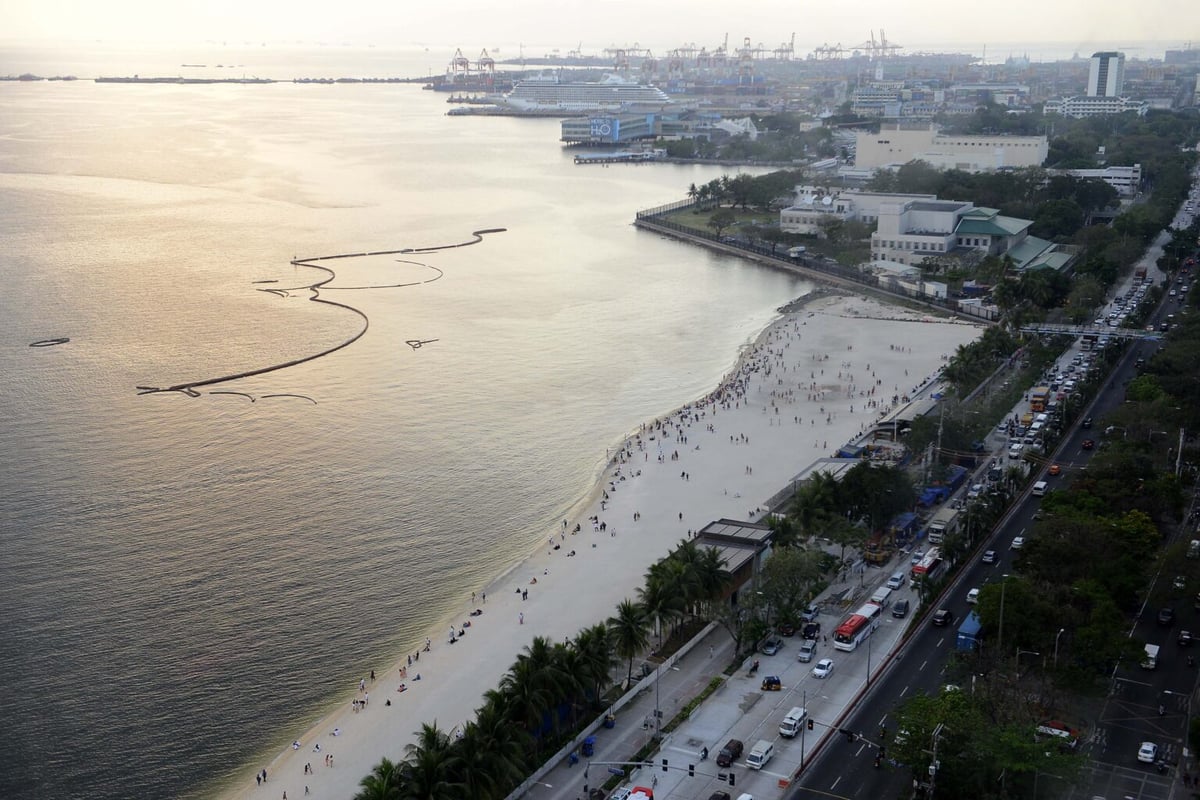
Back in August, President Ferdinand Marcos Jr. ordered the temporary halt of 22 reclamation projects in Manila Bay to assess the environmental and social consequences, citing several issues in the projects' implementation.
According to the Department of Environment and Natural Resources, only three out of 22 projects that have been suspended are presently being executed.
The PRA earlier defended the reclamation projects, claiming that they meet the statutory requirements and that the projects underwent "meticulous environmental evaluations."
PRA assistant general manager Joseph John Literal bared before Salceda's panel that the reclamation projects are anticipated to generate over P24 trillion in investments, of which P23 trillion will come from direct investments on the vertical development side and P1.95 trillion from vertical development for horizontal development.
Salceda expressed regret about the substantial revenue the government could generate and proposed the possibility of granting permission on the condition that the projects are completed within a five-year timeframe.
"Sayang ito… We can align this to socialized housing," he said.
Housing is probably the biggest issue affecting people the world over.
Malacañang on Monday called for a more thorough investigation into the questioned flood control projects in Taguig…
The defense on Monday backed the move by senator-judges to exclude a prosecution witness who testified on the firearms…
